Aerospace Materials Partnership
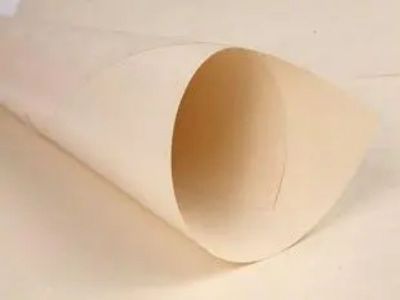
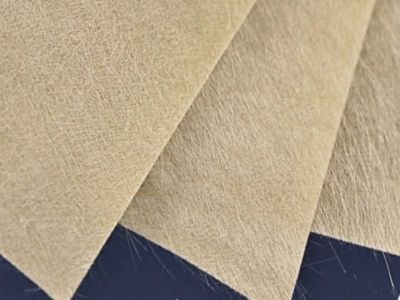
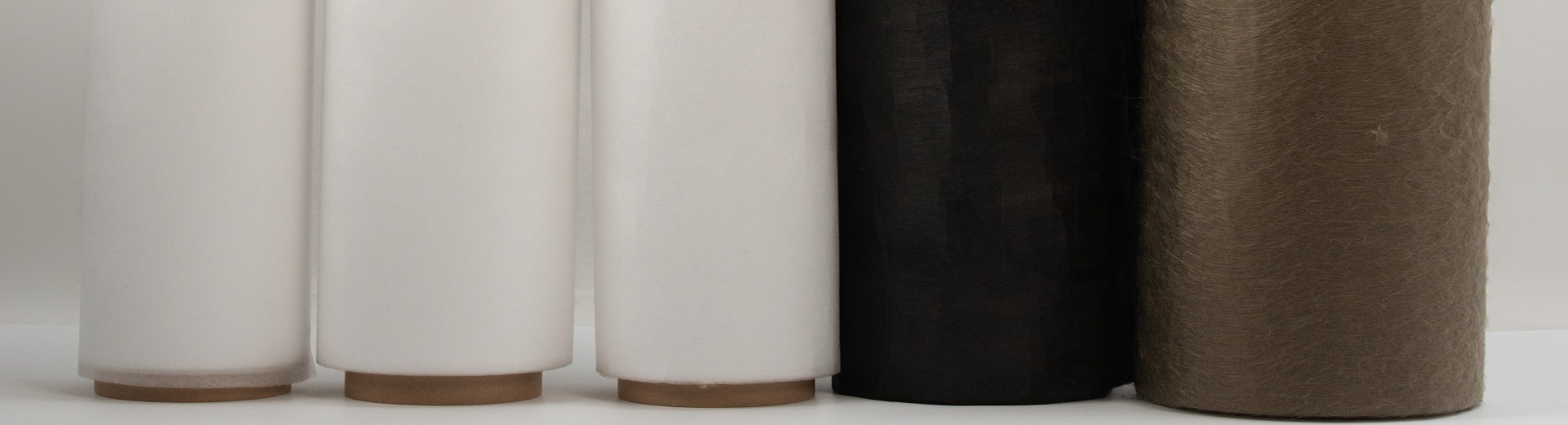
Our company entered into a strategic alliance with a leading aerospace entity to supply advanced materials for their aviation manufacturing needs. Our high-grade Carbon Fiber Veil became a critical component in reinforcing their fleet of next-generation aircraft, enhancing both performance and safety.

Physicochemical Properties
The "K" designation refers to the number of individual filaments contained within a single carbon fiber tow. Generally, carbon fibers are named based on the ratio of the filament count to 1,000; thus, "1K" signifies a tow containing 1,000 filaments. Currently, within the carbon fiber industry, tows with a filament count of ≥48K are typically classified as "large-tow" carbon fibers, whereas tows with counts of 1K, 3K, 6K, 12K, and 24K are classified as "small-tow" carbon fibers.
Basic Physical and Mechanical Properties
The density of carbon fiber is less than one-quarter that of steel, yet its strength is 7 to 9 times greater than steel, and it possesses excellent corrosion resistance. Currently, large-tow carbon fibers can achieve a tensile strength of 3.5–5.0 GPa and a tensile modulus of 230–290 GPa.
Performance Comparison: Large vs. Small Tows
Compared to large-tow carbon fibers, small-tow carbon fibers generally exhibit superior mechanical properties, though they come at a relatively higher cost. Large-tow carbon fibers offer a high cost-performance ratio, with certain performance metrics now approaching or even surpassing those of small-tow fibers.
However, the stability of large-tow carbon fibers is generally inferior to that of small-tow fibers; specifically, the interfacial shear strength between the large-tow fiber and the resin matrix is lower than that of small-tow fibers.
Conversely, small-tow carbon fibers demonstrate superior stability in their geometric parameters and possess higher individual filament strength. Furthermore, large-tow carbon fibers typically feature a higher sizing content, whereas small-tow carbon fibers have a lower sizing content.
According to relevant standards for carbon fibers used in wind turbine blades, the physical property requirements for the yarn specify a density of ≤1.8 g/cm³. The mechanical property requirements stipulate a tensile strength of ≥4000 MPa, a tensile modulus of ≥230 GPa, and an elongation at break of ≥1.4%.
Testing Methods
The testing of carbon fiber yarn involves a systematic assessment of its physical, chemical, and mechanical properties to ensure that the material meets the industrial application requirements of sectors such as aerospace, wind turbine blades, automotive manufacturing, and sports equipment.
Key Testing Parameters
Key testing parameters include tensile strength, elastic modulus, fiber diameter, density, carbon content, twist, elongation at break, thermal stability, surface morphology, and chemical composition.