


- Home
- >
- Products
- >
- Wet Laid Nonwoven
- >
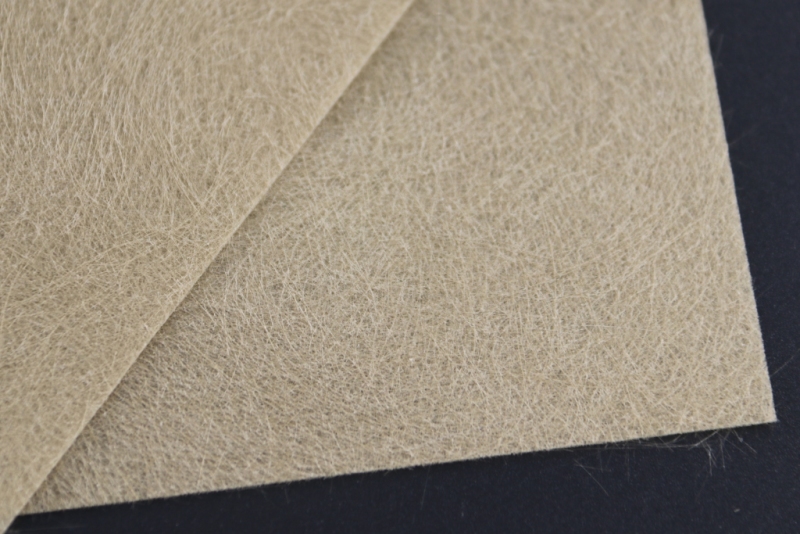
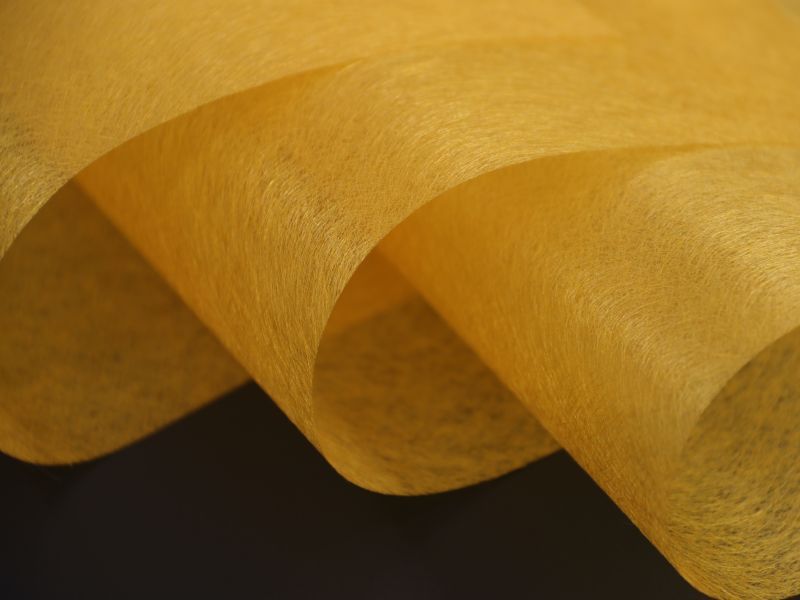
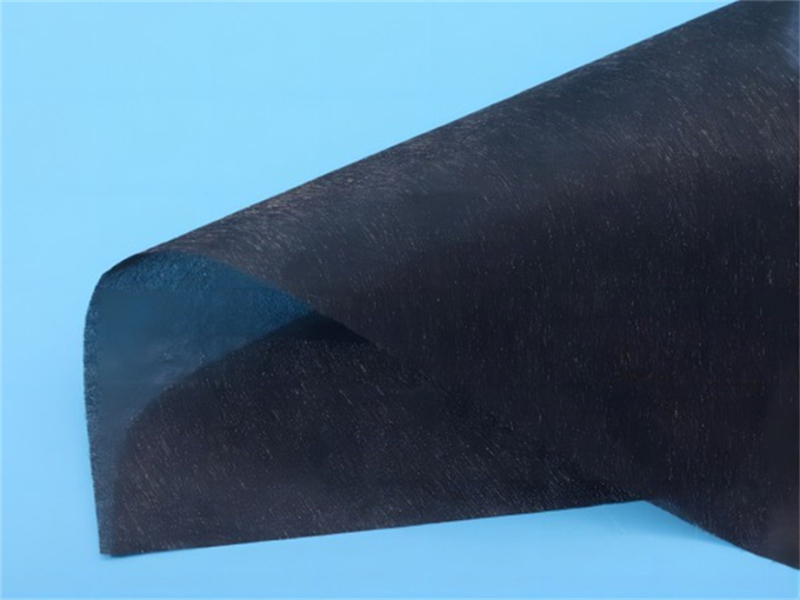
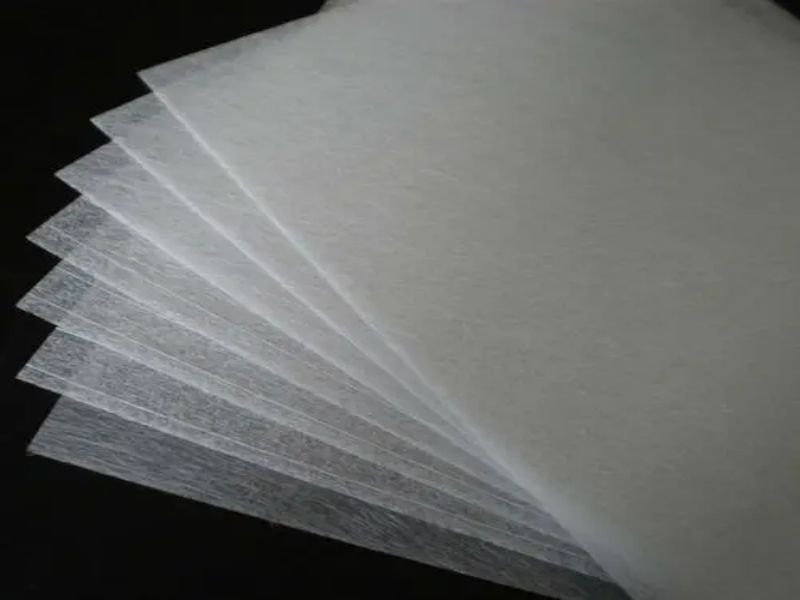
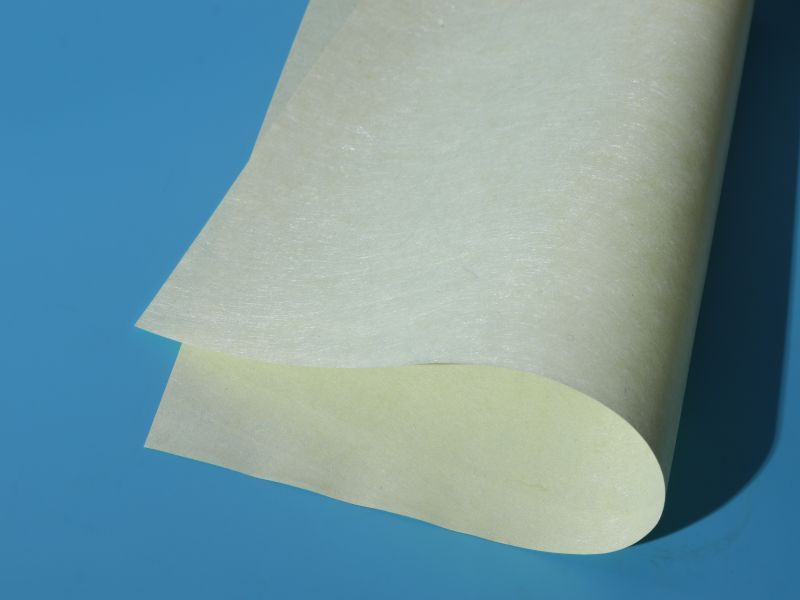
Wet Laid Nonwoven
Leading China manufacturer of premium wet laid nonwoven fabrics. Custom solutions with carbon, polyimide, basalt, aramid, glass & more high-performance fibers. Get a quote today!
As a professional China-based manufacturer and supplier of high-performance wet laid nonwoven fabrics, we specialize in custom-engineered wet laid nonwoven solutions tailored to the most demanding industrial applications. Our full product line features wet laid nonwoven materials fabricated from a comprehensive range of high-performance fibers, including carbon fiber, polyimide fiber, basalt fiber, polyphenylene sulfide (PPS) fiber, aramid fiber, nickel-plated carbon fiber, quartz fiber, glass fiber, and custom blended hybrid fibers, delivering consistent quality and exceptional performance across every batch.
What is Wet Laid Nonwoven?
Wet laid nonwoven (also referred to as wet-laid nonwoven fabric) is an advanced nonwoven manufacturing technology that mirrors the precision papermaking process. In this production process, short-cut high-performance fibers are uniformly dispersed in an aqueous solution to form a stable fiber slurry, which is then dewatered, thermally or chemically bonded, and dried through a fully automated continuous production line to form a homogeneous, dimensionally stable nonwoven sheet.
Unlike dry-laid, spunbond, or meltblown nonwovens, wet laid nonwoven fabrics offer unparalleled fiber uniformity, ultra-thin thickness control, excellent dimensional stability, and precise pore size distribution. This unique production method enables us to process virtually all synthetic, inorganic, and high-performance fibers into high-quality wet laid nonwoven materials, making it the preferred solution for high-precision industrial applications worldwide.
Key Manufacturing Specifications & Capabilities
Core Parameter | Full Customization Range |
Area Weight Range | 4 g/m² to 710 g/m² |
Thickness Range | 0.05 mm to 0.76 mm |
Available Fiber Types | Carbon, Polyimide, Basalt, PPS, Aramid, Nickel-Coated Carbon, Quartz, Glass, Custom Hybrid Blends |
Binder Options | Acrylic, PVA, Epoxy, Co-Polyester, Thermosetting Resins |
Roll Specifications | Custom widths & roll lengths available |
Manufacturing Mode | OEM / Make-to-Order Custom Production |
Our Full Range of Wet Laid Nonwoven Fabrics by Fiber Type
We offer an extensive portfolio of wet laid nonwoven products, each engineered with specific fiber types to meet unique performance requirements across diverse industries. Our complete fiber offerings include:
Carbon Fiber Wet Laid Nonwoven
Our carbon fiber wet laid nonwoven fabrics are manufactured from high-modulus, high-strength PAN-based carbon fibers. These wet laid nonwoven materials deliver exceptional electrical conductivity, thermal stability, lightweight mechanical strength, and corrosion resistance. Available in customizable areal weights and thicknesses, our carbon fiber wet laid nonwoven is widely used in fuel cell gas diffusion layers (GDL), lithium-ion battery electrodes, electromagnetic shielding, thermal management systems, and aerospace composite reinforcement.
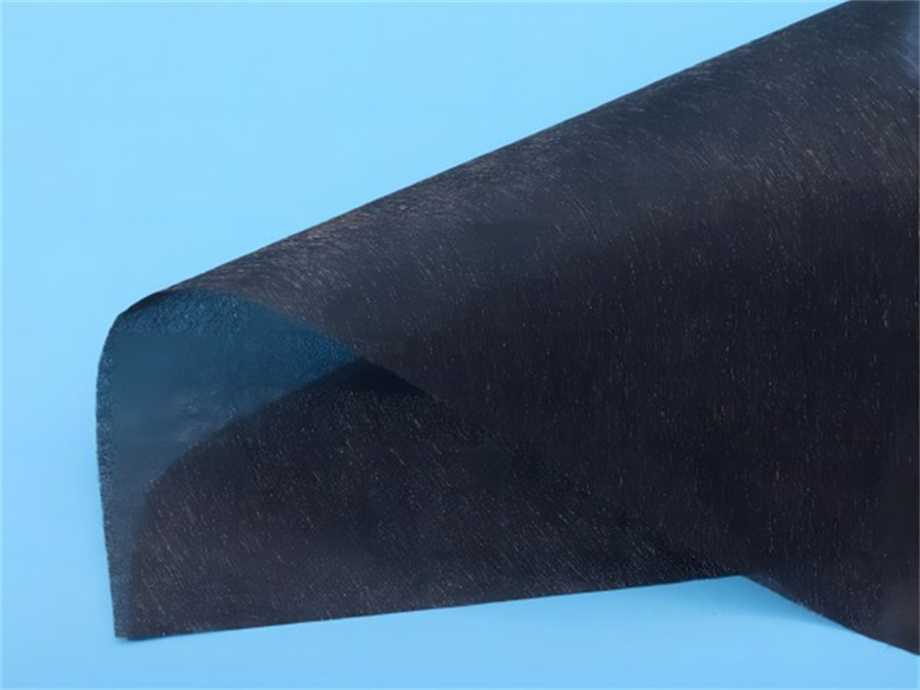
Parameter | Specification |
Fiber Type | PAN-based Carbon Fiber |
Fiber Diameter | 6–7 μm |
Fiber Length | 6 mm |
Area Weight Range | 4–50 g/m² (ultra-lightweight 4 gsm available) |
Thickness Range | 0.05–0.50 mm |
Binder Content | 3–20% (fully customizable) |
Surface Resistivity | ≤3–15 Ω (varies by grade) |
Tensile Strength (MD) | ≥5–40 N/50mm (grade-dependent) |
Key Applications
• EMI shielding and electrostatic protection layers for electronic components
• Antistatic layers for oil/gas pipelines and chemical storage tanks
• Surface optimization and surfacing veil for carbon fiber reinforced plastics (CFRP)
• GDL (Gas Diffusion Layer) base material for fuel cells and lithium-ion batteries
• Wet electrostatic precipitator filtration media
• Electric heating and resistive heating elements
• Hand lay-up, filament winding, resin infusion, and pultrusion composite processes
Polyimide (PI) Fiber Wet Laid Nonwoven
Engineered for extreme high-temperature environments, our polyimide fiber wet laid nonwoven fabrics offer outstanding thermal stability (continuous service temperature up to 300°C), excellent flame retardancy, superior chemical resistance, and exceptional dielectric properties. This wet laid nonwoven material is the ideal choice for high-temperature electrical insulation, aerospace thermal protection systems, electronic packaging, fire-resistant barriers, and high-end semiconductor manufacturing applications.
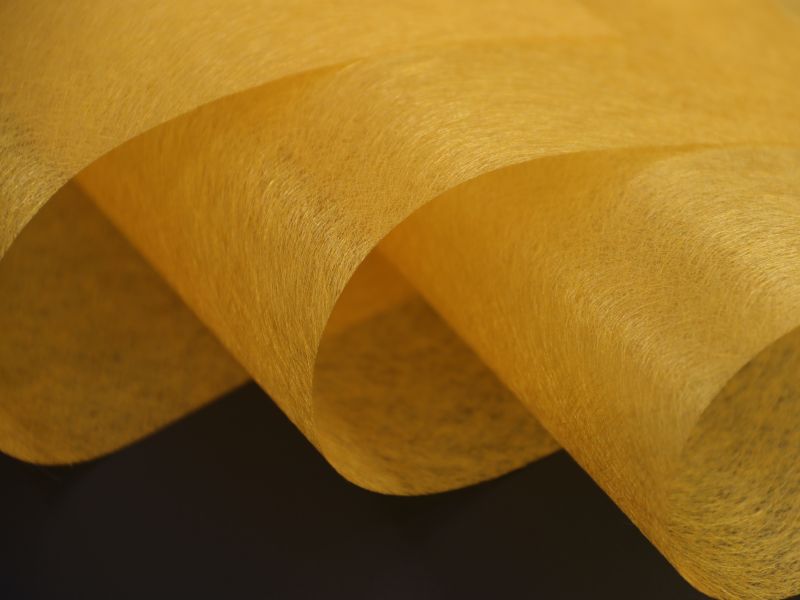
Parameter | Specification |
Fiber Type | Polyimide (PI) Fiber |
Production Process | Wet Laid |
Continuous Operating Temperature | Up to 315°C |
Thermal Stability | Non-melting, retains structural integrity at elevated temperatures |
Flame Retardancy | Self-extinguishing, no melt-drip, LOI 44 |
Chemical Resistance | Excellent resistance to acids, alkalis, and organic solvents |
Dimensional Stability | Superior, minimal shrinkage at high temperatures |
Key Applications
• High-temperature filtration media (hot gas filtration, industrial exhaust)
• Aerospace and automotive thermal insulation components
• Electrical insulation materials for motors and transformers
• Battery separators requiring extreme thermal stability
• Protective apparel linings for fire-resistant clothing
• Sealing and gasket materials for high-temperature service
Basalt Fiber Wet Laid Nonwoven
Our basalt fiber wet laid nonwoven is produced from natural volcanic basalt rock fibers, offering a cost-effective, eco-friendly high-performance alternative to glass and carbon fiber nonwovens. This wet laid nonwoven fabric features excellent thermal insulation, high mechanical strength, outstanding acid and alkali corrosion resistance, and inherent flame retardancy. It is widely applied in building thermal insulation, automotive heat shields, filtration media for harsh environments, and FRP composite reinforcement.
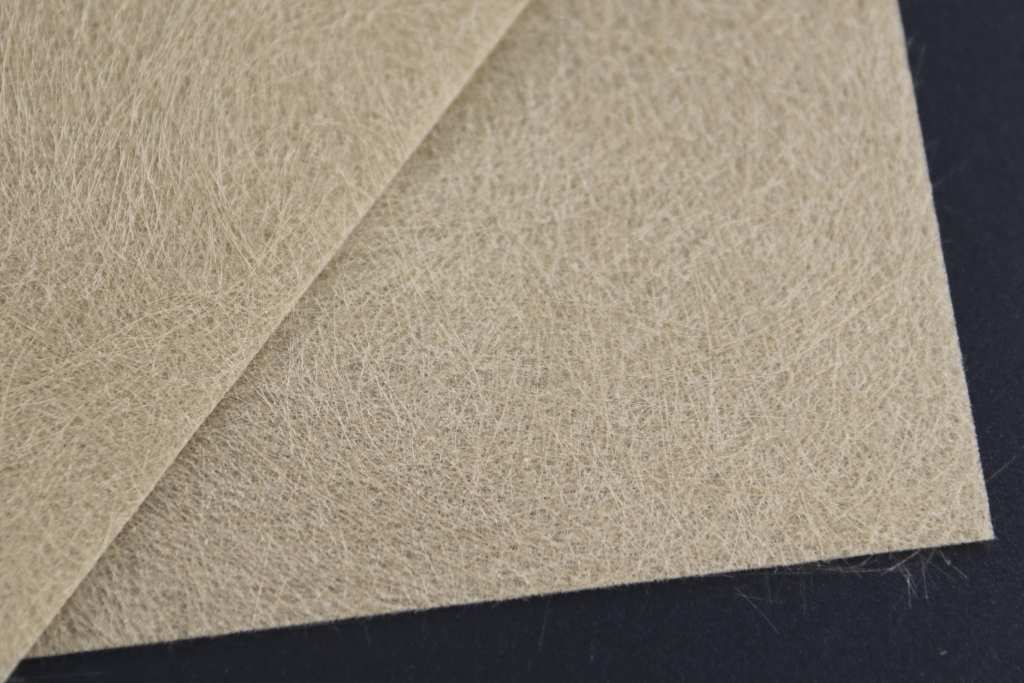
Parameter | Specification |
Fiber Type | Natural Basalt Fiber |
Fiber Length | 6 mm (chopped strand) |
Area Weight Range | 6–105 g/m² |
Standard Width | 1000 mm / 1200 mm (custom widths available) |
Binder Type | Acrylic Acid |
Working Temperature | Optimal up to 200°C; fiber deformation temperature 700°C |
Flame Retardancy | Excellent, low thermal conductivity, ultra-low shrinkage |
Chemical Resistance | Superior acid and alkali resistance |
Electrical Properties | Premium electrical insulation performance |
Key Applications
• Printed Circuit Board (PCB) tissue (75/105 gsm grades)
• Vacuum Insulation Panels (VIP)
• Pipeline anti-corrosion and anti-leakage wrapping layers
• Roofing and waterproofing engineering membranes (30/40/50 gsm)
• Battery separator materials
• High-temperature flue gas filtration (baghouse media, 200–400°C service)
• Building flame retardant and thermal insulation structures
• Aerospace and high-end sporting goods composite reinforcement
Polyphenylene Sulfide (PPS) Fiber Wet Laid Nonwoven
Designed for demanding chemical and high-temperature filtration applications, our PPS fiber wet laid nonwoven fabrics deliver exceptional resistance to acids, alkalis, organic solvents, and oxidizing agents, with a continuous service temperature of up to 190°C. This wet laid nonwoven material offers excellent dimensional stability, inherent flame retardancy, and superior filtration efficiency, making it the top choice for industrial dust collection, coal-fired flue gas filtration, chemical processing filtration, and automotive emission control systems.
Parameter | Specification |
Fiber Type | 100% PPS (Polyphenylene Sulfide) Fiber |
Production Process | Wet Laid |
Melting Point | 280°C |
Maximum Continuous Use Temperature | 200–220°C |
Dry-Heat Areal Shrinkage (180°C) | ≤5% |
Thickness Range | 29–195 μm |
Heat Resistance | Excellent, comparable to PTFE (PFAS) |
Chemical Resistance | Outstanding acid and alkali resistance |
Flame Retardancy | Inherent flame retardant properties |
Key Applications
• High-temperature liquid filtration (chemical processing, electroplating)
• Hot gas and air filtration media
• Industrial filter bag substrates for harsh environments
• Thermal insulation layers for energy and mobility sectors
• Battery separator materials
• Tape substrates and industrial laminates
Aramid Fiber Wet Laid Nonwoven
Our aramid fiber wet laid nonwoven fabrics (including both para-aramid and meta-aramid variants) are engineered for exceptional tensile strength, flame resistance, thermal stability, and cut/abrasion resistance. Para-aramid wet laid nonwoven offers an ultra-high strength-to-weight ratio for ballistic protection, aerospace composites, and high-performance structural reinforcement, while meta-aramid wet laid nonwoven is ideal for fire-resistant protective clothing, electrical insulation, automotive heat shields, and industrial safety applications.
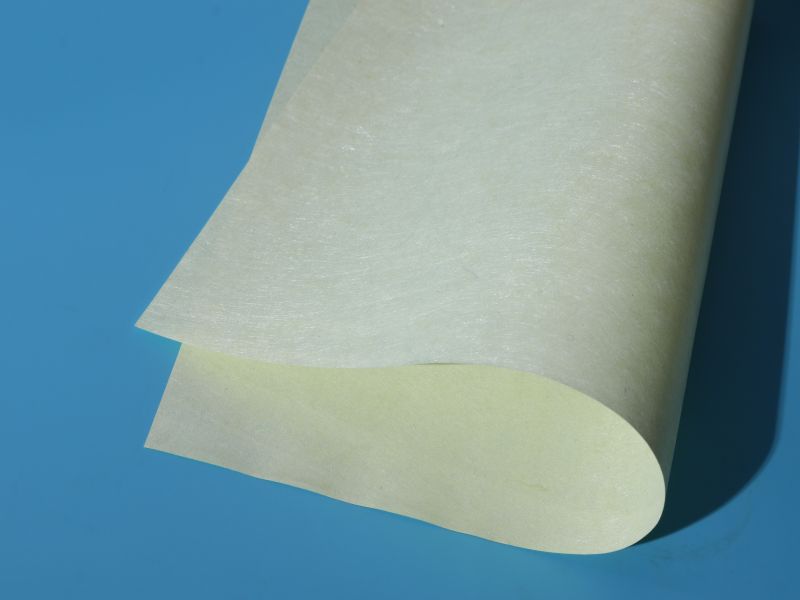
Parameter | Specification |
Fiber Type | Aramid (Meta-aramid / Para-aramid) |
Nominal Thickness Grades | 0.05–0.76 mm (2–30 mil, 9 grades) |
Basis Weight Range | 41.5–710 g/m² |
Density Range | 0.79–1.0 g/cc |
MD Tensile Strength | 41–650 N/cm (grade-dependent) |
CD Tensile Strength | 17–450 N/cm (grade-dependent) |
Shrinkage at 300°C | ≤3.5% (IEC60819-2:2002) |
Flame Rating | UL94 V-0 |
Key Applications
• Electrical insulation: motor slot liners, transformer insulation, phase insulation
• Aerospace composite reinforcement layers
• Flame-resistant barriers and heat shields
• Battery separators and high-temperature filtration
• Honeycomb core materials for lightweight structures
• Gasket and sealing materials for high-temperature service
Nickel-Plated Carbon Fiber Wet Laid Nonwoven
Our nickel-plated carbon fiber wet laid nonwoven combines the lightweight strength of carbon fiber with the superior electrical conductivity of metallic nickel plating. This high-performance wet laid nonwoven fabric delivers exceptional electromagnetic interference (EMI) shielding effectiveness, static dissipation, and corrosion resistance. It is widely used in electronics enclosures, aerospace and defense EMI shielding, telecommunication equipment, and anti-static industrial manufacturing applications.
Parameter | Specification |
Base Material | PAN-based Carbon Fiber Wet Laid nonwoven |
Coating | Electroless Nickel Plating |
Fiber Length | 6 mm |
Fiber Diameter | 6–7 μm |
Thickness | Ultra-thin, down to 95 μm achievable |
EMI Shielding Effectiveness | Up to 79.33 dB (Ni-plated, frequency dependent) |
Base Carbon Nonwoven EMI-SE | ~40.97 dB (uncoated) |
Tensile Strength | ~83.98 MPa (MD, resin-impregnated) |
Conductivity | Excellent electrical and surface conductivity |
Key Applications
• Electromagnetic interference (EMI) shielding for electronics enclosures
• Aviation and aerospace avionics shielding
• Telecommunications equipment shielding
• Military and defense EMI/RFI protection
• Lightweight conductive layers for composite structures
• Radar absorbing and stealth material applications
• Electrostatic discharge (ESD) protection materials
Quartz Fiber Wet Laid Nonwoven
Manufactured from high-purity fused quartz fibers, our quartz fiber wet laid nonwoven offers unparalleled high-temperature resistance (continuous service temperature up to 1050°C), exceptional thermal insulation, low dielectric constant, and excellent chemical inertness. This premium wet laid nonwoven material is the preferred solution for aerospace thermal protection systems, high-temperature furnace insulation, semiconductor wafer processing, fire-resistant barriers, and high-precision optical and electronic applications.
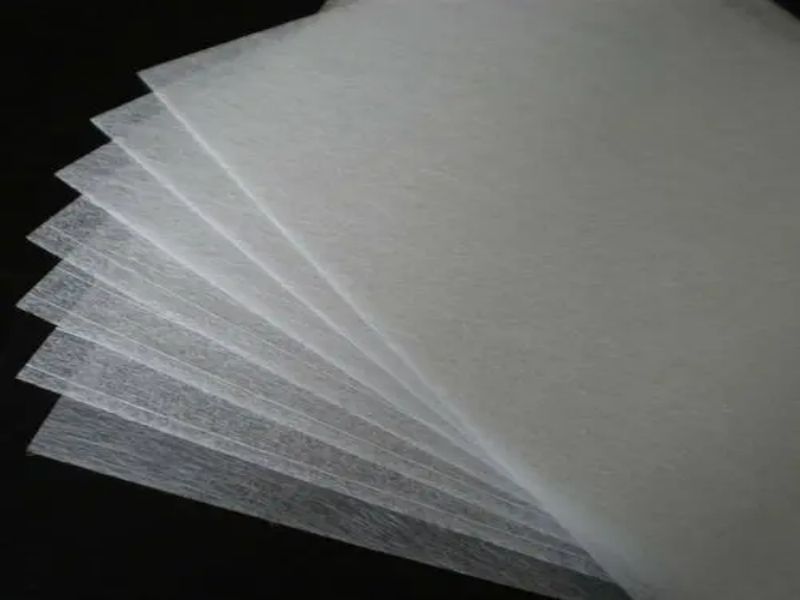
Parameter | Specification |
Fiber Type | High-Purity Quartz Fiber |
Production Process | Wet Laid |
Dielectric Constant (Dk) | 3.74 (at 10 GHz) |
Dielectric Loss (Df) | 0.0002 |
Long-Term Operating Temperature | 1050–1200°C |
Softening Point | 1700°C |
Thermal Expansion Coefficient | 0.54×10⁻⁶ /K |
Tensile Strength | Up to 6000 MPa (fiber level) |
Chemical Resistance | Excellent resistance to acids and alkalis |
Insulation Performance | Resistivity ~1×10¹⁸ Ω·cm at 20–100°C |
Key Applications
• Wave-transparent materials: missile/aircraft/satellite radomes
• Stealth material components (aircraft, missiles, UAVs, naval vessels)
• High-performance circuit boards (high-frequency, high-speed)
• Ablation-resistant thermal protection materials (spacecraft, missile exhaust)
• High-temperature insulation for aerospace applications
• Catalyst carrier substrates (vehicle exhaust treatment, industrial air purification)
• Replacement for high-silica, ceramic, and glass fibers in high-temperature service
Glass Fiber Wet Laid Nonwoven
Our glass fiber wet laid nonwoven fabrics are a cost-effective, versatile solution for a wide range of industrial applications. Available in E-glass, C-glass, and S-glass variants, this wet laid nonwoven material offers excellent electrical insulation, dimensional stability, thermal resistance, and tensile strength. It is widely used in printed circuit board (PCB) substrates, battery separators, liquid and air filtration media, composite reinforcement, roofing membranes, and automotive interior components.
Parameter | Specification |
Fiber Type | E-Glass Fiber |
Fiber Diameter | 9–11 μm (typical) |
Area Weight Range | 45–90 g/m² |
MD Tensile Strength | ≥170–400 N/50mm (grade-dependent) |
CD Tensile Strength | ≥75–200 N/50mm (grade-dependent) |
LOI (Loss on Ignition) | ≤25% |
Moisture Content | ≤1.0% |
Corrosion Resistance | Excellent |
Testing Standards | ISO3374, ISO1887, ISO3342 |
Key Applications
• Excellent substrate for APP and SBS-modified bitumen waterproofing membranes
• Roofing tissue and building material reinforcement
• Pipe wrapping and anti-corrosion layers
• FRP (Fiberglass Reinforced Plastic) surface tissue
• Wall decoration and gypsum board facing materials
• Filtration media (MERV-rated filter mats)
• Floor covering reinforcement mats
Hybrid Blended Fiber Wet Laid Nonwoven
To meet the most complex and customized performance requirements, we offer custom-engineered hybrid blended fiber wet laid nonwoven fabrics. We can blend two or more high-performance fibers (including all fiber types listed above) in precise ratios to achieve a unique balance of strength, conductivity, thermal resistance, chemical stability, and cost efficiency. Our in-house R&D team works closely with global customers to develop tailored blended wet laid nonwoven solutions for specialized applications, from advanced battery technologies to aerospace and defense systems.
Parameter | Specification |
Production Process | Wet Laid Hybrid Nonwoven |
Fiber Combinations | Carbon + Natural Fibers (Flax, Hemp, Jute, Kenaf, Sisal); Carbon + Polyester; Carbon + Glass; Glass + Polymer Fibers; Custom Blends |
Fiber Content Control | Precise ratio control (e.g., 25%, 50%, 75% fiber blends) |
Isotropic Properties | Uniform in-plane fiber orientation for consistent mechanical performance |
Binder Options | Thermoplastic binders, co-polyester, acrylic, thermosetting resins |
Composite Processing | Compatible with compression molding, heat press consolidation |
Key Applications
• Recycled carbon fiber (rCF) hybrid composites for sustainable manufacturing
• Carbon/natural fiber hybrid composites (flax, hemp, jute, kenaf, sisal blends)
• Glass/polymer hybrid preforms for compression molding
• Cost-optimized reinforcement materials (carbon + polyester blends)
• Thermoplastic composite preforms (wet laid + heat-molding compression)
• Ceramic matrix composite (CMC) preforms
• Custom functional materials with tailored mechanical, electrical, and thermal properties
Key Advantages of Our Wet Laid Nonwoven Fabrics
Our wet laid nonwoven products are engineered to deliver consistent, industry-leading performance for the most demanding industrial applications. Core advantages of our wet laid nonwoven fabrics include:
• Unmatched fiber uniformity: Advanced wet-laid production technology ensures ultra-even fiber distribution, eliminating weak points and delivering consistent performance across the entire fabric surface
• Fully customizable specifications: Full control over areal weight (5g/m² to 500g/m²), thickness, fiber length, bonding method, and functional surface treatments to match your exact requirements
• Broad fiber compatibility: Ability to process virtually all high-performance fibers into high-quality wet laid nonwoven materials, with unlimited custom blending capabilities
• Superior dimensional stability: Excellent resistance to shrinkage, stretching, and deformation across wide temperature and humidity ranges
• Precise pore size control: Engineered pore structure for optimized filtration efficiency, gas permeability, and liquid absorption
• Global compliance: All our wet laid nonwoven fabrics meet ISO, ASTM, RoHS, and REACH standards, with full quality documentation available for worldwide export
Industrial Applications of Wet Laid Nonwoven
Thanks to its exceptional versatility and customizable performance, our wet laid nonwoven fabrics are widely used across a diverse range of global industries, including:
• New Energy: Lithium-ion battery separators, fuel cell gas diffusion layers (GDL), solid-state battery components, solar panel backsheets
• Aerospace & Defense: Thermal protection systems, EMI shielding, composite reinforcement, ballistic protection, fire-resistant barriers
• Electronics & Electrical: PCB substrates, electrical insulation materials, flexible electronics, EMI/RFI shielding, semiconductor packaging
• Industrial Filtration: Flue gas filtration, chemical processing filtration, water treatment, high-temperature dust collection, liquid filtration media
• Automotive Industry: EV battery components, heat shields, acoustic insulation, interior composites, emission control systems
• High-Temperature Insulation: Industrial furnace linings, building thermal insulation, fire-resistant materials, aerospace thermal management
• Medical & Healthcare: Diagnostic test strips, medical filtration media, wound care materials (biocompatible grades available)
Why Choose Us as Your Trusted Wet Laid Nonwoven Supplier?
As a leading China-based wet laid nonwoven manufacturer with years of industry experience, we are dedicated to delivering premium-quality nonwoven solutions to customers across the globe. Here’s what sets us apart:
1. End-to-End Manufacturing Capability: We control the entire production process from fiber processing to finished wet laid nonwoven fabric, ensuring strict quality control and competitive factory-direct pricing
2. Custom R&D & Engineering: Our in-house R&D team specializes in developing custom wet laid nonwoven formulations to meet your unique application requirements, with fast prototyping and sample turnaround
3. Global Export Expertise: With years of foreign trade experience, we handle all export logistics, customs documentation, and international compliance, ensuring smooth delivery to over 50 countries worldwide
4. Strict Quality Management: Our production facilities are ISO 9001 certified, with comprehensive batch-to-batch testing to guarantee consistent performance and compliance with international standards
5. Flexible Order Capacity: We support both small-batch custom prototype orders and large-scale bulk production, with stable lead times to meet your supply chain needs
6. Multilingual Customer Support: Our professional foreign trade team provides 24/7 pre-sales consultation, technical support, and after-sales service to ensure a seamless long-term partnership
Get Your Custom Wet Laid Nonwoven Quote Today
Whether you need a standard wet laid nonwoven fabric or a fully custom engineered solution with specialized fiber blends, we are here to support your project. Contact our international sales team today to discuss your wet laid nonwoven requirements, request free samples, or get a competitive, customized quote for your business.
Frequently Asked Questions (FAQs)
Q: What is the difference between wet laid nonwoven and dry laid nonwoven?
A: Wet laid nonwoven uses an aqueous fiber dispersion process for superior fiber uniformity, ultra-thin thickness control, and precise pore size distribution, while dry laid nonwovens use mechanical or air-laid fiber processing. Wet laid technology is better suited for high-precision applications requiring consistent, homogeneous material properties.
Q: Can you produce custom wet laid nonwoven with blended fiber types?
A: Yes, we specialize in custom hybrid blended fiber wet laid nonwoven fabrics. Our R&D team can blend any combination of our available high-performance fibers to achieve your desired balance of mechanical, thermal, electrical, and chemical properties.
Q: What is the minimum order quantity (MOQ) for your wet laid nonwoven fabrics?
A: Our MOQ varies based on the fiber type, specification, and customization level. We offer flexible MOQs for both prototype development and bulk production, with small-batch options available for custom R&D projects. Please contact our sales team for specific MOQ details for your project.
Q: What international standards do your wet laid nonwoven fabrics comply with?
A: All our wet laid nonwoven products comply with ISO, ASTM, RoHS, and REACH standards. We can also provide materials that meet UL and other industry-specific certifications upon request, with full test reports and quality documentation available for global export.
Q: What is the lead time for wet laid nonwoven orders?
A: Standard sample orders typically have a lead time of 3-7 working days. Bulk production lead times range from 10-25 working days, depending on the specification, fiber type, and order volume. We work closely with our customers to meet tight project deadlines and ensure stable supply chain delivery.