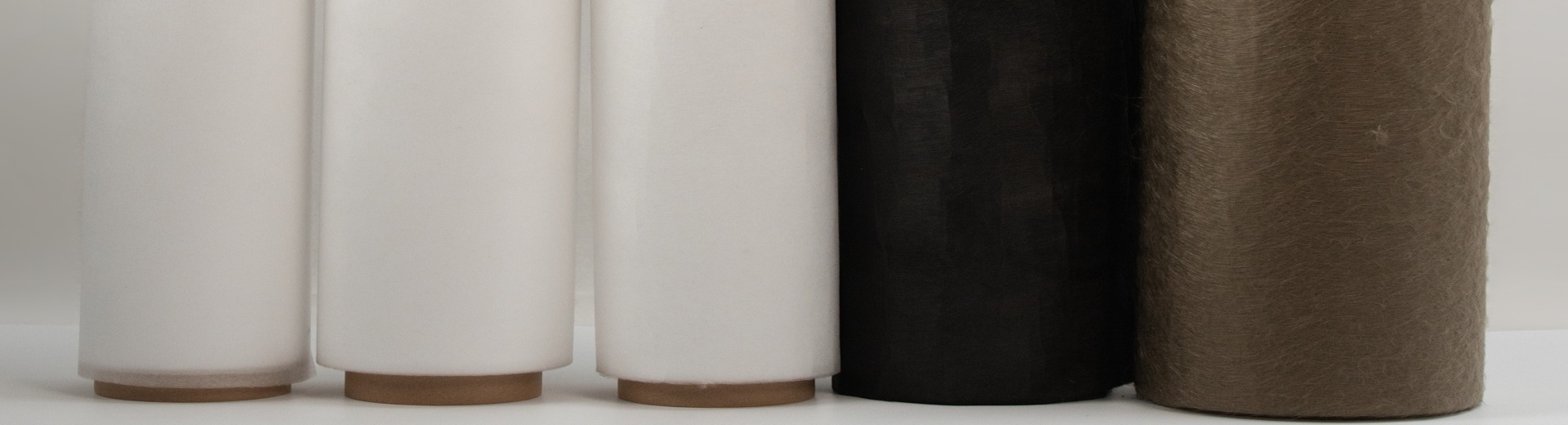
SAFT50 Fiberglass Facing Tissue to Improve Surface Flatness and Wet-Strength Stability in Mineral Wool Boards and Glass Curtain Walls
2026-11-20 10:58
1. Technical Overview
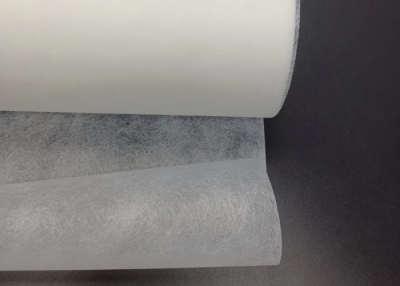
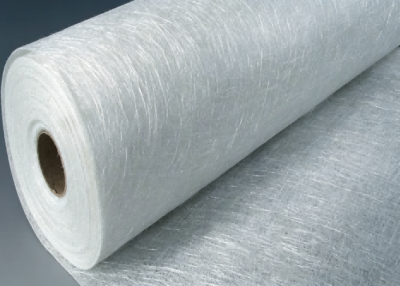
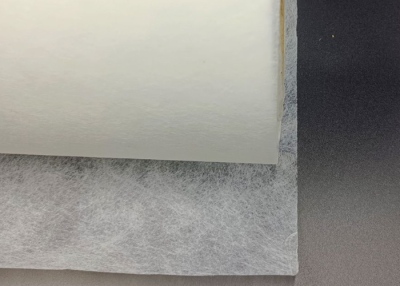
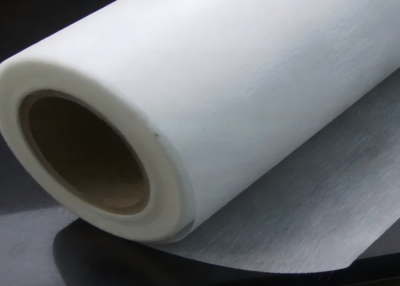
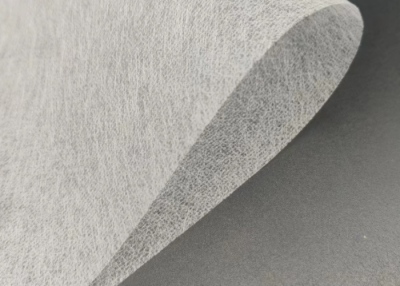
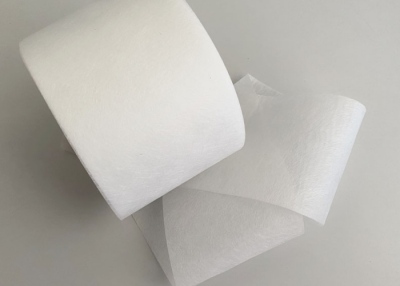
SAXOBRAN SAFT50 is a wet-laid non-woven fiberglass facing tissue engineered for continuous surface lamination onto mineral wool boards, rock cotton slabs, and curtain wall insulation panels.
Insulation and facade panel factories feed SAFT50 directly onto mineral cotton boards and spandrel glass backing panels to prevent surface wrinkling, eliminate steam blisters, and ensure long-term weather durability.
2. Technical Specifications Table (TDS)
| Technical Parameter | Metric Value | Test Standard | Workshop Function & Purpose |
| Unit Weight (Grammage) | 50 g/m² (±5%) | ISO 3374 | Controls exact fiberglass tissue mass to ensure uniform adhesive and decorative paint coverage |
| LOI | ≤ 25% | ISO 1887 | Maintains thermosetting binder structure during continuous hot thermal lamination up to 200°C |
| MD Tensile Strength | ≥ 150 N/50mm | ISO 3342 | Prevents web stretching and line snaps under high machine pull on continuous board-facing lines |
| CD Tensile Strength | ≥ 70 N/50mm | ISO 3342 | Stops edge tearing and width shrinkage during wide-web unwinding and board edge trimming |
| Wet Tensile Retention (MD) | ≥ 60% | ISO 3342 / Wet | Retains web integrity during wet binder spraying, water-based coating, and humid jobsite storage |
| Moisture Content | ≤ 1.0% | ISO 3344 | Eliminates steam pinholes, surface blisters, and facing delamination during hot press curing |
3. Key Features & Workshop Problem Solvers
High Wet Tensile Retention Resists Rain and Water-Based Coatings
Standard facing veils soften, sag, or wrinkle when exposed to water-based adhesive sprays or damp air inside ventilated curtain wall cavities. SAFT50 fiberglass tissue uses a cross-linked thermosetting binder that retains ≥ 60% Machine Direction tensile strength under wet conditions.
High Pull Strength Across Continuous Hot Lamination Tunnels
Weak veils tear under roller tension when passing through heated lamination presses, stopping continuous board production. SAFT50 fiberglass facing tissue delivers longitudinal tensile strength of ≥ 150 N/50mm. This high pull strength prevents web breaks, keeps scrap rates below 0.5%, and maintains smooth inline board facing.
4. Target Applications & Processing Lines
Mineral Product & Rock Cotton Board Facing Lines
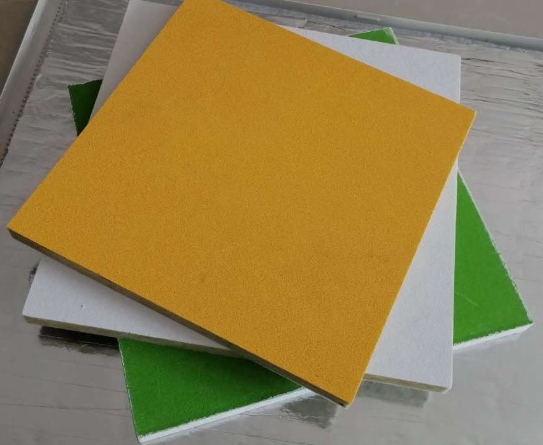
Insulation board factories feed SAFT50 fiberglass facing tissue as an inline top or bottom decorative substrate over high-density mineral wool and rock cotton boards. The fiberglass tissue encapsulates loose surface fibers, boosts Class-A fire performance.
Glass Curtain Wall Insulation & Spandrel Backing Panels
SAFT50 serves as a protective exterior-facing veil on insulation slabs installed behind architectural glass curtain walls. The fiberglass facing tissue prevents wind erosion inside ventilated wall cavities, hides dark mineral wool behind vision or spandrel glass, and resists condensation damage.
5. Frequently Asked Questions (Technical FAQ)
Q: How does SAFT50 fiberglass facing tissue create a smooth decorative finish on mineral cotton boards?
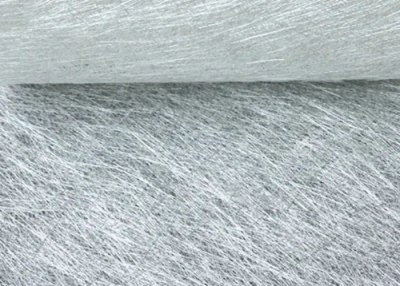
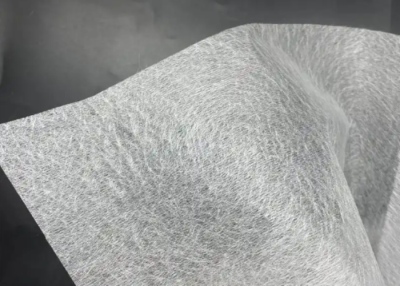
A: SAFT50 is produced via a precision wet-laid process that disperses fine E-glass microfibers evenly without clumps. Bonded onto the board face, the fiberglass facing tissue seals rough mineral wool pores and provides a flat, uniform surface for direct painting or decorative lamination.
Q: Why is low moisture content (≤ 1.0%) critical for SAFT50 on hot lamination lines?
A: Trapped moisture flashes into steam when contacting hot lamination rollers up to 200°C, causing surface bubbles, pinholes, and glue delamination. SAFT50 arrives factory-sealed at ≤ 1.0% moisture content to guarantee clean, blister-free panel adhesion.
Related News
Read More >-
![SAFT25 Fiberglass Filter Tissue to Lower Pressure Drop in Organic Waste Gas and Air Purification Systems]()
SAFT25 Fiberglass Filter Tissue to Lower Pressure Drop in Organic Waste Gas and Air Purification Systems
SAXOBRAN SAFT25 is an ultra-thin wet-laid non-woven fiberglass filter tissue engineered for continuous activated carbon slurry impregnation, rotary pleating, and honeycomb adsorption wheel assembly. We manufacture this open-pore fiberglass tissue as a high-temperature carrier substrate that holds adsorbent slurries while keeping system airflow resistance low.
-
![SACFT200 Fiberglass Coated Facing Tissue to Eliminate Paint Bleeding and Improve Board Rigidity in Gypsum and Wall Insulation Panels]()
SACFT200 Fiberglass Coated Facing Tissue to Eliminate Paint Bleeding and Improve Board Rigidity in Gypsum and Wall Insulation Panels
SAXOBRAN SACFT200 is a heavy-duty wet-laid non-woven fiberglass coated facing tissue engineered for continuous gypsum board casting and rigid thermal insulation board lamination lines. We manufacture this pre-coated fiberglass tissue using a specialized calcium carbonate mineral coating formulation to seal surface porosity, stop slurry bleed-through, and provide a smooth, paint-ready finish.
-
![SACT40 Fiberglass Carpet Tissue to Eliminate Tile Curling and Improve Surface Smoothness in Commercial Carpets]()
SACT40 Fiberglass Carpet Tissue to Eliminate Tile Curling and Improve Surface Smoothness in Commercial Carpets
SACT40 is a wet-laid non-woven fiberglass carpet tissue engineered for continuous PVC, bitumen, and polyurethane carpet tile backing lines. We manufacture this ultra-smooth fiberglass tissue as an internal dimensional stabilizer that locks tufted primary backings to heavy secondary cushion layers.
-
![SAPWT50 Fiberglass Pipe Wrapping Tissue to Eliminate Coating Pinholes in Underground Oil and Gas Pipelines]()
SAPWT50 Fiberglass Pipe Wrapping Tissue to Eliminate Coating Pinholes in Underground Oil and Gas Pipelines
SAXOBRAN SAPWT50 is a wet-laid non-woven fiberglass pipe wrapping tissue engineered for continuous factory pipe coating yards and field pipeline wrapping machines. We manufacture this fiberglass tissue as an inner reinforcement carrier embedded directly inside hot-applied bitumen, coal tar enamel, and asphalt anti-corrosion coatings.
-
![50g/m² Chemical-Resistant Glass Fiber Mat for Smooth Corrosion Barrier Linings in Glass Reinforced Epoxy (GRE) Pipe and Vessel Filament Winding]()
50g/m² Chemical-Resistant Glass Fiber Mat for Smooth Corrosion Barrier Linings in Glass Reinforced Epoxy (GRE) Pipe and Vessel Filament Winding
SAST50 is a wet-laid non-woven fiberglass surface tissue engineered for continuous filament winding and hand lay-up of GRE (Glass Reinforced Epoxy) products. We manufacture this dense fiberglass tissue as an essential resin-rich surface veil that creates a smooth, crack-resistant inner liner inside chemical pipes, storage tanks, and offshore high-pressure lines.
-
![60g/m² Heavy-Duty Non-Woven Glass Mat for Substrate Reinforcement in SBS, APP, PVC Waterproofing Membranes, and Asphalt Shingles]()
60g/m² Heavy-Duty Non-Woven Glass Mat for Substrate Reinforcement in SBS, APP, PVC Waterproofing Membranes, and Asphalt Shingles
SART60 is a heavy-duty wet-laid non-woven fiberglass roofing tissue engineered for continuous modified bitumen dipping and PVC waterproofing membrane lines. We manufacture this dense fiberglass tissue as a primary structural carrier that locks molten SBS/APP bitumen compounds and stabilizes plasticized PVC sheets.
-
![SATIT200 Heavy-Duty Fiberglass Thermal Insulation Tissue for High-Temperature High-Pressure Molding]()
SATIT200 Heavy-Duty Fiberglass Thermal Insulation Tissue for High-Temperature High-Pressure Molding
SATIT200 is a heavy-duty wet-laid non-woven fiberglass thermal insulation tissue engineered for extreme high-temperature and high-pressure compression molding. We manufacture this high-density fiberglass tissue to serve as a robust structural carrier and thermal barrier in multi-layer insulation jackets, molded pipe shells, industrial furnace linings, and automotive heat shields.
-
![SAFT40 Fiberglass Facing Tissue to Improve Surface Stability in Wall Panels and Glass Curtain Wallsn, and Architectural Glass Curtain Wall Panels]()
SAFT40 Fiberglass Facing Tissue to Improve Surface Stability in Wall Panels and Glass Curtain Wallsn, and Architectural Glass Curtain Wall Panels
SAFT40 is a wet-laid non-woven fiberglass facing tissue engineered for continuous surface facing of insulation slabs and curtain wall panels. We manufacture this fiberglass tissue to create a clean, uniform cover over dark mineral wool, rock cotton boards, and fiberglass insulation cores.