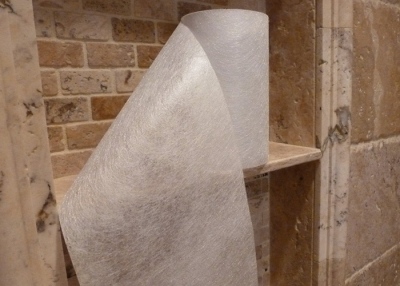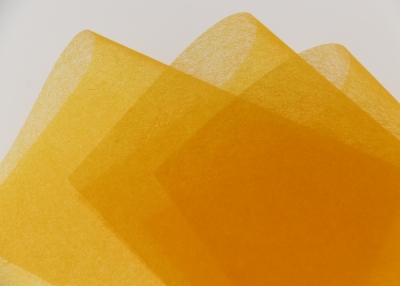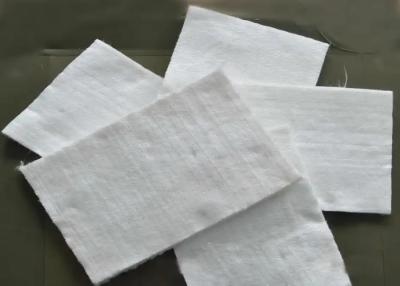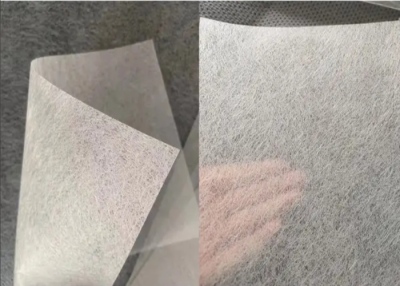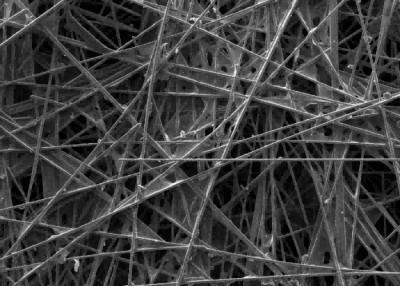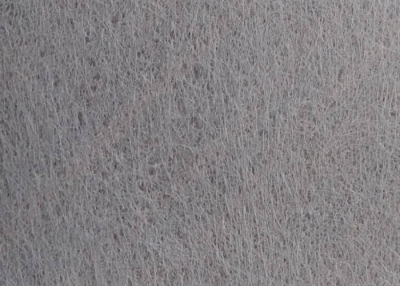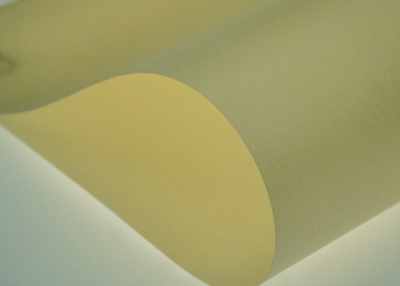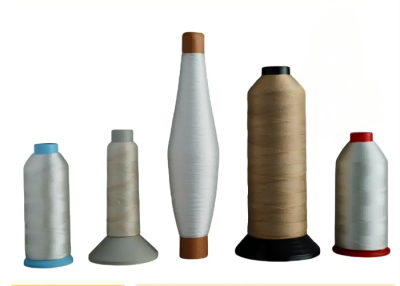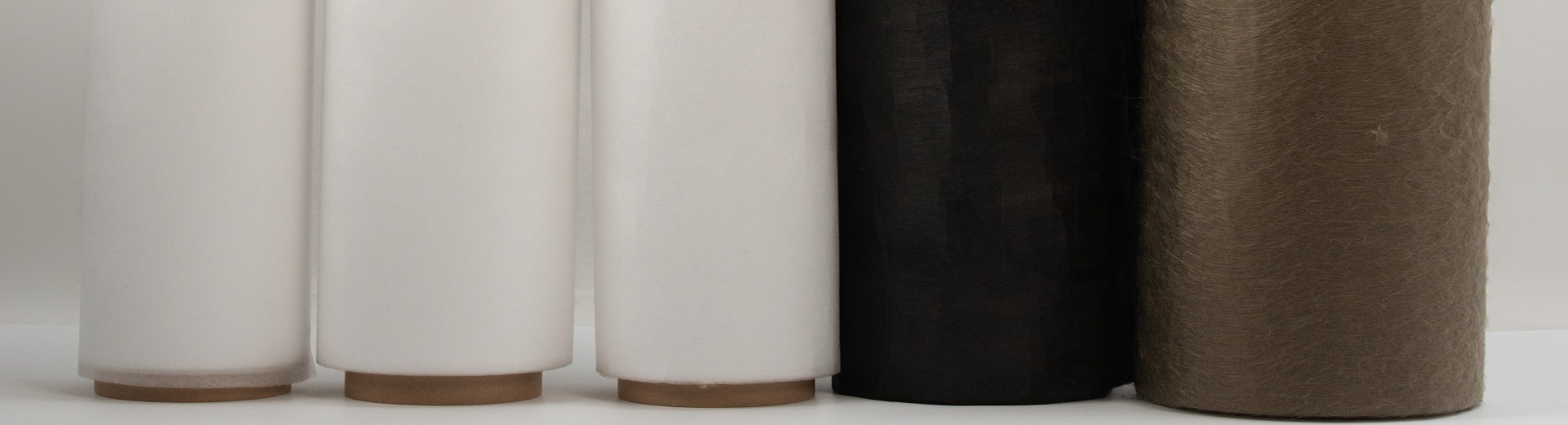
Wet-laid nonwovens are rapidly penetrating the high-end application market, driven by their superior performance.
2026-06-16 16:42
Wet-laid nonwoven fabric is a type of nonwoven material produced using a process adapted from papermaking, in which fibrous raw materials are dispersed in water to form a suspended slurry, then dewatered to create a web that is subsequently bonded. Characterized by high production speeds and uniform structure, it is widely used in fields such as medical applications, filtration, and battery separators.
1. Carbon Fiber Thin Mat
A carbon fiber thin mat is a lightweight, multifunctional nonwoven material produced by dispersing chopped carbon fibers in water to form a sheet, then bonding them with an adhesive; it exhibits excellent mechanical properties and resin compatibility.
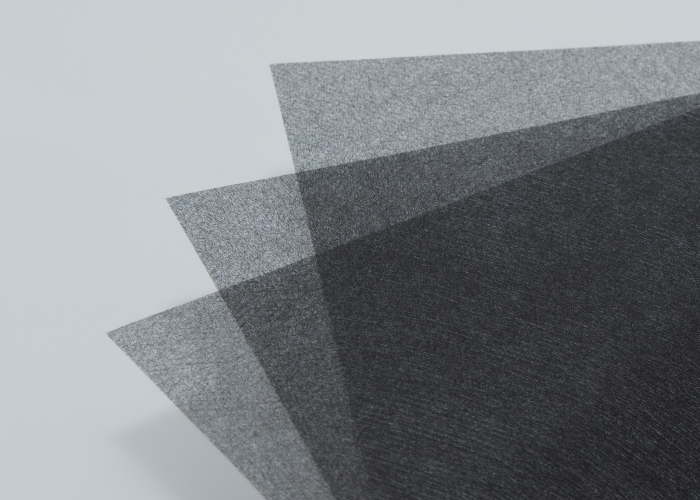
Carbon Fiber Thin Mat Manufacturing Process
High-quality chopped PAN (polyacrylonitrile)-based carbon fiber is used as the raw material.
The fibers are randomly and uniformly dispersed in water, naturally forming a multi-layered, microporous network structure with high porosity.
A specialized adhesive is applied to secure the structure through multi-point bonding, imparting the necessary overall mechanical strength and surface toughness.
The adhesive formulation and content can be flexibly adjusted to ensure perfect compatibility and enhanced bonding with various resin systems.
Carbon Fiber Thin Mat Key Features: Ultra-low basis weight (minimum 4 g/m²); ultra-light and ultra-thin; excellent dispersibility.
Carbon Fiber Thin Mat Core Material Properties:
Rapid impregnation speed
Good covering effect
Excellent electrical properties
Temperature and corrosion resistance
Improved interlaminar flow
Carbon Fiber Thin Mat Parameter
| Product Code | Unit Weight (g/m²) | Surface Resistance (Ω) | Resin Content (%) | Moisture Content (%) | Tensile Strength (N/50mm) | Thickness (mm) |
| SA-004 | 4 | ≤75 | 10±2 | ≦0.3 | ≥13 | 0.04±0.01 |
| SA-005 | 5 | ≤45 | 10±2 | ≦0.3 | ≥14 | 0.05±0.01 |
| SA-006 | 6 | ≤25 | 10±2 | ≦0.3 | ≥15 | 0.06±0.01 |
| SA-008 | 8 | ≤12 | 10±2 | ≦0.3 | ≥20 | 0.08±0.01 |
| SA-010 | 10 | ≤10 | 10±2 | ≦0.3 | ≥33 | 0.09±0.01 |
| SA-015 | 15 | <8 | 10±2 | ≦0.3 | ≥42 | 0.15±0.02 |
| SA-020 | 20 | <6 | 10±2 | ≦0.3 | ≥55 | 0.20±0.03 |
| SA-030 | 30 | ≤4 | 10±2 | ≦0.3 | ≥82 | 0.30±0.03 |
| SA-050 | 50 | <3 | 10±2 | ≦0.3 | ≥100 | 0.50±0.04 |
| SA-060 | 60 | ≤1 | 10±2 | ≦0.3 | ≥110 | 0.60±0.04 |
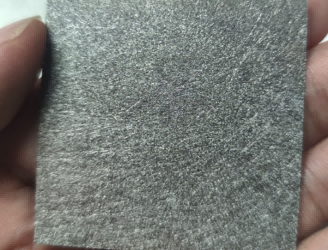
2.Nickel-plated carbon fiber thin mat
It inherits the advantages of carbon fiber veils, such as rapid impregnation, excellent coverage, and resistance to high temperatures and corrosion.
The nickel coating bonds tightly to the carbon fiber substrate, ensuring high mechanical strength and preventing delamination during processing or use.
It effectively improves interfacial compatibility between the carbon fiber and the nickel matrix or resin, thereby reducing interfacial defects.
It offers exceptional electrical conductivity, effectively eliminating static electricity buildup to protect precision components, while also providing superior electromagnetic shielding performance that meets the rigorous anti-interference requirements of the electronics and information sectors.
| Product Code | Unit Weight (g/m²) | Surface Resistance (Ω) | Resin Content (%) | Moisture Content (%) | Tensile Strength (N/50mm) | Thickness (mm) |
| SA-005 | 5 | ≤3.5 | 10±2 | <0.3 | ≥14 | 0.04±0.01 |
| SA-010 | 10 | <3.1 | 10±2 | <0.3 | ≥15 | 0.05±0.01 |
| SA-015 | 15 | ≤2.5 | 10±2 | <0.3 | ≥20 | 0.07±0.01 |
| SA-020 | 20 | ≤1.9 | 10±2 | <0.3 | ≥33 | 0.09±0.01 |
| SA-030 | 30 | ≤1.4 | 10±2 | <0.3 | ≥42 | 0.15±0.02 |
| SA-040 | 40 | ≤1.0 | 10±2 | <0.3 | ≥55 | 0.20±0.02 |
3.Basalt fiber thin mat
Basalt fiber is a new type of eco-friendly, green, and high-performance inorganic fiber material. Thin mats made from basalt fiber combine the functional characteristics of both glass fiber mats and carbon fiber mats, offering broad application potential across various industrial sectors.
Product Features
High strength and wear resistance
Electrical and thermal insulation
Stability across a wide temperature range
Sound insulation and absorption
Corrosion resistance
Eco-friendly
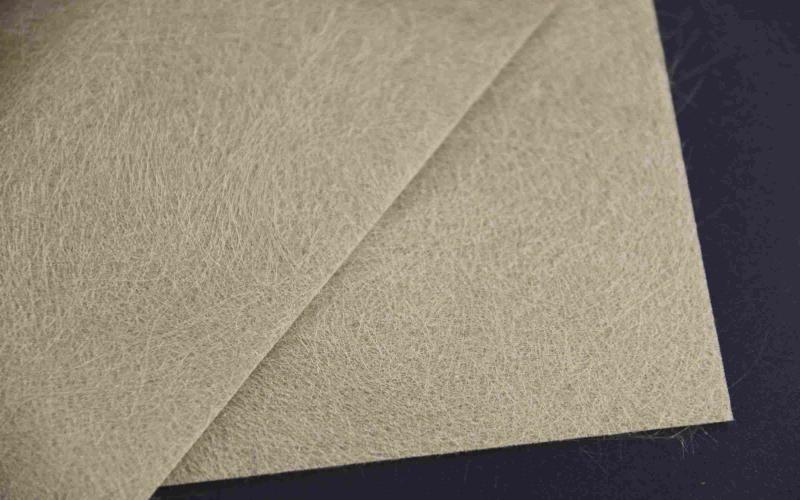
Basalt fiber mat: main application areas
composite reinforcement
It is an important surface material for winding molding, pultrusion molding and special-shaped composite materials. It can form a resin-rich layer, effectively improve the anti-leakage and anti-corrosion capabilities, and significantly enhance the surface quality of the product.
Construction Materials
When combined with reinforcing fabrics for use in building facades, roofing, and sound insulation systems, it provides excellent thermal insulation and sound absorption, while offering the advantages of being lightweight, high-strength, fire-resistant, and weather-resistant.
Diverse Expansion: Covering Industrial and High-End Manufacturing Sectors
Widely applied in fields such as friction materials, shipbuilding materials, lightweight automotive components, road reinforcement, aerospace components, high-temperature filtration fabrics, and personal protective equipment.
Related News
Read More >-
![SART50 Fiberglass Roofing Tissue to Reduce Asphalt Membrane Production Scrap]()
SART50 Fiberglass Roofing Tissue to Reduce Asphalt Membrane Production Scrap
We make this Fiberglass Tissue to carry asphalt during continuous hot dipping and lamination runs.The 50g/m² matrix holds roll tension under high temperatures, stops edge tears, and controls binder loss in hot bitumen dip tanks up to 200°C.
-
![The Industrial Value of Polyimide Wet-Laid Nonwovens]()
The Industrial Value of Polyimide Wet-Laid Nonwovens
Polyimide fiber wet-laid nonwoven fabric is the ideal fiber material for making fire-retardant clothing such as protective suits for armored forces, racing suits, and flight suits. It can also be used to manufacture comfortable and warm functional clothing.
-
![What makes quartz fiber needle-punched felt the new benchmark for thermal insulation materials?]()
What makes quartz fiber needle-punched felt the new benchmark for thermal insulation materials?
With a temperature resistance limit of 1050°C, an ultra-low thermal conductivity of 0.03 W/(m·K), 30% compressibility and resilience, and 99.95% purity, quartz fiber needle-punched felt is sparking a thermal insulation revolution in the photovoltaic and semiconductor sectors.
-
![High-Performance Quartz Fiber Wet-Laid Nonwovens for Extreme Environments]()
High-Performance Quartz Fiber Wet-Laid Nonwovens for Extreme Environments
Quartzel fiber is a homogeneous, non-porous, continuous, and amorphous ultra-high-purity silica glass. An SiO₂ content of no less than 99.95% ensures the material's exceptional purity and chemical stability. Wet-laid Quartz Fiber Nonwoven manufactured from high-purity yarns that have been cut and subsequently processed via a wet-laid process.
-
![Wet-Laid Glass Fiber Thick Felt Boosts Acoustic Material Upgrades]()
Wet-Laid Glass Fiber Thick Felt Boosts Acoustic Material Upgrades
Wet-process glass fiber thick felt is a novel functional material manufactured using an advanced wet-process technique, specifically designed to address the acoustic and thermal challenges inherent in modern architectural and industrial environments.
-
![From Filtration to New Energy: The Application Landscape of Wet-Laid Glass Fiber Nonwovens Continues to Expand]()
From Filtration to New Energy: The Application Landscape of Wet-Laid Glass Fiber Nonwovens Continues to Expand
It is an innovative industrial material produced by processing electronic-grade chopped fiberglass strands using a specialized wet-laid process. This unique manufacturing method endows it with a range of exceptional physical and chemical properties, serving as a critical foundation for high-performance composite materials.
-
![Applications of Wet-Laid PPS Nonwovens Are Expanding Rapidly]()
Applications of Wet-Laid PPS Nonwovens Are Expanding Rapidly
PPS wet-laid nonwovens are manufactured using an advanced wet-laid process that enables precise control over fiber distribution, endowing the material with an exceptionally fine and uniform microstructure—thereby ensuring the filtration precision and physical strength of the finished product.
-
![Quartz fiber: a key material for aircraft thermal insulation]()
Quartz fiber: a key material for aircraft thermal insulation