


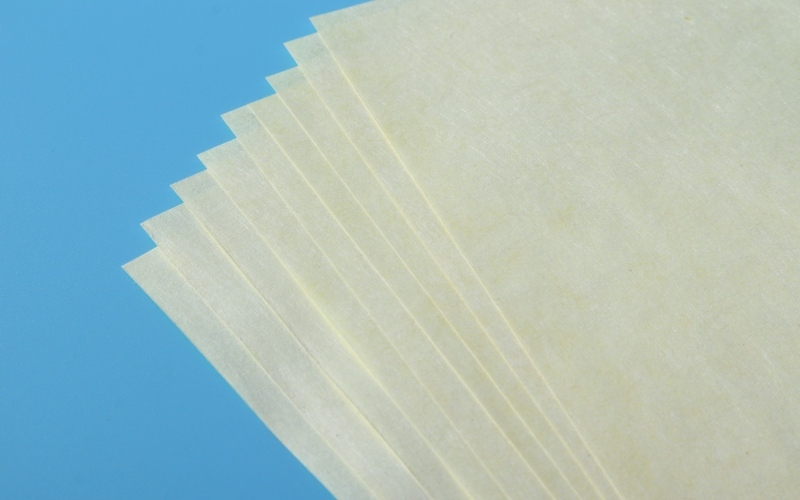
The Production Process of Wet-laid Nonwoven
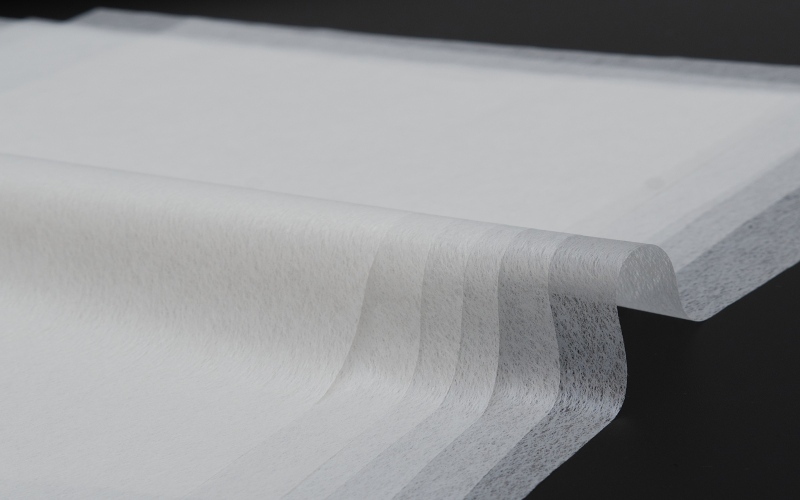
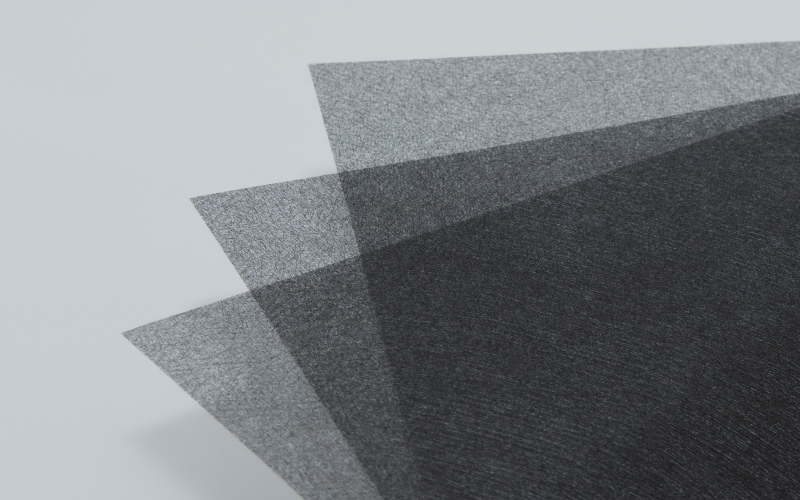
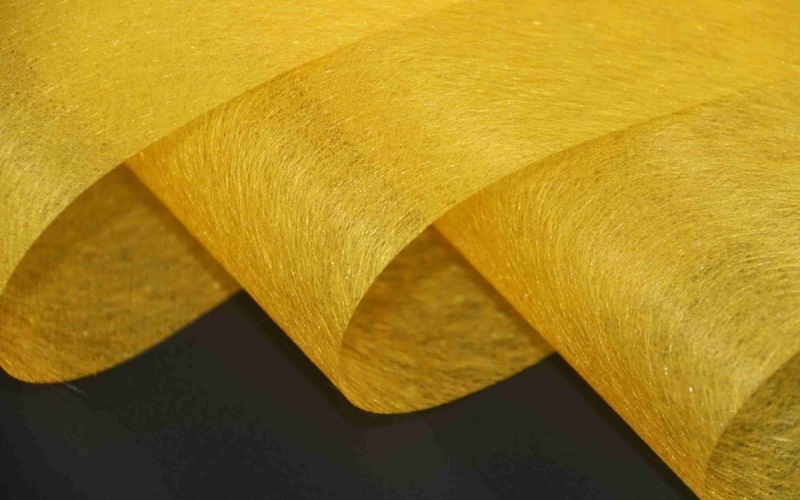
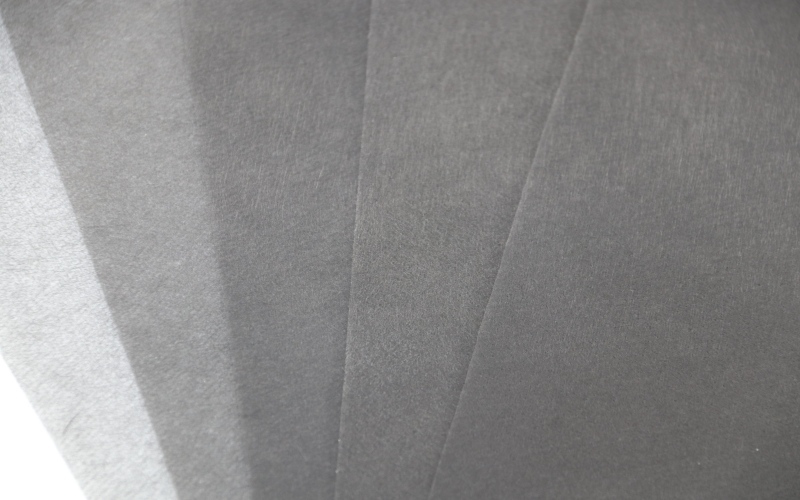
Wet-laid nonwovens primarily involve dispersing fibrous raw materials in an aqueous medium to form a suspension slurry, which is subsequently dewatered to create a web and then bonded. This technology draws upon the wet-laid web-forming techniques used in papermaking and, compared to traditional textile processes, significantly simplifies the production workflow.
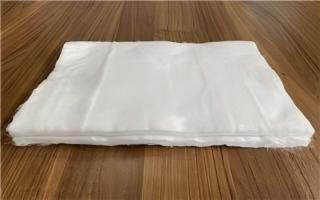
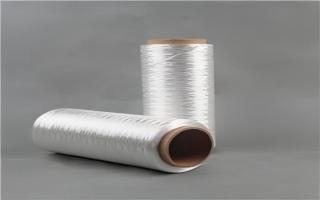
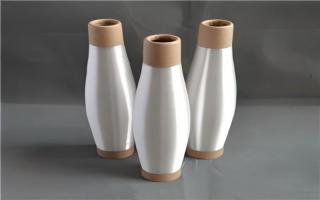
Definition of Wet-laid Nonwovens
"Wet-laid web formation refers to the process of depositing fibers suspended in an aqueous tank to create a fibrous web, which then undergoes a series of subsequent treatments such as bonding to produce a paper like nonwoven fabric."
In essence, a wet-laid nonwoven fabric is a fibrous web formed by dewatering a mixture of water, fibers, and chemical additives within a specialized forming unit; the final nonwoven fabric is obtained after the web has been consolidated through physical or chemical methods.
The manufacturing process for wet-laid nonwovens primarily involves dispersing raw fiber materials into an aqueous medium to form a suspension slurry, followed by dewatering to create a web, which is then consolidated.
This technique draws upon the wet-laid web formation technology utilized in papermaking, and compared to traditional textile manufacturing processes it significantly simplifies the production workflow.
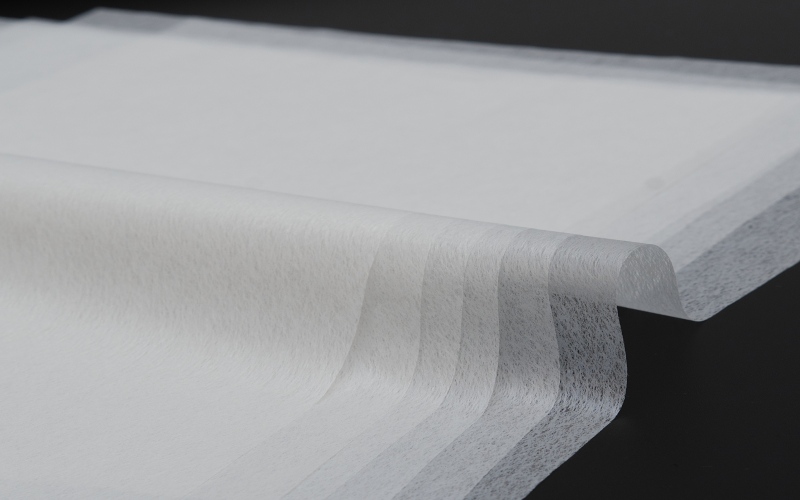
Process Principles
Wet-laid nonwovens refer to a technology in which fibrous raw materials suspended in an aqueous medium are opened into individual fibers often involving the blending of different fiber types to form a fiber slurry;
this slurry is then conveyed to a web-forming mechanism, where it is formed into a web and consolidated into a fabric while still in a wet state. The process typically comprises fundamental steps such as fiber preparation, wet-laid web formation, web bonding, and finishing.
Characteristics of Wet-laid Nonwovens
Wet-laid nonwovens are based on the wet-laid web-forming process and exhibit the following fundamental characteristics:
1. High production speed, capable of reaching up to 400 m/min.
2. Suitable for forming webs from short fibers with lengths of 20 mm or less.
3. Virtually unlimited possibilities for blending fibers of different types or qualities.
4. Fibers within the web are arranged randomly, resulting in wet-laid nonwoven materials that are nearly isotropic.
5. The products demonstrate good bulkiness and web uniformity.
6. Relatively low production costs.
7. Limited flexibility for product variety changes in wet-laid nonwoven materials.
8. High water consumption.
Application Areas
Wet-laid nonwovens are widely utilized in medical and healthcare sectors, home decor and apparel, industrial fabrics, civil engineering and construction, the automotive industry, agriculture and horticulture, and packaging materials, as well as in various other applications such as map fabrics, calendar cloths, and artist canvases.