


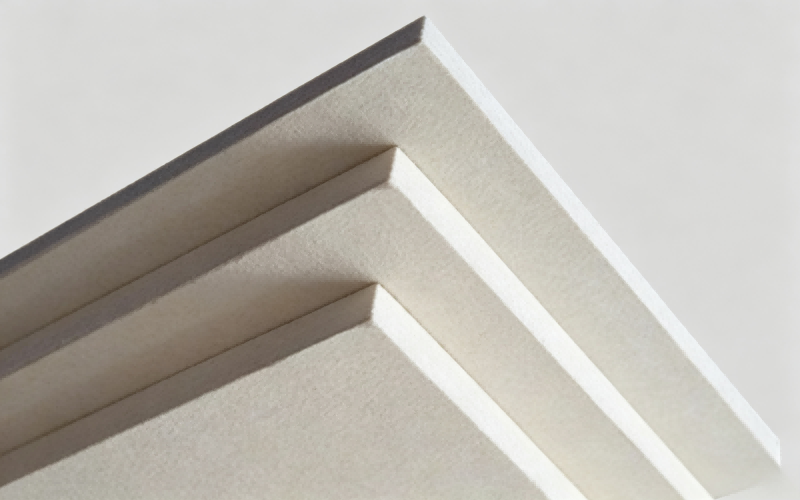

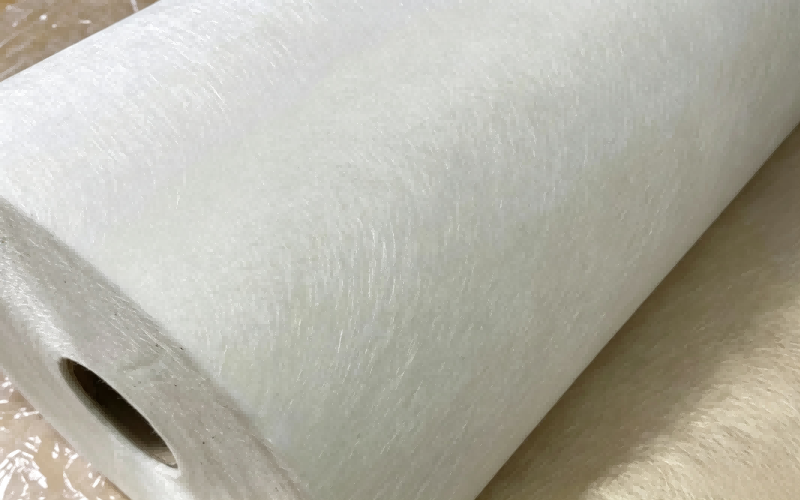
SAAT70 Fiberglass Acoustic Tissue (70g/m²)
While conventional sound-absorbing materials can become clogged by adhesive, Fiberglass Acoustic Tissue utilizes a precisely engineered pore structure to absorb sound while blocking dust effectively; this eliminates the need to discard substandard finished products.
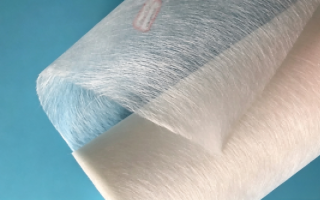
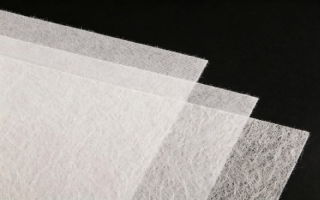
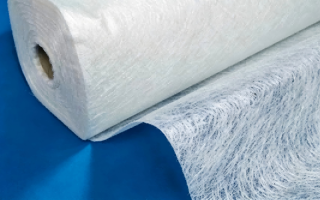
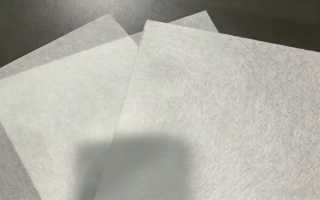
SAAT70 Fiberglass Acoustic Tissue (70g/m²)
Trap noise. Stop fuzzy fibers. Quick hot-melt bond.
SAXOBRAN® We design this 70g/m² acoustic tissue to face commercial ceiling tiles and insulation panels. Our team found that standard veils clog with glue or let itchy wool fibers leak through the face. This grade uses precise airflow pores to absorb sound while blocking dust. It keeps your lamination line moving fast, stops panel rejects, and cuts down on glue waste.
Industrial Pain Points Solved
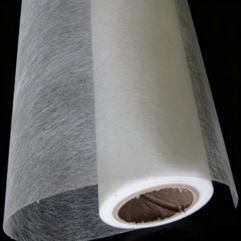
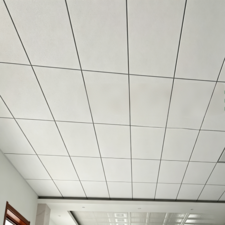
Sound Echo and Airway Clogging
Excess glue blocks the tiny air paths in regular tissue during heat pressing. This kills the sound-trapping performance and makes your panels fail the building noise test.
We spin the glass threads to create controlled micro-gaps.Air flows through easily to trap sound waves while keeping hot-melt glue from soaking all the way through.
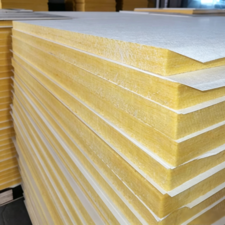
Fuzzing and Yellowing in the Dryer
High kiln heat turns white tissues an ugly yellow. Loose surface fibers poke up, scratch the handlers, and cause customers to reject the batch.
The glass fibers stay locked flat even when exposed to high inline temperatures.Panels stay smooth, keep their clean color, and do not shed itchy fiber dust.
Engineered Characteristics
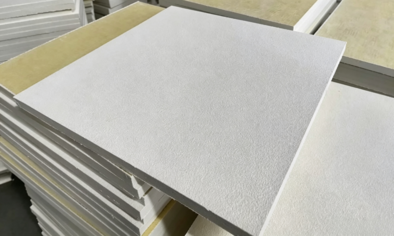
Uniform Matte Masking
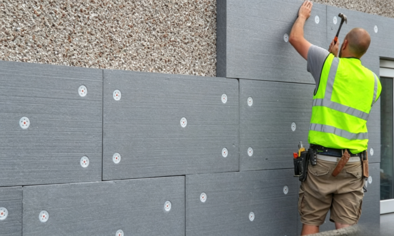
Hides the dark color of raw glass wool or rockwool completely. Gives panels a clean finish.
Instant Hot-Melt Grab
Drinks in water-based or hot-melt adhesives quickly without slipping on high-speed lines.
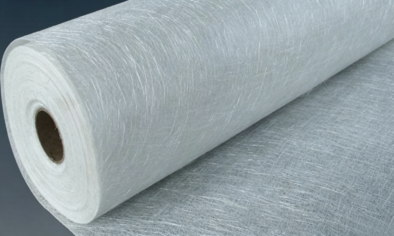
Tear-Resistant Roll Web
Handles continuous mechanical pull tension without snapping, wrinkling, or stretching.
Technical Specifications Table
| Technical Parameter | Standard Value | Testing Basis | Engineering Purpose |
| Area Weight | 70 g/m² ± 6% | ISO 3374 | Guarantees consistent thickness and reliable sound dampening across the panel. |
| Air Permeability | 1200 L/m²/s | EN ISO 9237 | Allows sound waves to pass into the wool core instead of bouncing off the face. |
| Tensile Strength (MD) | ≥ 280 N/50mm | ISO 3342 | Prevents web snap when automatic unwinding line tension spikes. |
| Tensile Strength (CD) | ≥ 160 N/50mm | ISO 3342 | Stops edge splitting when folding tissue over the panel corners. |
| Moisture Content | ≤1.0 | ISO 3344 | Stops hot-steam blistering inside the continuous lamination press. |
Specialized Warehouse & Environmental Management
1
Temperature Range
Keep rolls inside a dry room between 15°C and 35°C.
2
Humidity Limits
Maintain relative humidity below 65% to stop the fibers from taking on water.
3
Stacking Security
Do not stack rolls flat on their side; store them upright on pallets up to 2 levels max.
Global Supply Chain Securement
Roll & Core Construction: Wound on ultra-stiff 3-inch heavy paper cores to stop roll center collapse during transit.
Sealed Barrier Packaging: Every roll is sealed inside a thick PE bag with moisture absorbers to block sea humidity.
Anti-Shifting Loading: Pallets are secured with sturdy plastic corner guards and packed with heavy-duty dunnage airbags inside the container.
Technical Q&A
Q: How does SAAT70 keep its acoustic rating if we apply glue across the whole face?
A: Do not spray a solid sheet of glue. Use a scatter-coating system or fine hot-melt web spray. Because SAAT70 uses a modified acrylic binder, it resists deep glue wet-out. The adhesive sticks only to the surface points, leaving the micro-pores open to swallow sound waves.
Q: We use dark rockwool cores. Will the yellow or black color bleed through this 70g/m² tissue?
A: No. The fiber structure of SAAT70 is deliberately scattered to optimize opacity. It stops light reflection and covers dark backing colors well. If you are using very dark slag wool, we offer a dedicated jet-black dyed version of this model.
Q: Can we store opened rolls on the shop floor for a few weeks?
A: We do not recommend it. Raw glass tissue acts like a sponge for ambient shop moisture. If you leave a roll open for over 48 hours, the edges will soften. Wrap the roll back tightly in its PE bag if your line shuts down for more than one shift.