


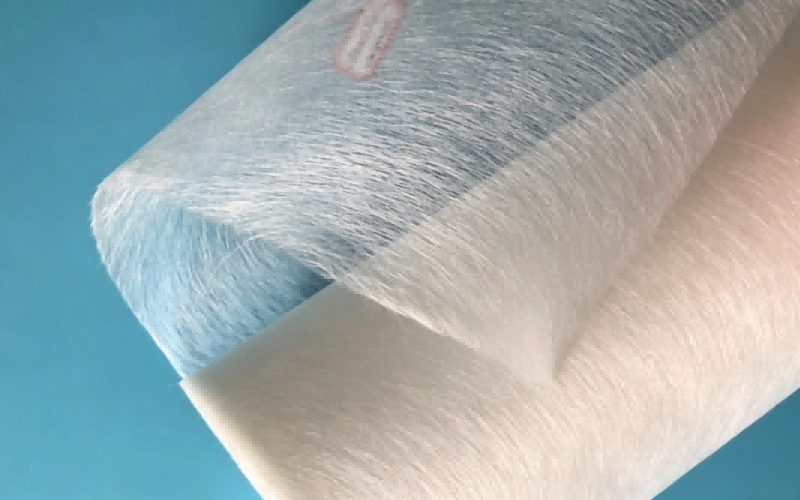
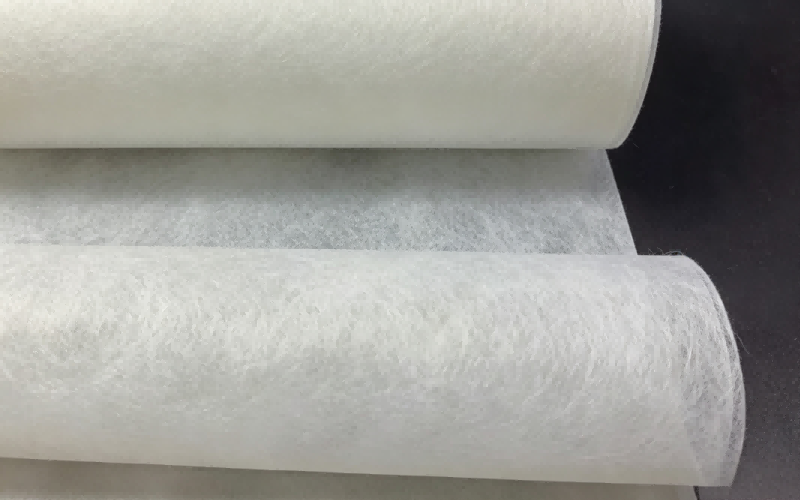
SACT40 Fiberglass Carpet Tissue (40g/m²)
SACT40 serves as a robust support structure, ensuring the material retains its shape under load and preventing asphalt bleed-through; this reduces material waste by up to 15% and enables faster paving speeds.
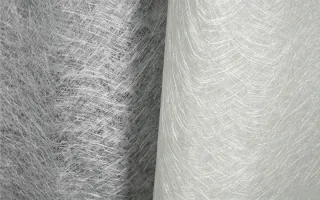
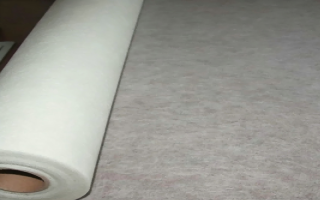
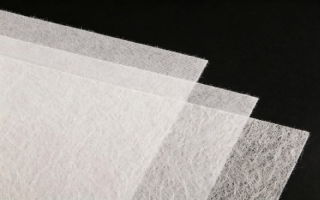
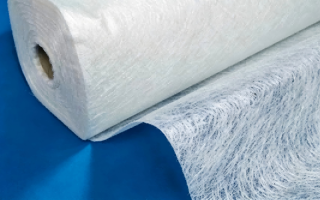
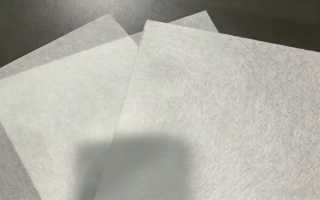
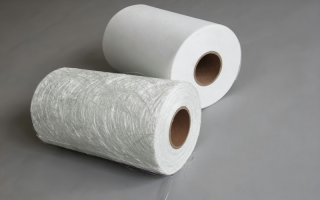
SACT40 Fiberglass Carpet Tissue (40g/m2)
Stabilizes Bituminized Backs. Zero Shrinkage.
SAXOBRAN®: We design this 40g/m² fiberglass tissue specifically for heavy bitumen and PVC backing lines. Our team found that unstable carrier webs cause massive tile curling after die-cutting. SACT40 fixes this. It acts as a rugged backbone that holds its size under tension, stops bitumen bleed-through, and cuts material waste by up to 15%. Your line runs faster, and your tiles stay perfectly flat on the floor.
Industrial Pain Points Solved
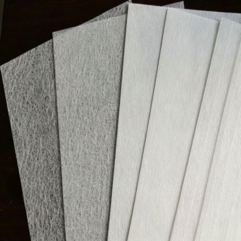
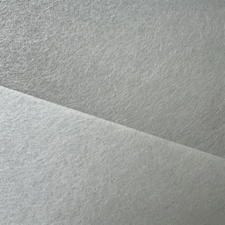
Edge Curling After Die-Cutting
Cheap carrier tissue shrinks unevenly when hit by hot bitumen (160℃-180℃). Once the carpet tile cools and is die-cut, the edges lift up, creating unsellable, warped stock.
With a heat shrinkage rate of less than 0.1%, the fabric remains completely stable at temperatures up to 200°C. It lays flat, and the balanced multi-layer backing structure ensures the finished carpet tiles lie perfectly flat.
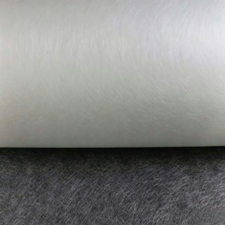
Bitumen Bleed-Through and Line Stoppage
Substrates with uneven pore structures let hot bitumen seep through to the face yarn or contaminate the line rollers, forcing workers to stop the machine for cleanup.
The enclosed, dense fiber network prevents hot liquid from leaking upwards. Protect your production line equipment from clogging and extend uptime during continuous shifts.
Engineered Characteristics
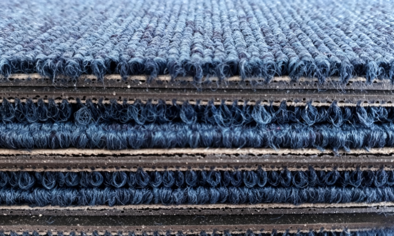
Uniform Bitumen Masking
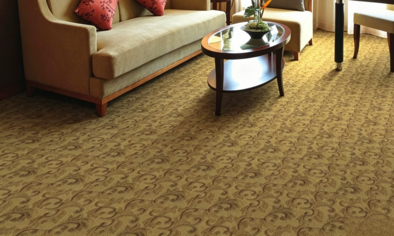
Provides a dense, consistent barrier that hides backer blackness and prevents bleed-through to the decorative layers.
Rapid Binder Wet-Out
The surface sizing is highly compatible with hot bitumen and PVC plastisols, ensuring instant bonding without air pockets.
High Tensile Web Stability
Withstands high inline pulling tension on automated coating machinery without micro-cracking or tearing.
Technical Data Sheet
| Technical Parameter | Standard Value | Testing Basis | Engineering Purpose |
| Area Weight | 40g/m2±6% | ISO 3374 | Guarantees raw material consistency and precise coating yield calculations. |
| Tensile Strength (MD) | ≥120N/50mm | ISO 3303 | Prevents web snapping under tight mechanical tension on the coating line. |
| Tensile Strength (CD) | ≥80N/50mm | ISO 3303 | Resists cross-direction tearing during high-speed tile die-cutting. |
| Moisture Content | ≤1.0% | ISO 3344 | Prevents pinholes and steam bubbles when hot bitumen hits the wet tissue. |
| Ignition Loss(LOI) | ≤25% | ISO 1887 | Confirms correct binder volume for optimal stiffness and flexibility balance. |
Processing, Packaging & Logistics Quality
1
Temperature Range
Store in a clean, dry room at temperatures between 15°C and 35°C.
2
Humidity Limits
Maintain relative humidity between 35% and 65% to prevent moisture uptake.
3
Stacking Security
Do not stack pallets more than 2 layers high to protect roll roundness.
Global Supply Chain Securement
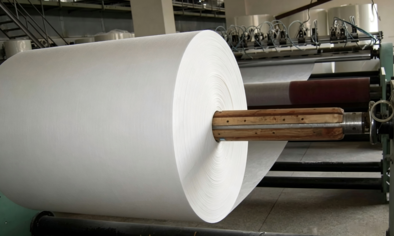
Roll & Core Construction: Heavy-duty thick cardboard cores prevent inner collapse under transport weight.
Sealed Barrier Packaging: Every roll is tightly wrapped in thick PE stretch film to lock out sea moisture.
Anti-Shifting Loading: Pallets are strapped tightly with edge protectors and packed into containers with air bags to eliminate shifting during sea freight.
Technical Q&A
Q: How does SACT40 differ from standard fiberglass tissues used for roofing?
A: Roofing tissue is designed for high permeability to soak up tar. SACT40 carpet tissue uses a denser fiber matrix and a specific chemical binder. This formulation prioritizes dimensional stability and blocks liquid penetration, preventing bitumen from rising up into the yarn.
Q: We see minor wrinkles when feeding the tissue at high tension. How do we fix this?
A: SACT40 is stiffened for flat backing. Wrinkling usually means your brake tension is too high or the feed rollers are misaligned. We recommend lowering the unwind tension to the minimum required level and using a bowed/expander roller right before the bitumen coating head.
Q: What is the shelf life if we leave a roll half-used on the workshop floor?
A: If left open in a humid workshop, the glass fibers can absorb ambient moisture within 48 hours, which might cause blistering when it hits hot bitumen. If you stop production, wrap the remaining roll tightly in PE film. Sealed rolls last 12 months.