


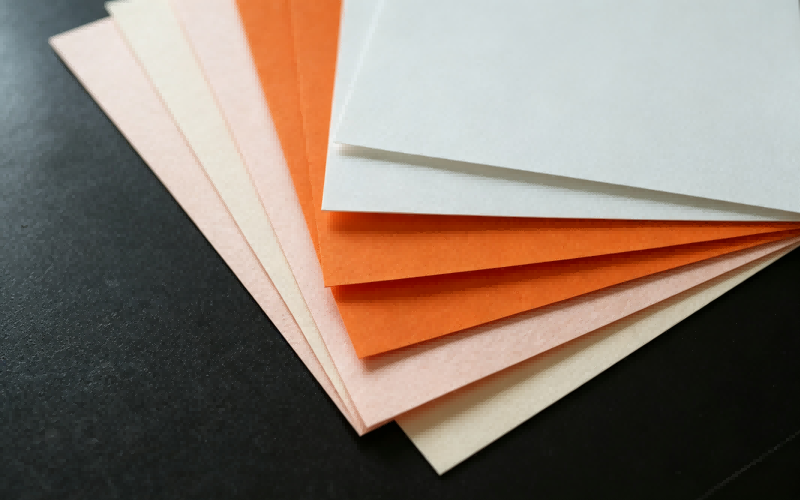
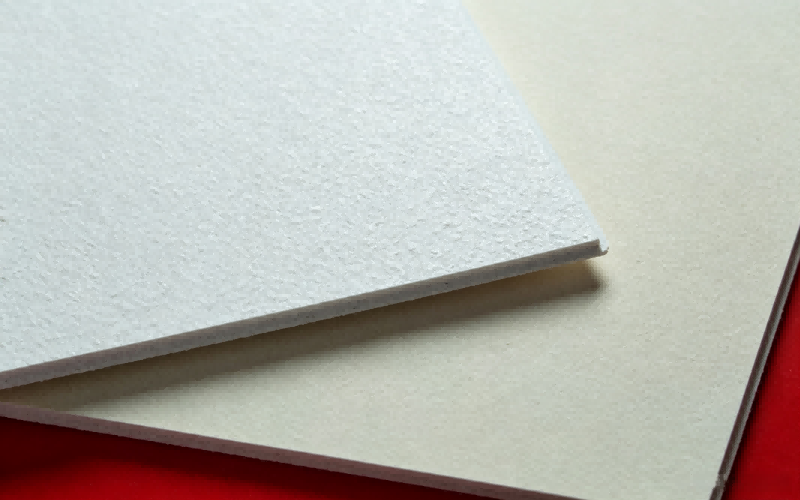
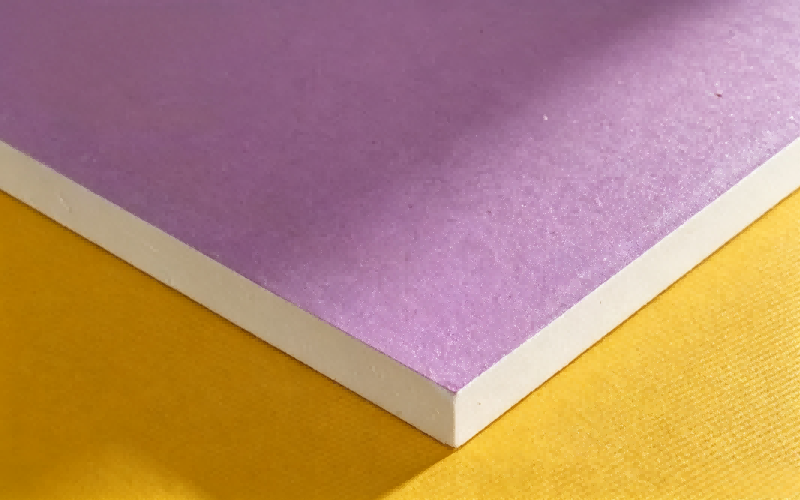
SACFT200 Fiberglass Coated Facing Tissue (200g/m²)
The thickened surfacing layer forms a tough exterior that is both water- and fire-resistant while reducing adhesive consumption. It helps increase production line speeds, lower the scrap rate, and ensure the boards remain flat.
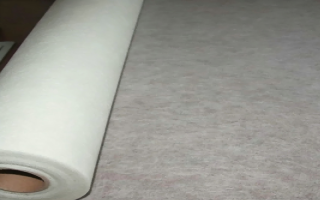
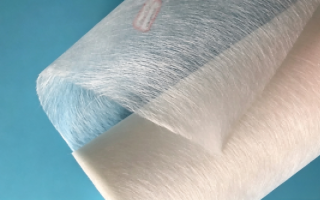
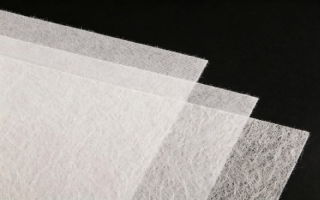
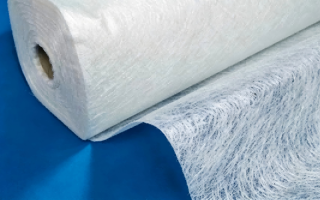
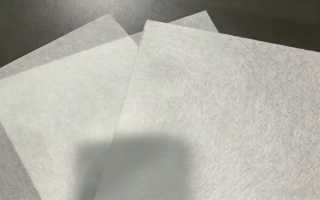
SACFT200 Fiberglass Coated Facing Tissue (200g/m²)
Stops fire. Shields glass fiber. Bonds tight. No wrinkles.
SAXOBRAN® We design this heavy 200g/m² coated tissue for high-grade gypsum boards and wall panels. Our team found that standard facings tear under heavy slurry weight or let moisture bleed through. This thick grade creates a tough skin that blocks water, stops fire, and saves glue. It helps your line run faster, drops scrap rates, and keeps boards flat.
Industrial Pain Points Solved.
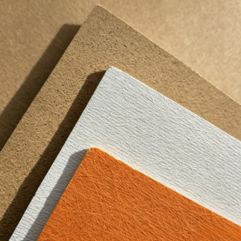
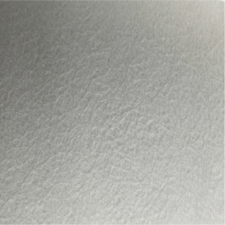
Slurry Bleed-Through and Face Wrinkling
Wet gypsum slurry leaks through thin tissue on the line. It sticks to your forming rollers, stops production, and leaves ugly wrinkles on the board skin.
We seal the pores with a tight mineral layer to block wet slurry leaks.Your boards pass smoothly through rollers without sticky buildup or surface skin wrinkles.
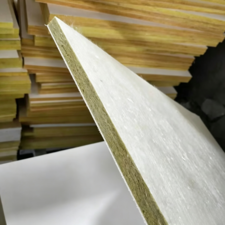
High Heat Cracking and Edge Tearing
The drying kiln runs hot. Low-grade tissues shrink, snap at the board corners, and ruin your finished stack.
The robust fiberglass effectively stabilizes the assembly, ensuring it remains steady even under immense tensile force. During high-temperature drying, the board's edges remain crisp and its shape stays intact.
Engineered Characteristics
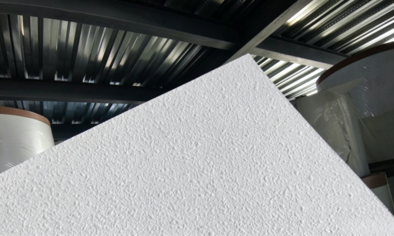
Total Fiber Masking
Completely hides raw board cores. Gives a clean white finish that needs less paint.
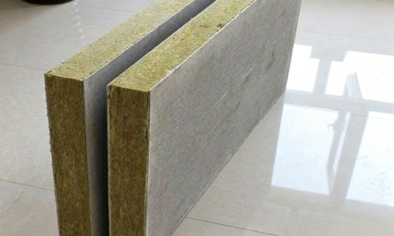
Quick Wet-Out Grab
Bonds instantly with wet gypsum or core glue without bubbling up or moving.
High Tension Survival
Stays straight and flat under continuous automatic pulling forces on rapid lines.
Technical Specifications Table
| Technical Parameter | Standard Value | Testing Basis | Engineering Purpose |
| Total Weight | 200 g/m² ± 5% | ISO 3374 | Guarantees exact board thickness and reliable impact protection. |
| Tensile Strength (MD) | ≥ 350 N/50mm | ASTM D5035 | Stops web snaps when automatic pulling clamps pull the roll fast. |
| Tensile Strength (CD) | ≥ 200 N/50mm | ASTM D5035 | Prevents edge cracks when wrapping around board corners. |
| Water Absorption | ≤ 15 g/m² | EN 20535 (Cobb) | Stops wet boards from sagging before they hit the dryer kiln. |
| Fire Classification | Class A2-s1,d0 | EN 13501-1 | Passes strict commercial building codes for fireproof walls. |
Processing, Packaging & Logistics Quality
1
Temperature Range
Keep in a dry room between 10°C and 40°C.
2
Humidity Limits
Keep humidity below 70% to stop core softening.
3
Stacking Security
Stack rolls vertically up to 2 levels only to avoid flat spots.
Global Supply Chain Securement:
Roll & Core Construction: Wound on tough 3-inch steel-rimmed paper cores that do not crush under weight.
Sealed Barrier Packaging: Wrapped inside thick PE bags with silica gel packs to block sea moisture.
Anti-Shifting Loading: Strapped flat on thick wooden pallets with foam corner guards and container air bags.
Technical Q&A
Q: Why use a 200g/m² coated grade instead of a basic 50g/m² glass veil?
A: Basic veils are thin and porous. They let heavy gypsum slurry bleed right through onto your machinery. The 200g/m² grade adds a thick mineral barrier. This stops leaks, gives fire protection, and makes the board strong enough for exterior walls.
Q: How do we get the best adhesion on high-speed continuous lamination lines?
A: Run your wet slurry mix with a standard water-retention agent. This stops the core from drying out too fast. For external glue systems, use a roller coater to apply a thin layer. The tissue grabs fast under normal line pressure.
Q: What must we do with a half-used roll when the shift ends?
A: Put the original PE wrap back over the roll and tape it shut. If left open to high shop humidity overnight, the edges absorb moisture. This can cause minor tracking issues or wrinkling when you restart the line next morning.