


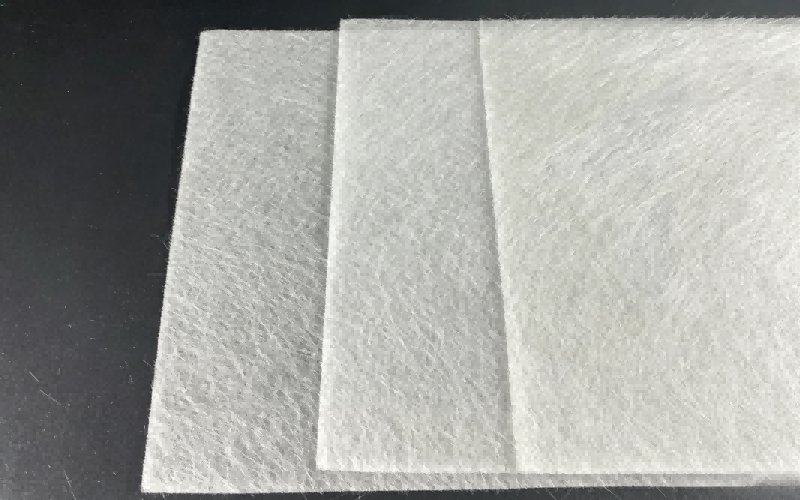
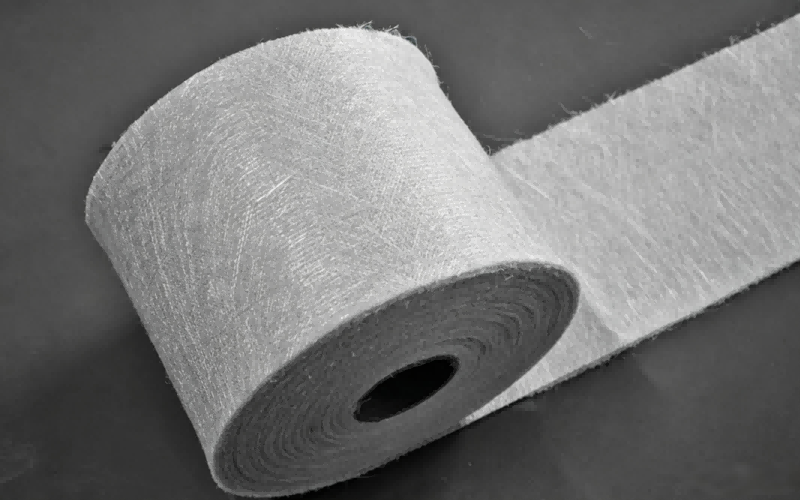
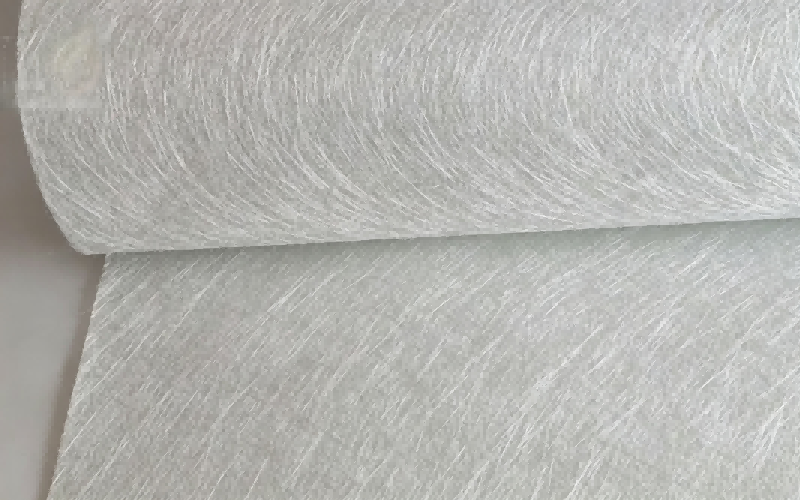
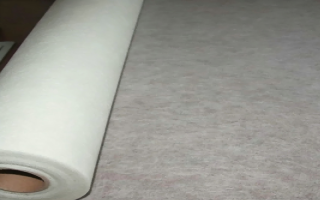
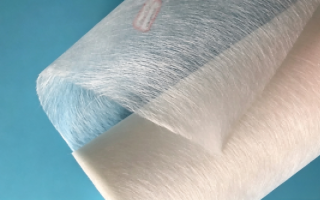
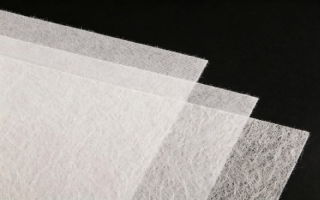
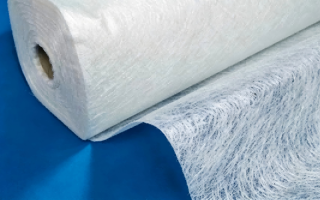
SACM300-C CHEMICAL & ANTI-CORROSION TISSUE (300g/m²)
We found that low-grade veils leave tiny dry pinholes on tank surfaces, causing chemical leaks. SACM300-C builds a thick, rich resin layer on inner and outer tank walls to stop acid attack and cut down manufacturing scrap rates.
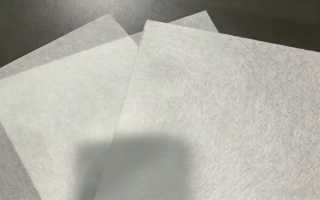
SACM300-C CHEMICAL & ANTI-CORROSION TISSUE (300g/m²)
Blocks chemical leaks. Stops surface cracking.
SAXOBRAN® Our team designed SACM300-C because we saw many chemical tank builders lose money when acid corroded raw glass linings. We found that low-grade veils leave tiny dry pinholes on tank surfaces, causing chemical leaks. SACM300-C builds a thick, rich resin layer on inner and outer tank walls to stop acid attack and cut down manufacturing scrap rates.
Industrial Pain Points Solved.
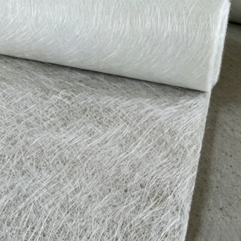
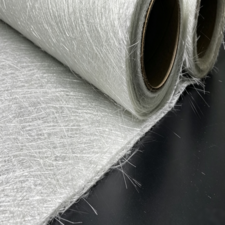
Acid Seepage and Tank Leaks
Raw chemical fluids eat through poorly protected glass tank liners over time. This causes toxic fluid leaks, ruins structural tank walls, and forces expensive field repairs or complete replacement shutdowns.
We build a dense 300g/m² glass barrier that holds a 90% resin-to-glass ratio on the tank surface. It locks out aggressive chemicals and seals the liner against fluid seepage.
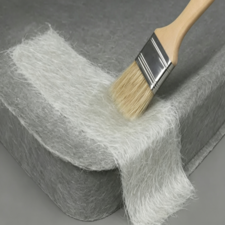
Air Pockets and Gelcoat Fraying
Coarse surface veils do not wet out completely, trapping micro-bubbles in corners. When the tank fills, these hidden air pockets crack under liquid weight, peeling away the surface layer.
The open fiber layout lets resin saturate the mat in under 12 seconds.It expels trapped air completely during rollup, forming a solid, bubble-free wall.
Engineered Characteristics
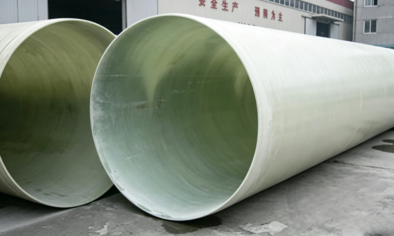
Thick Corrosion Barrier
Creates a pure, glass-reinforced resin shield that protects structural fiber layers from direct contact with industrial chemical fluids.
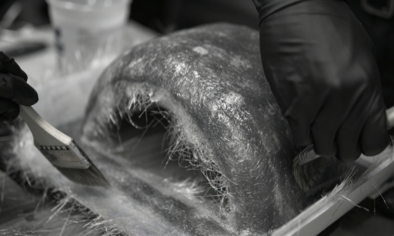
Rapid Vinyl Ester Bonding
Dissolves binders fast when contact is made with styrene, ensuring an instant bond with vinyl ester, polyester, and epoxy resins.
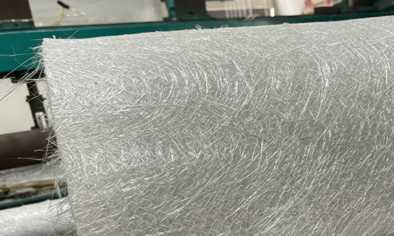
High Roll-Pull Stability
Withstands steady mechanical pulling tension on winding machines without fuzzing, fraying, or splitting open on the rollers.
Technical Data Sheet
| Technical Parameter | Standard Value | Testing Basis | Engineering Purpose |
| Area Weight (Grammage) | 300 g/m² (±5%) | ISO 3374 | Secures a reliable, thick corrosion barrier layer on tank walls. |
| MD Tensile Strength | ≥320 N/50mm | ISO 3342 | Prevents web tears when tension rollers pull tissue onto large tanks. |
| Resin Wet-Out Time | ≤12 seconds | ASTM C613 (mod) | Guarantees speedy, total saturation to stop air bubble traps. |
| Loss on Ignition (LOI) | ≤5.5% | ISO 1887 | Keeps fibers stiff enough for machine feeding but soft enough to curve. |
| Glass Type | C-Glass | ASTM C162 | Provides high chemical resistance against acid and alkaline media. |
| Moisture Content | ≤ 0.2% | ISO 3344 | Prevents curing problems and pinholes caused by water in the glass. |
Processing, Packaging & Logistics Quality
1
Temperature Range
Keep rolls in dry storage rooms with temperatures between 10°C and 35°C.
2
Humidity Limits
Maintain relative humidity levels below 70% to avoid wet fiber clumping.
3
Stacking Security
Limit pallet stacking to a maximum of 2 layers to avoid squashing the roll cores.
Global Supply Chain Securement
Roll & Core Construction: Wound tightly around heavy-duty 3-inch solid paper tubes to prevent roll warping.
Sealed Barrier Packaging: Sealed inside a thick, moisture-proof PE bag to keep out sea humidity during shipping.
Anti-Shifting Loading: Packed on heavy wooden pallets with rigid corner boards and tight nylon strapping bands.
Technical Q&A
Q: Why should we choose this 300g/m² tissue over a standard light 30g/m² surface veil?
A: Light 30g veils are only for cosmetics to stop fiber print-through. SACM300-C is a structural chemical barrier. It holds up to ten times more anti-corrosion resin on the tank face, creating a heavy protective shell that standard thin veils cannot match.
Q: Does this tissue handle hot, concentrated sulfuric acid storage applications?
A: Yes, when used with the right resin. SACM300-C uses high-grade C-glass fibers which resist acid corrosion. You must pair it with a premium novolac epoxy vinyl ester resin to handle hot, concentrated acids safely.
Q: What happens if we use SACM300-C rolls that accidentally got damp in our workshop?
A: Moisture cuts down resin adhesion by over 40%. It stops the vinyl ester from cross-linking properly with the glass, leading to premature delamination and liner failure under chemical load. Keep the PE wrapping on until you put the roll on the machine.