


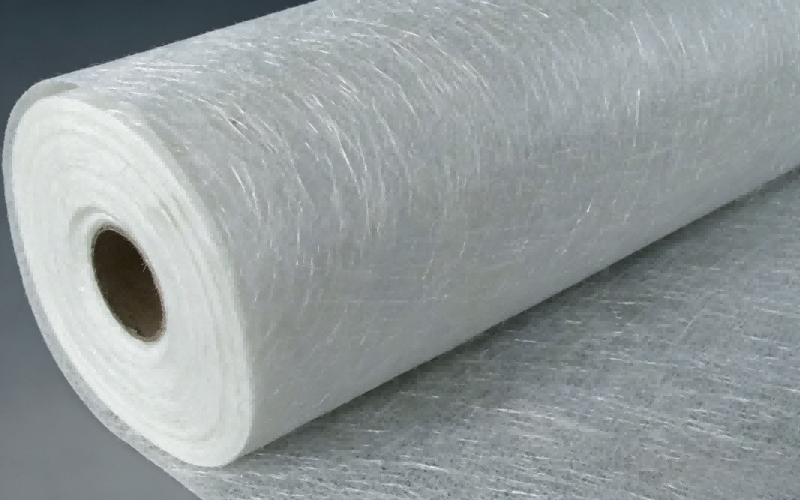
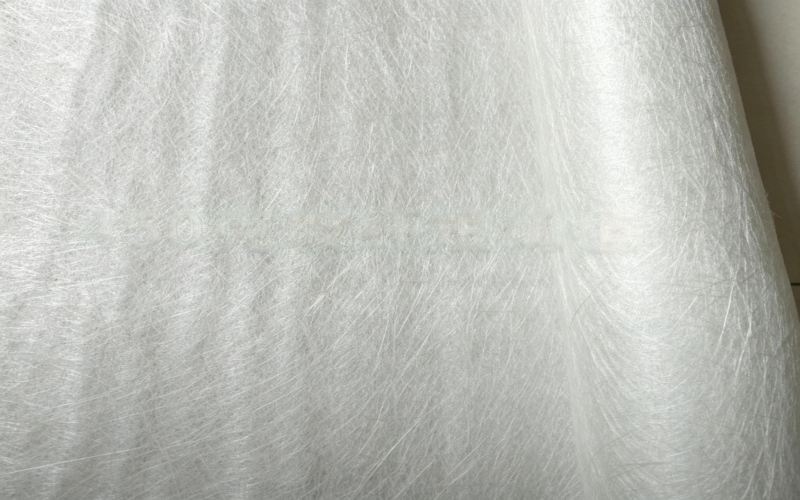
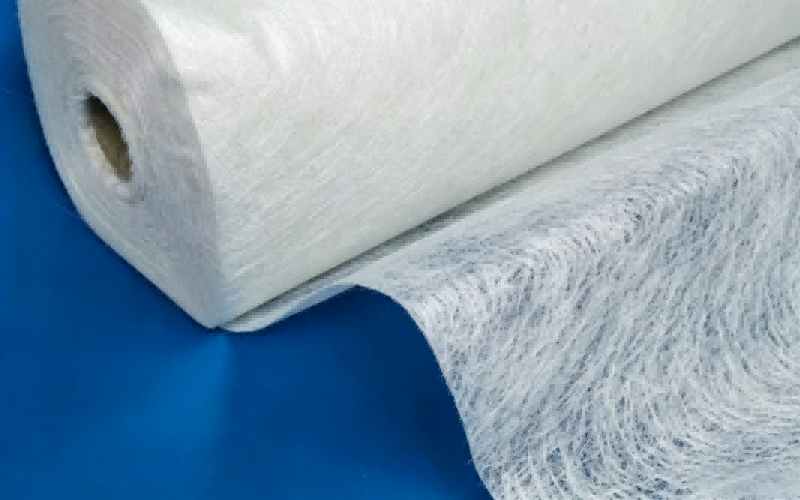
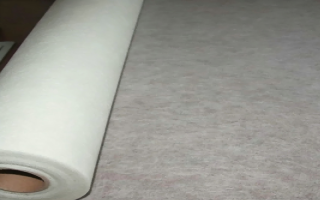
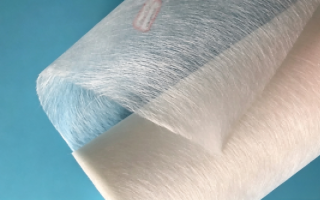
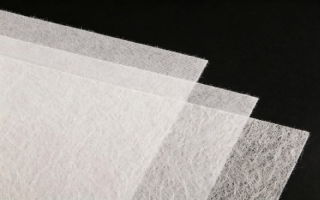
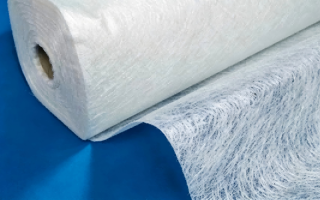
SACM300-M MARINE & TRANSPORTATION TISSUE (300g/m²)
We found that low-grade mats trap air bubbles, leading to dry spots and gelcoat blistering. SACM300-M uses a dense, uniform 300g/m² fiberglass matrix to block water, stop osmotic blisters, and cut down laminating waste in your boatyard.
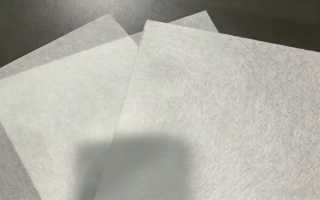
SACM300-M MARINE & TRANSPORTATION TISSUE (300g/m²)
Stops hull leaks. Fast resin wet-out.
SAXOBRAN® Our team designed SACM300-M because we saw boat builders struggle with thin skins that let water seep into the laminate over time. We found that low-grade mats trap air bubbles, leading to dry spots and gelcoat blistering. SACM300-M uses a dense, uniform 300g/m² fiberglass matrix to block water, stop osmotic blisters, and cut down laminating waste in your boatyard.
Industrial Pain Points Solved
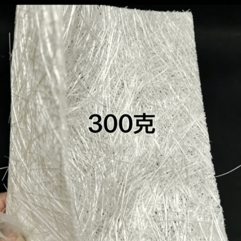
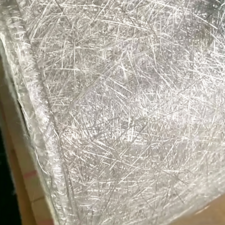
Osmotic Blistering & Water Seepage
Saltwater penetrates weak fiberglass laminates over time, creating blisters behind the gelcoat. This weakens boat hulls, destroys structural stiffness, and causes expensive marine warranty claims.
We pack 300g/m² of uniform, non-porous glass strands to form a tight, protective moisture barrier behind your gelcoat.It blocks saltwater penetration and prevents osmotic blister growth for the life of the vessel.
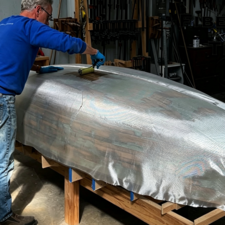
Dry Spots and Resin Starvation
Coarse glass mats absorb resin too slowly or unevenly, leaving dry air pockets inside your fiberglass hull layup. Under high waves, these hollow spots crack, delaminate, and leak.
The tissue uses a fast-dissolving powder binder that wets out in less than 15 seconds. Resin spreads completely through the fiber matrix, leaving zero dry zones or air pockets.
Engineered Characteristics
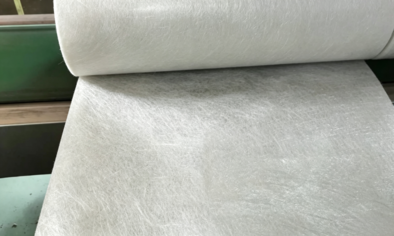
Smooth Print-Through Blocking
Mask heavy structural glass fabrics underneath to give your boat hulls a smooth, paint-ready outer finish with no print-through.
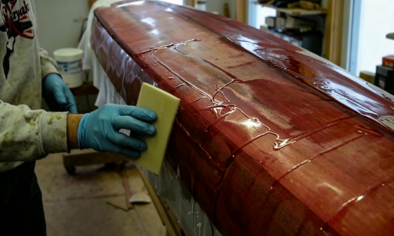
Rapid Resin Absorption
Absorbs polyester, vinyl ester, and epoxy resins instantly to save layup time and keep your laminators moving.
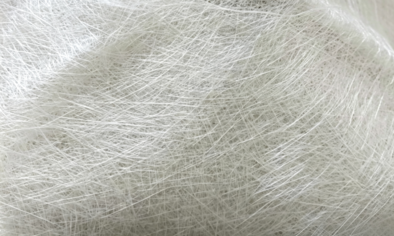
Mold-Conforming Flex
Drapes easily over complex hull curves, sharp steps, and deep corners without spring-back or lifting during cure.
Technical Specifications Table
| Technical Parameter | Standard Value | Testing Basis | Engineering Purpose |
| Area Weight (Grammage) | 300 g/m² (±6%) | ISO 3374 | Maintains constant resin-to-glass ratio and wall thickness |
| Tensile Strength (MD) | ≥350 N/50mm | ISO 3342 | Stops ripping when pulling and rolling out wet mats over hull molds |
| Wet-Out Time | ≤45 seconds | ISO 3374 (modified) | Guarantees fast, complete resin saturation with zero dry spots |
| Moisture Content | ≤1.0% | ISO 3344 | Prevents curing delay and bond failures in wet workshops |
| Loss on Ignition (LOI) | ≤6.0% | ISO 1887 | Ensures the powder binder dissolves fast under resin without weakening the bond |
| Binder Type | Powder (Soluble) | In-House Standard | Delivers maximum drape and instant wet-out in marine layup |
Processing, Packaging & Logistics Quality
1
Temperature Range
Keep rolls in a dry, cool warehouse between 5°C and 35°C.
2
Humidity Limits
Maintain relative humidity below 65% to stop the powder binder from clumping.
3
Stacking Security
Stack pallets no more than 2 layers high to keep the rolls perfectly round.
Global Supply Chain Securement
Roll & Core Construction: Every roll is wound on a heavy-duty 3-inch cardboard core to prevent crushing.
Sealed Barrier Packaging: Wrapped tightly in thick, heat-sealed PE film to block sea salt and moisture during transport.
Anti-Shifting Loading: Shipped on strong wooden pallets with edge guards and plastic strapping for safe container shipping.
Technical Q&A
Q: Can we use SACM300-M directly with epoxy resins for lightweight hulls?
A: Yes, but you must monitor your wet-out speed. The powder binder on SACM300-M is optimized to dissolve rapidly in styrene monomer (found in polyester and vinyl ester resins). With epoxy, wet-out will take slightly longer, but the glass fibers will still saturate fully with proper roller rolling.
Q: How does SACM300-M help block glass print-through on the hull gelcoat?
A: The 300g/m² density acts as a thick, uniform buffer layer. By laying SACM300-M directly behind the gelcoat, you stop the coarse, heavy fibers of subsequent roving mats from showing through on the finished hull surface.
Q: What is the risk of using SACM300-M rolls that have been left open in a damp boatyard?
A: Open glass tissue will absorb ambient humidity. When laminating, this moisture gets trapped between the glass and the resin. This trapped water will cause curing failure and lead directly to osmotic blisters once the boat enters the water. Always keep rolls sealed in PE film until you are ready to laminate.