


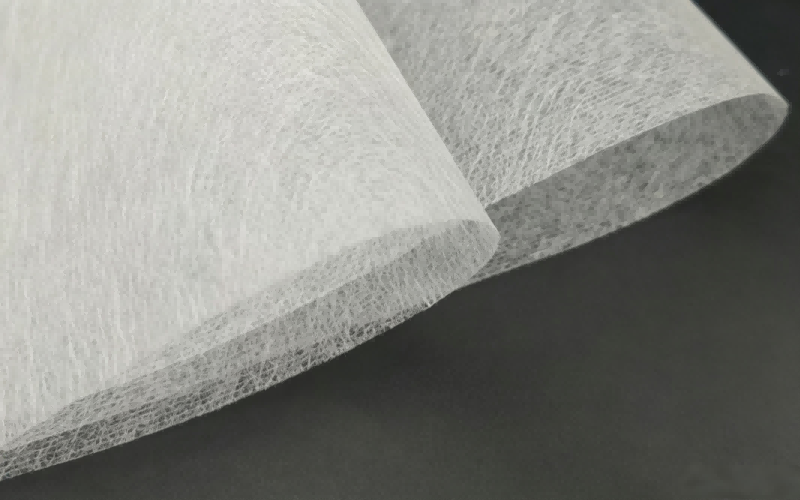
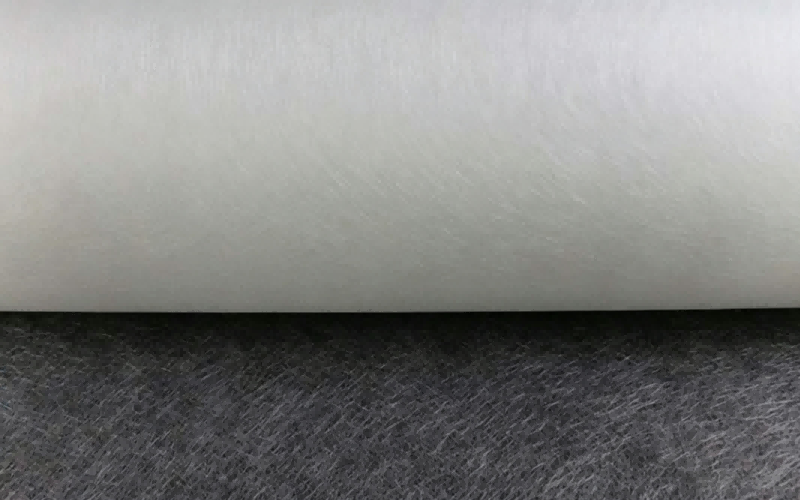
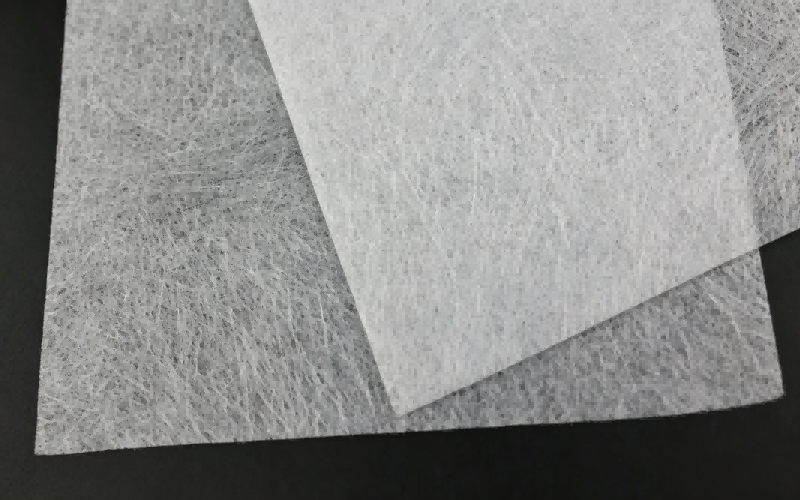
SAFTU5O Fiberglass Facing Tissue (50g/m2)
The 50g fiberglass facing mat features a dense, uniform fiber structure that effectively blocks dust while maintaining sufficient porosity for adhesive penetration, reducing adhesive waste by 15%.
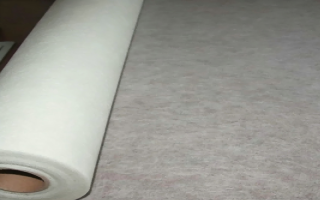
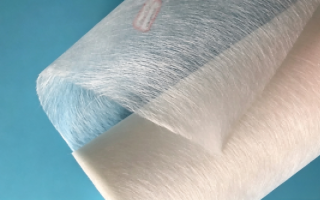
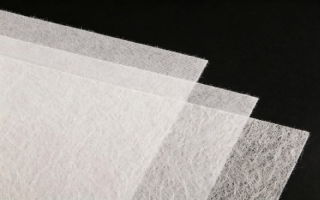
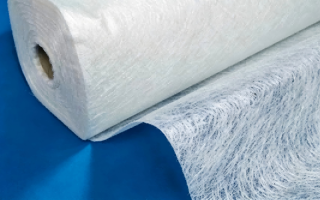
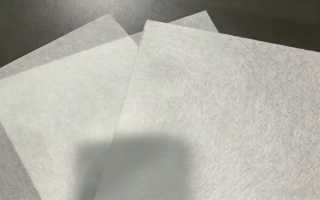
SAFTU5O Fiberglass Facing Tissue (50g/m2)
Smooth surface. No fiber bleed-through. Fast bonding.
SAXOBRAN® We design this 50g/m2 fiberglass facing tissue for direct bonding with mineral wool, gypsum boards, and glass walls. Our team found that traditional veils often allow loose fibers to puncture the surface during lamination, leading to rough spots and rejected batches. This grade uses a tight, flat fiber layout to block dust while maintaining open porosity for glue wet-out. It helps your line run faster, reduces adhesive waste by 15%, and keeps your finished panels smooth and clean.
Industrial Pain Points Solved
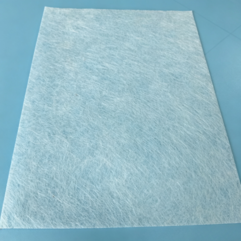
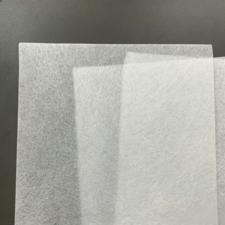
Fiber Bleed-Through and Rough Spots
Loose glass fibers poke through thin decorative coatings or paint. This ruins the surface look of your interior panels, causes skin irritation for installers, and leads to costly customer returns.
We lock the individual glass filaments tightly using a cross-linked binder system. It forms a clean barrier that stops wool dust and stray glass fibers from passing through to the visible side.
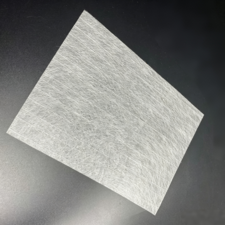
Glue Delamination Under High Heat
Standard tissues absorb glue unevenly. During the hot-pressing of gypsum or mineral wool boards, dry spots form, causing the tissue to peel or bubble later.
SAFTU5O provides immediate and uniform wetting across the entire surface. It maintains excellent adhesion without peeling even in dry environments with temperatures reaching up to 180°C.
Engineered Characteristics
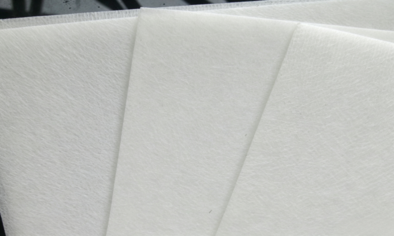
High Surface Opacity
Blocks the dark color and rough texture of underlying mineral wool, saving you a coat of primer or paint.
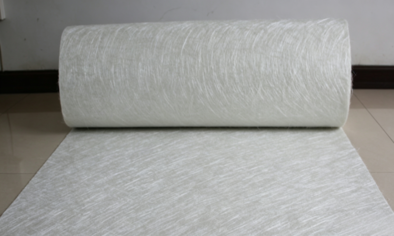
Rapid Glue Wet-Out
Works perfectly with standard water-based adhesives and hot-melts, cutting down your line waiting time.
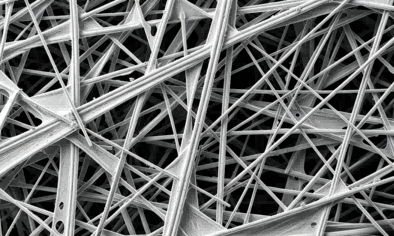
Tension-Resistant Web
Maintains its dimensions and resists tearing when pulled through high-speed automatic laminators.
Technical Data Sheet
| Technical Parameter | Standard Value | Testing Basis | Engineering Purpose |
| Area Weight | 50g/m2±6% | ISO 3374 | Ensures uniform material thickness and consistent paint consumption. |
| Tensile Strength (MD) | ≥150N/50mm | ISO 3303 | Prevents web snap and web tearing under high inline machine pull. |
| Tensile Strength (CD) | ≥120N/50mm | ISO 3303 | Resists edge cracking when wrapping around board corners. |
| Binder Content | 18%-22% | ISO 1887 | Guarantees the tissue will not soften or lose shape in wet glue lines. |
| Moisture Content | ≤1.0 | ISO 3344 | Prevents steam blistering when entering the hot-press section. |
Processing, Packaging & Logistics Quality
1
Temperature Range
Store in a dry, covered area between 15℃ and 35℃
2
Humidity Limits
Stabilized accurately within 65% RH to eliminate moisture absorption risks.
3
Stacking Security
Pallets must never exceed 2 layers high to protect rolls from compression deformation.
Global Supply Chain Securement:
Roll & Core Construction: Wound on heavy-duty, crush-proof paper cores (3-inch internal diameter).
Sealed Barrier Packaging: Each roll is tightly wrapped in heavy-gauge PE film to block moisture during sea transit.
Anti-Shifting Loading: Secured on sturdy wooden pallets with protective corner boards and dunnage airbags inside the container to stop shifting.
Technical Q&A
Q: How does SAFTU5O differ from standard, cheaper glass veils on the market?
A: Cheaper veils focus only on weight, leading to random thin spots and loose fibers. SAFTU5O uses a modified binder that flattens the fiber profile. It closes off the gaps that allow fiber bleed-through while remaining porous enough to drink in the glue without pooling.
Q: How do we get the best bonding performance when laminating this to mineral wool?
A: Keep your adhesive viscosity between 1200 and 1800 mPa · s. Apply the glue evenly onto the wool surface first, then drop the tissue down. For hot presses, keep the roller temperature between 140℃ and 160℃ with moderate, steady pressure to avoid crushing the core wool.
Q: What is the shelf life of the roll once we open the original PE packaging?
A: Once opened, the tissue absorbs ambient shop moisture. We recommend using the roll within 72 hours of stripping the PE film. If your line stops for the weekend, wrap the remaining roll tightly back in plastic to prevent edge stiffening.