


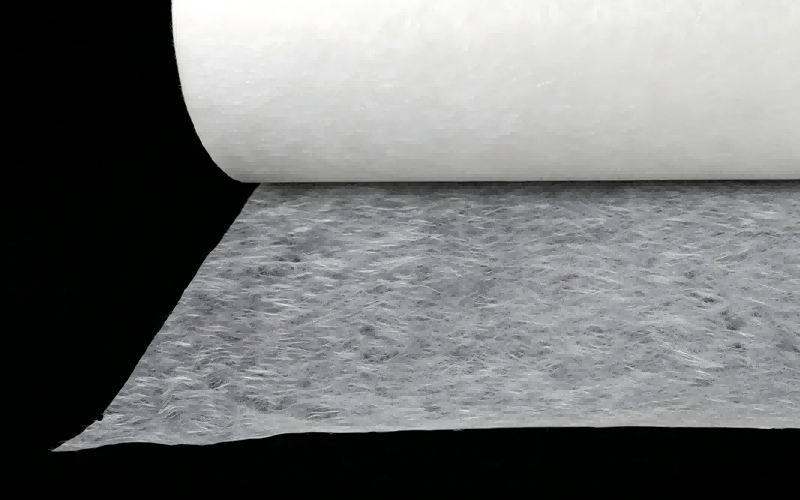
SACM300-P TRANSLUCENT PANEL TISSUE (300g/m²)
Low-grade mats turn yellow under UV rays, trap air bubbles in deep rib curves, and crack during continuous line pulling. SACM300-P uses a pure glass matrix to speed resin soak, keep light transmission above 85%, and stop panel cracking along sharp roof ribs.
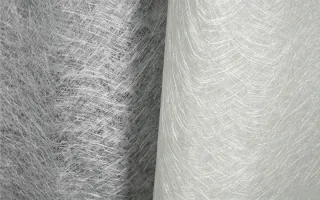
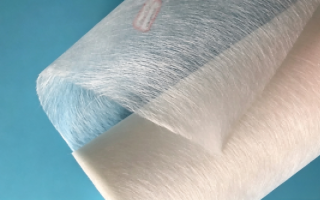
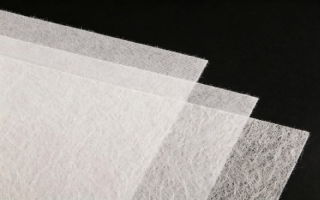
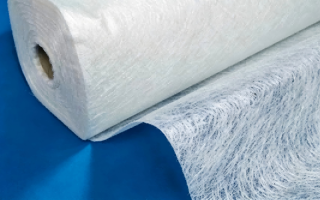
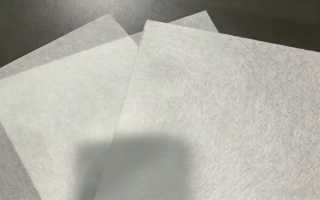
SACM300-P TRANSLUCENT PANEL TISSUE (300g/m²)
85% Light Pass. Zero Glass Shadow.
SAXOBRAN® Our team designed SACM300-P because we saw panel plants scrap roofing sheets when thick glass fibers block sunlight and leave yellow shadows. We found that low-grade mats turn yellow under UV rays, trap air bubbles in deep rib curves, and crack during continuous line pulling. SACM300-P uses a pure glass matrix to speed resin soak, keep light transmission above 85%, and stop panel cracking along sharp roof ribs.
Industrial Pain Points Solved
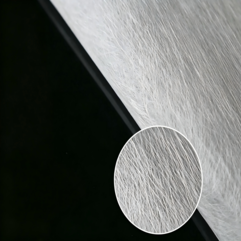
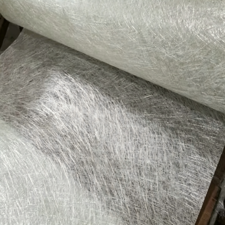
Low Light Transmittance and Yellow Fiber Shadows
Thick glass fiber bundles block natural sunlight inside factories. Coarse fibers leave dark grid shadows on roof panels and turn yellow fast under sun exposure.
Uses fine monofilament glass fibers that disappear inside liquid polyester resin.Delivers clear light transmission (≥85%) while blocking UV yellowing on industrial roofs.
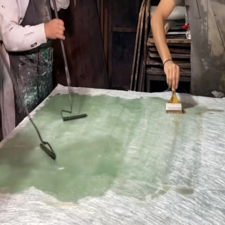
Air Trapping and Corner Cracking on Deep Roof Ribs
Heavy mat springs back at sharp rib corners during continuous panel forming. Trapped air bubbles turn into open voids, causing roof panels to leak and crack.
Formulated with rapid-dissolve binder for fast resin soak (≤25s wet-out).Flexes tight into deep rib shapes without spring-back, fiber breakage, or air pocket formation.
Engineered Characteristics
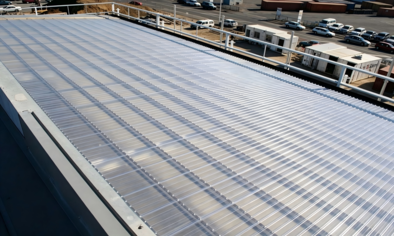
High Translucent Surface Finish
Disappears into resin matrix to provide clean natural daylighting without showing fiber clumps or dark shadows.
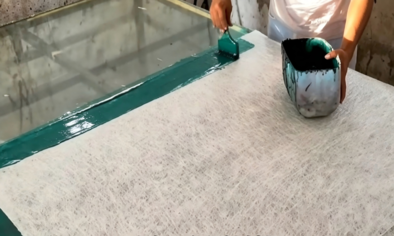
Rapid Resin Wet-Out
Soaks unsaturated polyester resin in under 25 seconds to prevent air voids along fast-moving continuous lines.
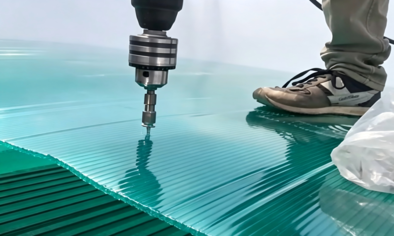
High Flex Moldability for Roof Ribs
Wraps smoothly around sharp trapezoidal roof ribs without cracking or pulling away from gelcoat surfaces.
Technical Specifications Table
| Technical Parameter | Standard Value | Testing Basis | Engineering Purpose |
| Unit Weight (Grammage) | 300 g/m² (±5%) | ISO 3374 | Maintains steady surface thickness to protect resin layers without blocking sunlight |
| LOI (Loss on Ignition) | ≤5.0% | ISO 1887 | Controls binder balance for fast resin soak and high web flexibility along roof ribs |
| Light Transmittance | ≥85% | ASTM D1003 | Verifies high light passage through cured polyester panel sheets |
| Wet-out Speed | ≤30 s | ISO 3374 (modified) | Ensures fast resin penetration on high-speed continuous panel production lines |
Processing, Packaging & Logistics Quality
1
Temperature Range
Store rolls in dry indoor rooms kept between 10°C and 30°C.
2
Humidity Limits
Keep relative humidity below 65%, so silane binders stay fresh.
3
Stacking Security
Do not stack pallets more than 2 layers high to keep paper cores round.
Global Supply Chain Securement
Roll & Core Construction: Wound tight on heavy-duty 3-inch solid paper cores to stop core crush during transit.
Sealed Barrier Packaging: Sealed in thick PE shrink film to block moisture, dust, and sea salt air.
Anti-Shifting Loading: Fixed on sturdy export pallets with protective corner guards and tight plastic strapping.
Technical Q&A
Q: What is the fundamental difference in design logic between this model and the standard or general-purpose models within this category?
A: Light surface veils (like 30g/m² or 50g/m²) only provide thin surface protection against fiber blooming. SACM300-P is a 300g/m² structural translucent tissue engineered specifically for deep roof ribs. It combines structural reinforcement with high light transmission (≥85%), allowing it to replace separate surface veils and structural mats on continuous panel lines.
Q: In actual operation, how can this model be utilized to achieve optimal performance?
A: Feed SACM300-P directly into your resin bath ahead of the forming rollers. Maintain resin temperature between 25°C and 35°C so polyester resin fully saturates the web within 25 seconds. Adjust line pulling tension evenly so the tissue wraps smoothly into deep rib channels without forming air voids.
Q: What are the shelf life and storage limitations after opening the original packaging?
A: Use the roll within 24 hours after removing the PE film seal. Glass tissue absorbs workshop moisture quickly in humid plants. Damp tissue slows down resin wet-out, leading to trapped air bubbles and cloudy spots on cured translucent panels. Always wrap open rolls back in PE film.