


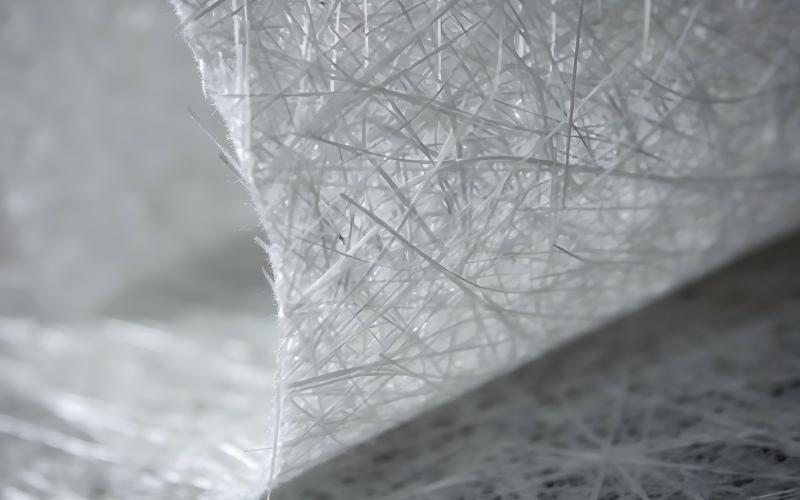
SACM450-CV CHEMICAL & ANTI-CORROSION TISSUE (450g/m²)
Standard veils dissolve in vinyl ester resin, leave dry pinholes, and delaminate under chemical pressure. SACM450-CV binds a heavy 450g/m² C-glass matrix to hold rich vinyl resin, seal pipe inner walls, and stop chemical leaks in harsh pipelines.
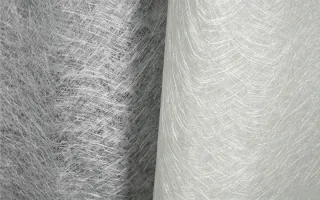
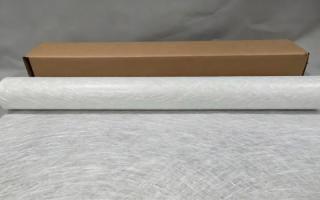
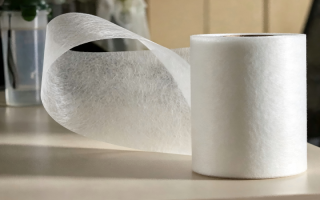
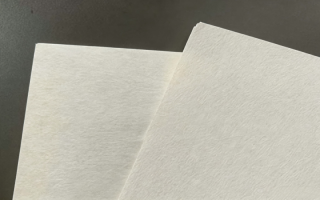
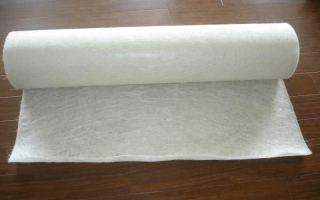
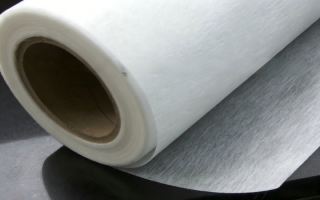
SACM450-CV CHEMICAL & ANTI-CORROSION TISSUE (450g/m²)
Stops Acid Leak. Zero Resin Delamination.
SAXOBRAN® Our team designed SACM450-CV because we saw chemical pipe plants scrap-wrapped spools when hot acids ate through poor inner liners. We found that standard veils dissolve in vinyl ester resin, leave dry pinholes, and delaminate under chemical pressure. SACM450-CV binds a heavy 450g/m² C-glass matrix to hold rich vinyl resin, seal pipe inner walls, and stop chemical leaks in harsh pipelines.
Industrial Pain Points Solved
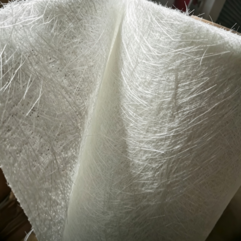
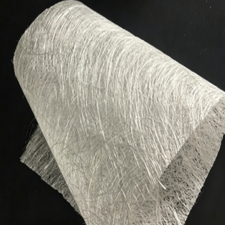
Acid Corrosion and Liner Delamination
Strong acids break down weak glass veils inside chemical pipes. The corrosion liner peels away, leaking chemical fluids and causing sudden pipe bursts.
Built with chemical C-glass fibers that resist acid attacks in 10% HCl and H₂SO₄ solutions.Locks resin inside a dense 450g/m² barrier layer to form a leak-proof liner.
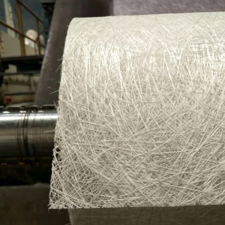
Slow Resin Wet-Out and Line Snapping
Thick tissue rolls drag on winding mandrels and wet out too slowly. Dry fibers create air voids, while heavy winding tension snaps cheap tissue.
Formulated with vinyl ester binder for rapid resin soak (≤30s wet-out).Pulls continuous high machine-direction tensile load (≥510 N/50mm) without line breaks.
Engineered Characteristics
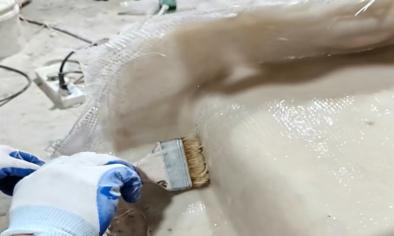
Resin-Rich Barrier Layer
Holds a high resin ratio on the inner wall to block acid penetration and keep chemical pipe liners smooth.
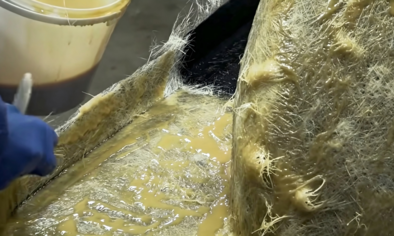
Vinyl Ester Affinity
Dissolves binder fast in vinyl ester resins to eliminate dry white spots and air pockets.
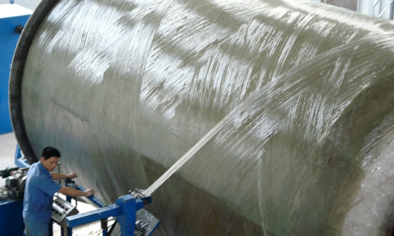
Winding Tension Stability
Pulls smooth around pipe mandrels without wrinkling, edge tearing, or web splitting.
Technical Specifications Table
| Technical Parameter | Standard Value | Testing Basis | Engineering Purpose |
| Unit Weight (Grammage) | 450 g/m² (±5%) | 450 g/m² (±5%) | Secures a thick resin-rich liner to block chemical leaks and acid attack |
| LOI (Loss on Ignition) | ≤4.5% | ISO 1887 | Controls binder content to balance rapid vinyl ester wet-out and web strength |
| MD Tensile Strength | ≥510 N/50mm | ISO 3342 | Stops web snapping on high-speed pipe filament winding mandrels |
| Acid Resistance | ≥98.5% | ASTM C165 | Verifies fiber stability after 24h soak in 10% HCl solution at 90°C |
Processing, Packaging & Logistics Quality
1
Temperature Range
Store rolls in dry indoor rooms kept between 10°C and 30°C.
2
Humidity Limits
Keep relative humidity below 65% so chemical binders stay fresh.
3
Stacking Security
Do not stack pallets more than 2 layers high to keep paper cores round.
Global Supply Chain Securement
Roll & Core Construction: Wound on heavy-duty 3-inch solid paper cores to stop core crush during shipping.
Sealed Barrier Packaging: Wrapped in thick PE stretch film to keep out humidity, dust, and sea salt air.
Anti-Shifting Loading: Fixed on export wooden pallets with corner guards and tight plastic strapping.
Technical Q&A
Q: What is the fundamental difference in design logic between this model and the standard or general-purpose models within this category?
A: Light surface tissues (like 30g/m² or 50g/m²) only provide thin cosmetic protection. SACM450-CV is a heavy 450g/m² structural anti-corrosion tissue made with C-glass and vinyl ester binders. It creates a thick, resin-rich corrosion liner in one pass, replacing multiple layers of thin tissue in chemical pipe winding.
Q: In actual operation, how to cooperate with this model to achieve the best performance?
A: Apply SACM450-CV directly onto the rotating mandrel as the first inner barrier layer. Keep resin bath temperature between 20°C and 28°C so vinyl ester resin wets out the thick tissue within 30 seconds. Maintain steady winding tension to drive out air bubbles before applying structural roving layers.
Q: What are the shelf life and storage limitations after opening the original packaging?
A: Use the roll within 24 hours after cutting the PE film. Heavy C-glass tissue absorbs moisture quickly in humid plants. Damp tissue slows down resin soak and causes micro-voids inside the corrosion liner. Always seal unused rolls back in PE plastic film.