


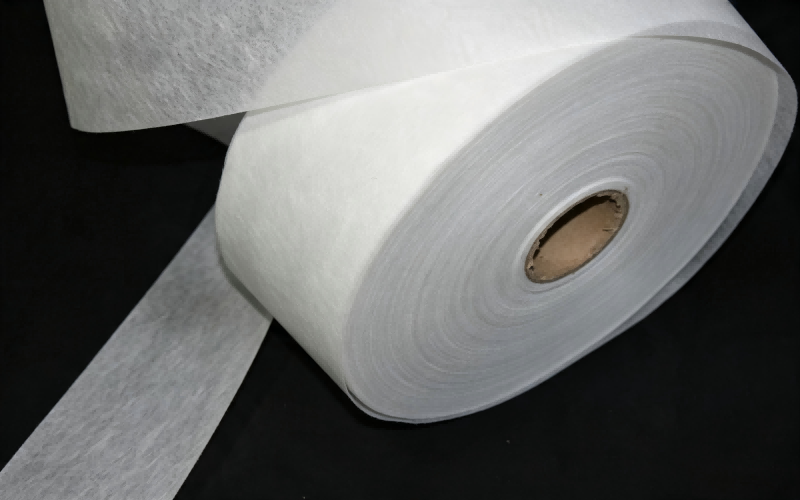
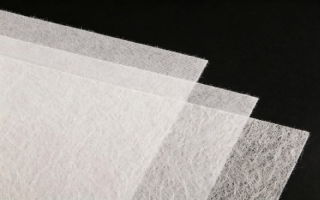
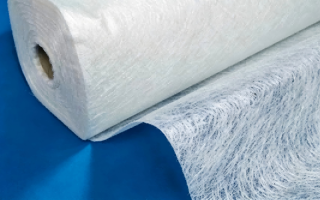
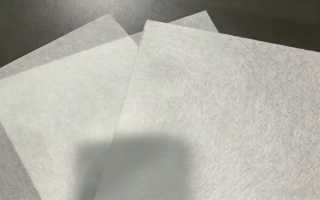
SAFM35 FIBERGLASS FLOOR MAT (35g/m²)
Weak glass webs shrink under hot plastisol coating, forcing floor tiles to arch and warp. SAFM35 locks a thin 35g/m² matrix inside PVC layers to hold flat dimensions, stop edge curl, and raise your finished floor yield.
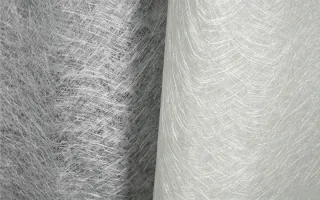
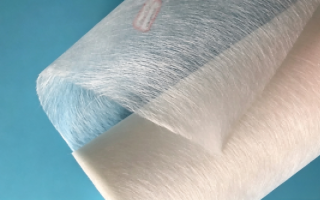
SAFM35 FIBERGLASS FLOOR MAT (35g/m²)
Stops PVC Floor Dome Curling. Zero Oven Tears.
SAXOBRAN® Our team designed SAFM35 because we saw vinyl floor plants toss out curled planks after heat gel ovens. We found that weak glass webs shrink under hot plastisol coating, forcing floor tiles to arch and warp. SAFM35 locks a thin 35g/m² matrix inside PVC layers to hold flat dimensions, stop edge curl, and raise your finished floor yield.
Industrial Pain Points Solved.
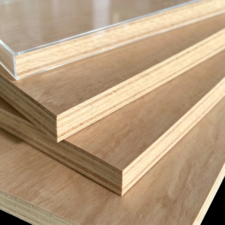
Post-Cure Floor Dome Curling and Edge Warping
Unstable substrates shrink under hot gelation temperatures (160°C–190°C). The PVC top and bottom layers cool at different rates, causing flat vinyl planks to curve into arched domes after installation.
We bind high-purity glass fibers with a zero-shrink thermoset resin binder. It maintains ≤0.1% thermal expansion in hot PVC ovens, keeping planks flat and true.
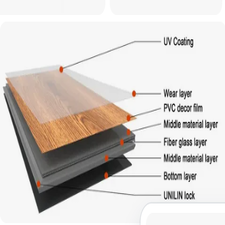
High-Tension Web Tears in Plastisol Coating Baths
Heavy liquid PVC plastisol drags on ultra-thin 35g/m² carrier webs. Loose tissue tears on guide rollers, clogging oven belts and stopping the main coating line.
Formulated with high Machine Direction tensile strength (≥120 N/50mm).Pulls straight through thick plastisol baths without web splits or edge tears.
Engineered Characteristics
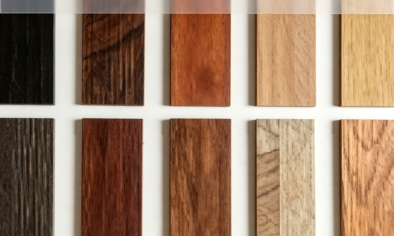
Anti-Curl Dimensional Anchor
Locks PVC layer expansion under heat, stopping plank arching and edge lift in installed vinyl floors.
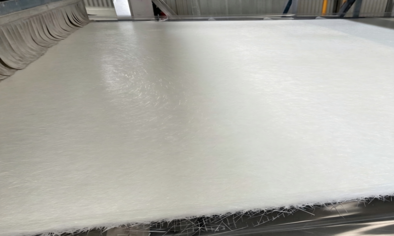
Rapid Plastisol Soak
Opens fiber spacing so liquid PVC plastisol saturates completely in under 5 seconds with no dry air pockets.

High-Temp Tensile Hold
Withstands steady line pull tension inside 180°C gelation ovens without web tears or edge fraying.
Technical Data Sheet
| Technical Parameter | Standard Value | Testing Basis | Engineering Purpose |
| Area Weight (Grammage) | 35 g/m² (±5%) | ISO 3374 | Maintains an exact, thin profile between PVC backing and wear layers |
| MD Tensile Strength | ≥120 N/50mm | ISO 3342 | Prevents web snaps under high pull tension on continuous PVC coating lines |
| CD Tensile Strength | ≥80 N/50mm | ISO 3342 | Stops side tears when heavy liquid plastisol presses against web edges |
| Thermal Shrinkage | ≤0.1% (at 180°C) | EN 434 / ISO 23999 | Eliminates post-cure dome curling and tile warping in vinyl flooring |
| Plastisol Penetration | ≤5 seconds | Internal Standard | Ensures total PVC liquid soak to stop internal delamination air pockets |
| Moisture Content | ≤1.0% | ISO 3344 | Prevents steam pinholes and foam blisters during high-temperature curing |
Processing, Packaging & Logistics Quality
1
Temperature Range
Store rolls in dry, indoor rooms kept between 10°C and 30°C.
2
Humidity Limits
Keep relative humidity below 65% to stop binder softening.
3
Stacking Security
Do not stack rolls more than 2 layers high to keep cardboard cores round.
Global Supply Chain Securement
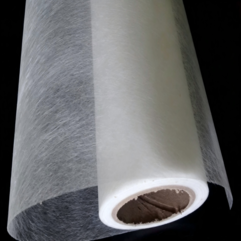
Roll & Core Construction: Wound tight on heavy-duty 3-inch solid paper cores to prevent crushing.
Sealed Barrier Packaging: Sealed inside thick, heat-shrink PE film to block sea air and moisture in transit.
Anti-Shifting Loading: Fixed on sturdy export pallets with protective edge boards and nylon straps.
Technical Q&A
Q: What is the fundamental difference in design logic between this model and the general models within this category?
A: Standard surface tissues (like 30g/m² or 50g/m²) use binders made for wet-laid FRP resins that break down under heat. SAFM35 uses a heat-resistant binder engineered specifically for PVC plastisol gelation. It holds strict dimensional limits up to 190°C, giving multi-layer vinyl flooring the anti-curl backbone needed to pass EN 434 stability tests.
Q: In actual operation, how can this model be utilized to achieve optimal performance?
A: Feed SAFM35 straight between the base PVC sheet and top plastisol coat before entering the pre-gelation zone. Keep line unwinding tension uniform across the full web width. Ensure your oven heating zones raise temperature gradually so the plastisol saturates the glass core fully before gel lock-in.
Q: What are the shelf life and storage restrictions after opening the original packaging?
A: Once you open the PE seal, use the roll within 24 hours. In damp floor factories, light 35g/m² glass web draws air moisture quickly. If tissue moisture exceeds 0.2%, water turns to steam inside hot gel ovens, causing tiny surface blisters and layer separation in the cured floor. Keep unused rolls wrapped tightly in plastic.