


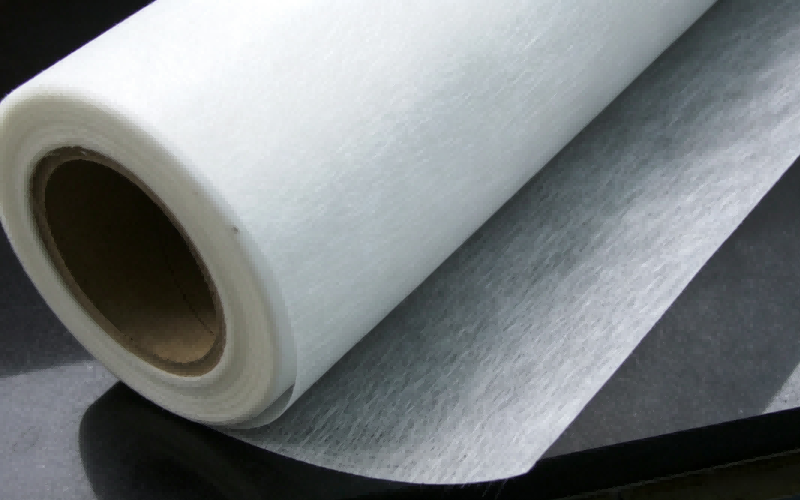
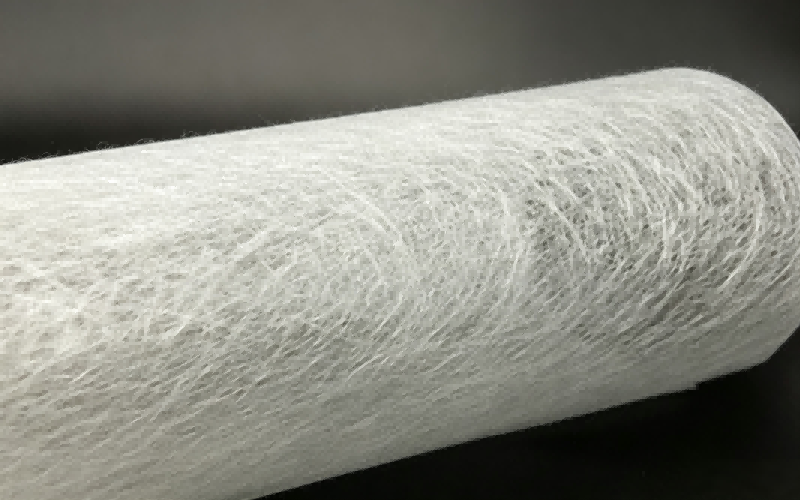
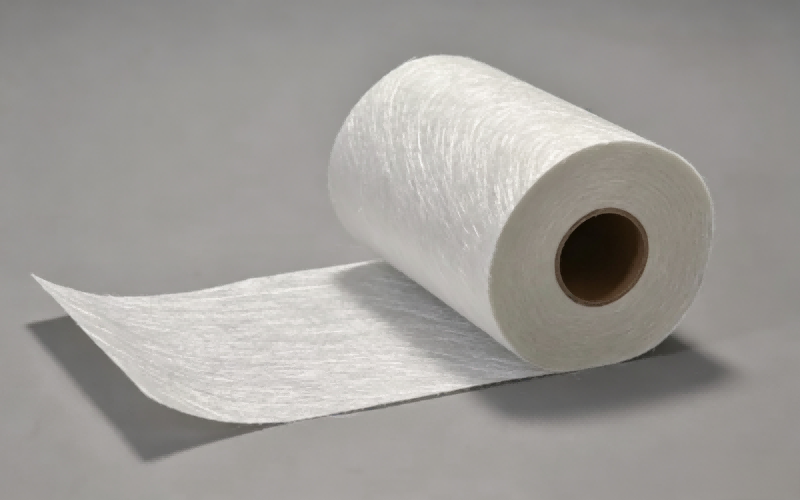
SAST30-H Fiberglass Surface Tissue (30g/m²)
SAST30-H forms a smooth, resin-rich coating that effectively conceals the underlying fiberglass. It also prevents the printed pattern from showing through to the surface, thereby reducing the need for subsequent sanding.

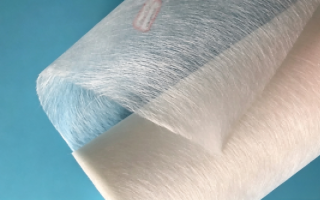
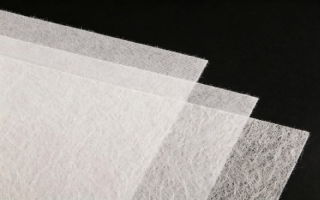
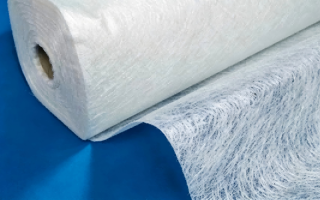
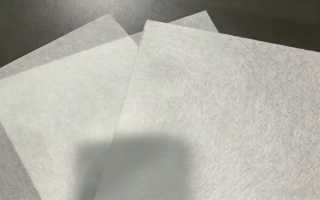
SAST30-H Fiberglass Surface Tissue (30g/m²)
Stop Fiber Print-Through. Get Smooth Parts.
SAXOBRAN® We designed this 30g/m² tissue for shops doing complex hand lay-up and structural molding. Our team found that heavy fabrics often leave ugly mesh marks on finished parts. SAST30-H creates a smooth, resin-rich barrier that hides backing glass fibers. It blocks print-through, cuts down your post-mold sanding time, and reduces part scrap rates on your shop floor.
Industrial Pain Points Solved
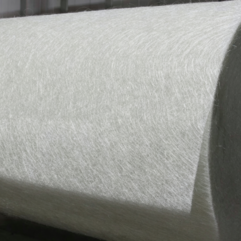

Surface Print-Through & Fiber Telegraphing
Heavy structural glass weaves shrink during resin cure. This pulls the fabric pattern through to your gel coat, creating costly body shop rework or part rejection.
Holds a dense, uniform layer of resin right behind the gel coat.Blocks a 600g/m² woven roving pattern from showing on the outside surface.

Dry Spots & Slow Resin Wet-Out
Stiff veils do not take in resin fast enough. Air gets trapped underneath, causing dry spots and blisters when the part heats up under real-world use.
The highly soluble binder dissolves the moment styrene hits it.Air escapes fully in less than 15 seconds during manual rolling.
Engineered Characteristics
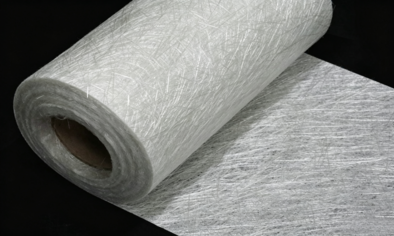
Hides Backing Fabric Perfectly
Blends structural glass lines into a smooth, even surface finish.
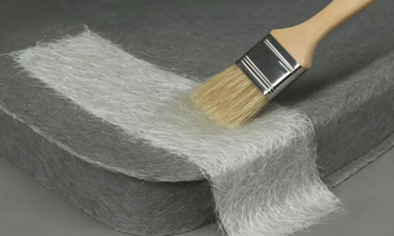
Fast Chemical Wet-Out
Dissolves the internal binder quickly when used with polyester or vinyl ester resins.
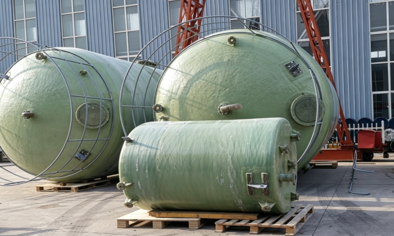
High Wet Tensile Strength
Holds its shape and does not tear apart when pulled around sharp mold corners.
Technical Data Sheet
| Technical Parameter | Standard Value | Testing Basis | Engineering Purpose |
| Area Weight | 30g/m²±6% | ISO 3374 | Ensures uniform resin thickness across the whole mold surface. |
| Binder Content | 6%-8% | ISO 1887 | Balances fast wet-out speed with high mechanical handling strength. |
| Tensile Strength (MD) | ≥25N/50mm | ISO 3341 | Prevents the tissue from tearing when pulled tight over deep mold curves. |
| Moisture Content | ≤0.5 | ISO 3344 | Prevents cure inhibition and gas bubbles in the resin matrix. |
Processing, Packaging & Logistics Quality
1
Temperature Range
Maintain workshop temperature between 15°C and 35°C.
2
Humidity Limits
Keep relative humidity below 75% to prevent moisture uptake.
3
Stacking Security
Please store the roll material horizontally with its original packaging. Pallets should not be stacked more than two layers high to avoid damaging the roll core.
Global Supply Chain Securement
Roll & Core Construction: Heavy-walled cardboard inner cores prevent roll collapse during sea transit.
Sealed Barrier Packaging: Every roll is sealed in thick PE plastic film to lock out moisture and sea air.
Anti-Shifting Loading: Pallets are wrapped tight with stretch film and blocked with air bags inside the container.
Technical Q&A
Q: How does this model differ fundamentally from standard, general-purpose surface veils?
A: Standard veils often use stiff binders that do not dissolve well in hand lay-up, leading to spring-back on tight corners. SAST30-H uses a highly soluble styrene-compatible binder. It softens quickly, allowing the tissue to drape perfectly over complex, tight radii without popping up or trapping air.
Q: How do we get the best performance out of SAST30-H during intricate manual fabrication?
A: Wet your mold surface or gel coat backing layer with resin first, then lay down the SAST30-H dry. Use a soft roller or fin roller from the center outward. Do not work the tissue dry with a dry roller, or you will tear the loose fiber structure before the resin can lock it in.
Q: What is the shelf life and storage limit after opening the original factory packaging?
A: Once you cut the PE bag, the material will absorb ambient moisture. If your shop is humid, use the open roll within 24 hours. If you have leftover material, wrap the roll tightly with stretch wrap and store it off the concrete floor to avoid part blistering issues later.