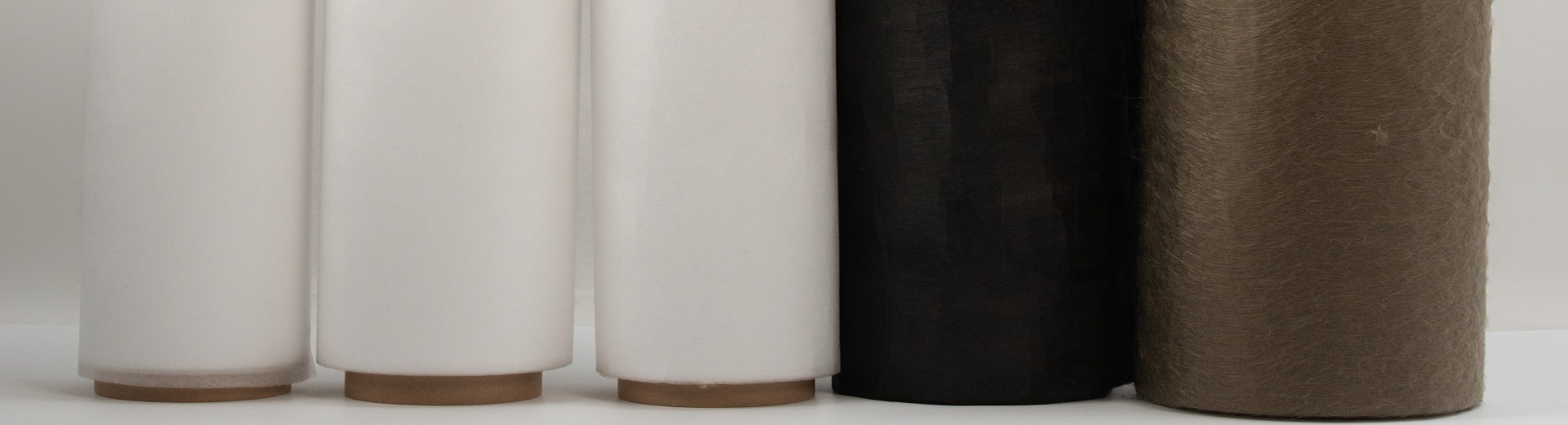
Aramid wet-laid nonwoven fabric
2026-03-12 11:34
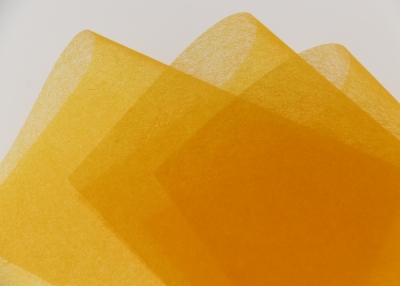
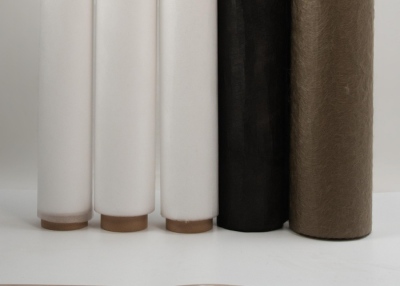
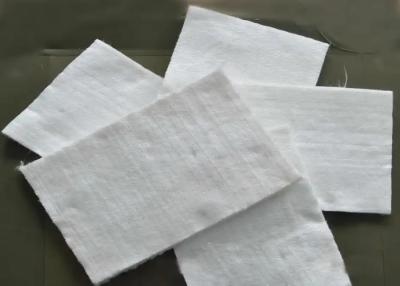
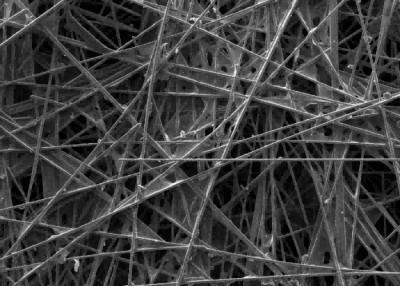
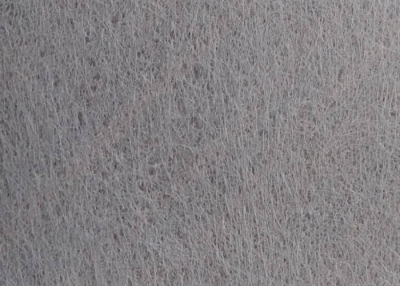
Aramid wet-laid nonwoven fabric is a high-performance nonwoven material made from aramid fibers using papermaking wet web forming technology. It has the advantages of high temperature resistance, high strength and uniformity of wet-laid process.
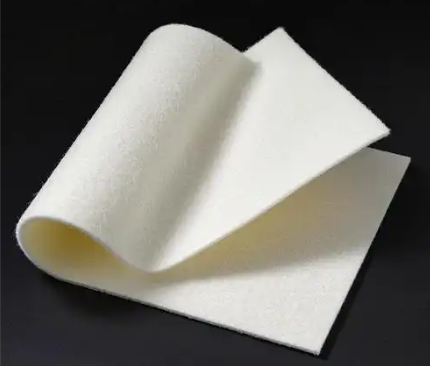
This material utilizes a special process to disperse aramid fibers in water to form a suspension, which is then dehydrated and reinforced. This process overcomes the limitations of traditional dry-process fabrics in handling short and mixed fibers, giving it an irreplaceable position in high-end industrial applications.
Core Processes and Technical Features
The production of aramid wet-laid nonwoven fabric draws inspiration from papermaking processes, but with significant improvements tailored to the characteristics of aramid fibers:
Web Forming Principle: Aramid fibers (usually chopped fibers) are opened into single fibers in an aqueous medium, forming a suspension that is then transported to a web-forming mechanism. In a wet state, a fiber web is formed, and finally, it is reinforced using physical or chemical methods.
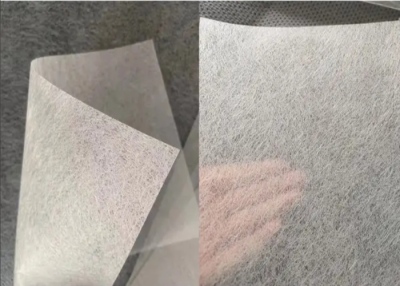
Isotropy: Unlike the directional fiber arrangement in dry-laid nonwoven fabrics, the wet process results in a random arrangement of fibers within the web, giving the material an excellent isotropic structure and more uniform stress distribution.
Advantages in Short Fiber Processing: It is particularly suitable for processing short fibers under 20mm and can achieve uniform mixing of fibers of different qualities and types (such as aramid with glass fiber and ceramic fiber), which is difficult to achieve with dry-laid processes. High Production Efficiency: Extremely fast production speed, reaching 400m/min, with high fiber uniformity, suitable for large-scale industrial production.
Key Application Areas:
Combining your professional background in engineering technology, aramid wet-laid nonwoven fabrics are particularly crucial in the following high-precision applications:
1. New Energy Battery Separators and Supports
This is currently the fastest-growing application area. Aramid-coated separators can significantly improve the thermal stability and safety of lithium batteries, preventing thermal runaway. Aramid nonwoven fabrics prepared by wet-laid processes are often used as supports or coating substrates for lithium-ion battery separators; their uniform pore structure facilitates electrolyte wetting and rapid ion transport.
2. High-Temperature Filtration and Environmental Protection Materials
Utilizing the excellent heat resistance of aramid (meta-aramid can be used continuously at 205℃, para-aramid up to 260℃) and chemical stability, wet-laid aramid nonwoven fabrics are widely used in the manufacture of high-temperature flue gas filtration materials. Its uniform microporous structure effectively intercepts fine dust and is resistant to acid and alkali corrosion, making it an ideal filter substrate for harsh working conditions such as waste incineration and cement kilns.
3. Special Protective and Insulating Materials
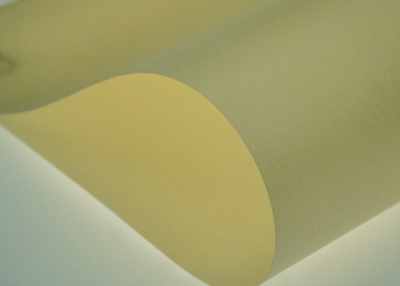
Electrical Insulation: Aramid paper (a typical wet-laid aramid nonwoven fabric) is a key insulating material for electrical equipment such as motors and transformers, possessing low dielectric constant and high breakdown strength.
Protective Clothing: Although protective clothing mostly uses needle-punching or hydroentangling processes, wet-laid processes can be used to produce heat-insulating layers or flame-retardant substrates with specific functions, especially in scenarios requiring extremely high uniformity and thinness.
4. Aerospace and Rail Transportation
Aramid paper honeycomb core material, made from wet-laid aramid nonwoven fabric through hot pressing, is widely used in components such as aircraft radomes and high-speed rail carriage interior panels due to its lightweight, high strength, and good wave transmittance, making it a core material for achieving lightweight transportation vehicles.
Related News
Read More >-
![The Industrial Value of Polyimide Wet-Laid Nonwovens]()
The Industrial Value of Polyimide Wet-Laid Nonwovens
Polyimide fiber wet-laid nonwoven fabric is the ideal fiber material for making fire-retardant clothing such as protective suits for armored forces, racing suits, and flight suits. It can also be used to manufacture comfortable and warm functional clothing.
-
![Wet-laid nonwovens are rapidly penetrating the high-end application market, driven by their superior performance.]()
Wet-laid nonwovens are rapidly penetrating the high-end application market, driven by their superior performance.
-
![What makes quartz fiber needle-punched felt the new benchmark for thermal insulation materials?]()
What makes quartz fiber needle-punched felt the new benchmark for thermal insulation materials?
With a temperature resistance limit of 1050°C, an ultra-low thermal conductivity of 0.03 W/(m·K), 30% compressibility and resilience, and 99.95% purity, quartz fiber needle-punched felt is sparking a thermal insulation revolution in the photovoltaic and semiconductor sectors.
-
![High-Performance Quartz Fiber Wet-Laid Nonwovens for Extreme Environments]()
High-Performance Quartz Fiber Wet-Laid Nonwovens for Extreme Environments
Quartzel fiber is a homogeneous, non-porous, continuous, and amorphous ultra-high-purity silica glass. An SiO₂ content of no less than 99.95% ensures the material's exceptional purity and chemical stability. Wet-laid Quartz Fiber Nonwoven manufactured from high-purity yarns that have been cut and subsequently processed via a wet-laid process.
-
![Wet-Laid Glass Fiber Thick Felt Boosts Acoustic Material Upgrades]()
Wet-Laid Glass Fiber Thick Felt Boosts Acoustic Material Upgrades
Wet-process glass fiber thick felt is a novel functional material manufactured using an advanced wet-process technique, specifically designed to address the acoustic and thermal challenges inherent in modern architectural and industrial environments.
-
![From Filtration to New Energy: The Application Landscape of Wet-Laid Glass Fiber Nonwovens Continues to Expand]()
From Filtration to New Energy: The Application Landscape of Wet-Laid Glass Fiber Nonwovens Continues to Expand
It is an innovative industrial material produced by processing electronic-grade chopped fiberglass strands using a specialized wet-laid process. This unique manufacturing method endows it with a range of exceptional physical and chemical properties, serving as a critical foundation for high-performance composite materials.
-
![Applications of Wet-Laid PPS Nonwovens Are Expanding Rapidly]()
Applications of Wet-Laid PPS Nonwovens Are Expanding Rapidly
PPS wet-laid nonwovens are manufactured using an advanced wet-laid process that enables precise control over fiber distribution, endowing the material with an exceptionally fine and uniform microstructure—thereby ensuring the filtration precision and physical strength of the finished product.
-
![Quartz fiber: a key material for aircraft thermal insulation]()
Quartz fiber: a key material for aircraft thermal insulation