


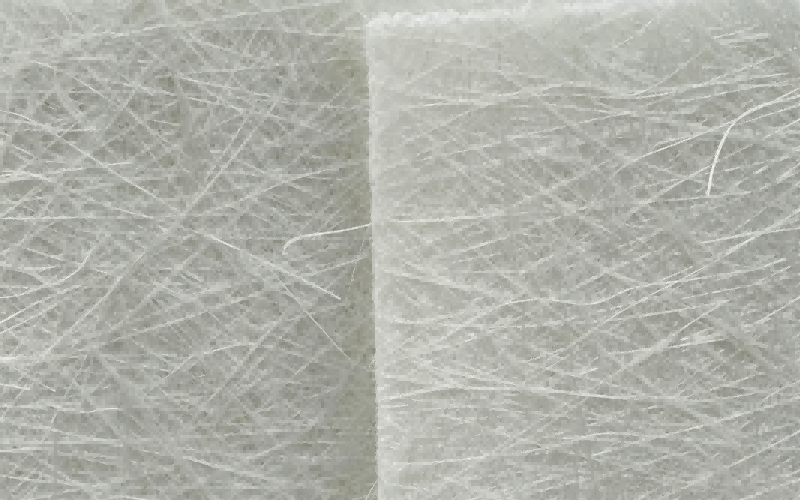
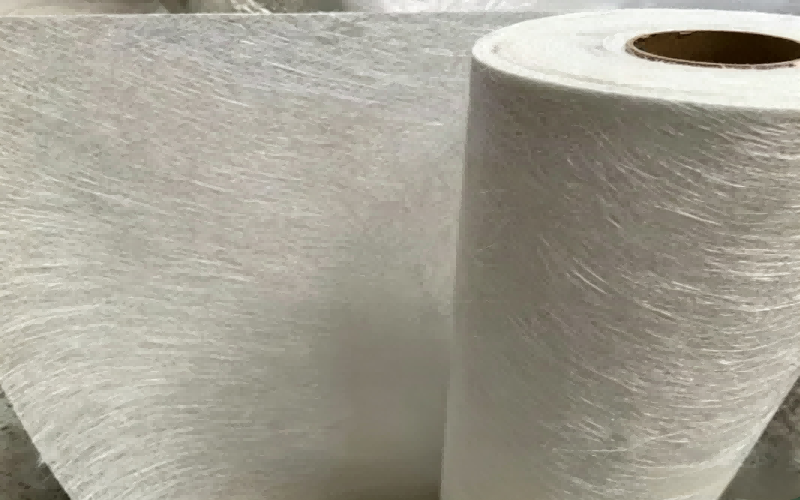
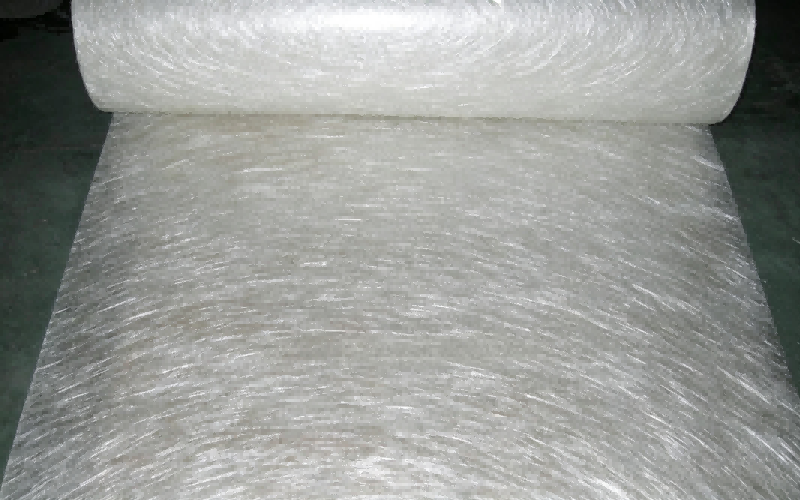
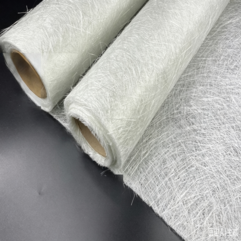
SACM400-M MARINE & TRANSPORTATION TISSUE (400g/m²)
SACM400-M utilizes a base structure with a density of 400 g/m², effectively masking structural fibers, reducing sanding time, and improving the yield rate of vehicle body panels.

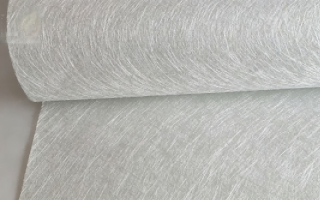
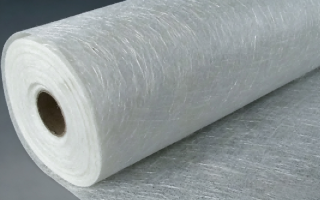
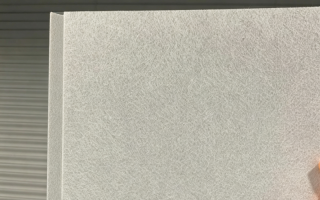
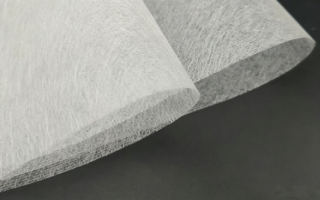
SACM400-M MARINE & TRANSPORTATION TISSUE (400g/m²)
Stops paint waviness. Zero fiber show-through.
SAXOBRAN® Our team designed SACM400-M because we saw auto body press operators scrap too many composite hoods due to surface waviness. We found that lighter mats buckle under heat and press closure, letting heavy glass strands show through the Class-A paint layer. SACM400-M uses a dense 400g/m² matrix to mask structural fibers, cut sanding hours, and raise your body panel yield.
Industrial Pain Points Solved.
Class-A Paint Waviness and Print-Through
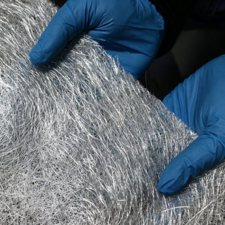
Heavy structural glass fibers push through thin veils during heat curing. This creates ugly surface ripples on car hoods and doors, forcing hours of hand sanding or total part scrap.
We build a dense 400g/m² glass barrier that completely masks underlying continuous rovings.It creates a flat, smooth foundation that holds Class-A automotive paint finish without surface telegraphing.
Mat Wrinkling Under High Press Pressure
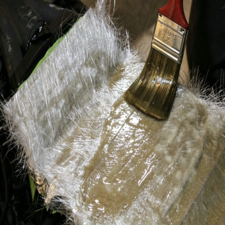
Fast mold closure drags and bunches up thin tissue inside complex body panel curves. These wrinkles trap air pockets and form severe surface cracks after baking.
Formulated with high-strength binder chemistry to give ≥420 N/50mm tensile strength. It stays flat and stretches smoothly into deep draw molds without bunching or tearing.
Engineered Characteristics
Class-A Surface Masking
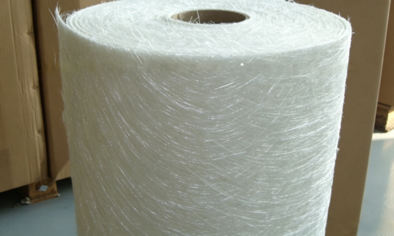
Masks heavy underlying glass fibers completely, stopping print-through on truck and car body panels.
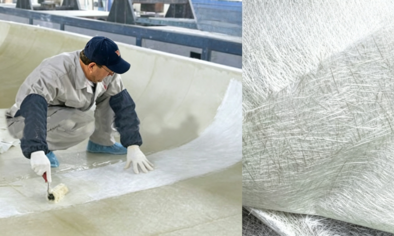
Rapid Styrene Solubility
Dissolves binders fast when liquid resin flows, forming a tight bond with vinyl ester and polyester auto resins.
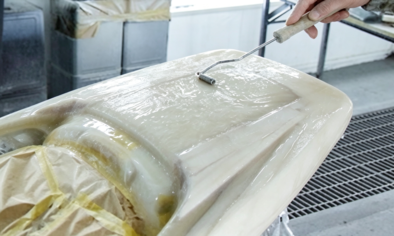
Mold-Draping Stability
Conforms tightly over deep body curves and sharp mold corners without spring-back or wrinkles.
Technical Specifications Table
| Technical Parameter | Standard Value | Testing Basis | Engineering Purpose |
| Area Weight (Grammage) | 400 g/m² (±5%) | ISO 3374 | Holds consistent resin volume to guarantee a flat, wave-free panel surface |
| MD Tensile Strength | ≥420N/50mm | ISO 3342 | Prevents web tearing and stretch distortions under high press closure speeds |
| Wet-Out Time | ≤12 seconds | ISO 3374 (modified) | Ensures resin saturates every fiber fast to stop air pockets before mold lock |
| Moisture Content | ≤0.15% | ISO 3344 | Prevents steam bubbles and surface blisters during high-temperature press curing |
| Loss on Ignition (LOI) | ≤5.5% | ISO 1887 | Balances fiber softness for molding flex with roll strength for easy handling |
| Binder Type | Powder (Soluble) | In-House Standard | Dissolves quickly under hot resin flow to prevent resin voids and dry spots |
Processing, Packaging & Logistics Quality
1
Temperature Range
Store rolls in a cool, clean warehouse between 10°C and 30°C.
2
Humidity Limits
Maintain relative humidity below 60% to prevent binder softening.
3
Stacking Security
Stack pallets no more than 2 layers high to protect cardboard core shapes.
Global Supply Chain Securement
Roll & Core Construction: Wound tight on heavy-duty 3-inch cardboard tubes to avoid roll crushing.
Sealed Barrier Packaging: Wrapped in thick, heat-sealed PE bag film to stop water and sea air during transit.
Anti-Shifting Loading: Fixed on sturdy wooden pallets with heavy edge boards and plastic strapping.
Technical Q&A
Q: What is the fundamental difference in design logic between this model and the standard or general-purpose models within this category?
A: Standard marine veils (like 30g/m² or 100g/m²) are thin and designed for light resin soak in open molds. SACM400-M uses a heavy 400g/m² density engineered specifically to withstand closed-mold hydraulic press forces (SMC/RTM). It provides the thick barrier needed to block heavy glass fiber print-through on Class-A automotive body parts.
Q: In the practical application of automotive body panels, how can this model be utilized to achieve optimal performance?
A: Place SACM400-M directly against the polished mold face before laying structural roving charges. Maintain mold temperatures between 140°C and 160°C and keep press closure speeds controlled during resin flow. This lets the tissue drape smoothly and fully dissolve its binder without washing away from corners.
Q: What are the shelf life and storage limitations after opening the original packaging?
A: Once you open the PE seal, use the roll within 24 hours. In humid body shops, open glass tissue absorbs ambient moisture fast. If moisture exceeds 0.2%, water turns to steam during hot press curing, creating micro-bubbles under your paint layer. Keep unused rolls wrapped tight in original PE bags.