


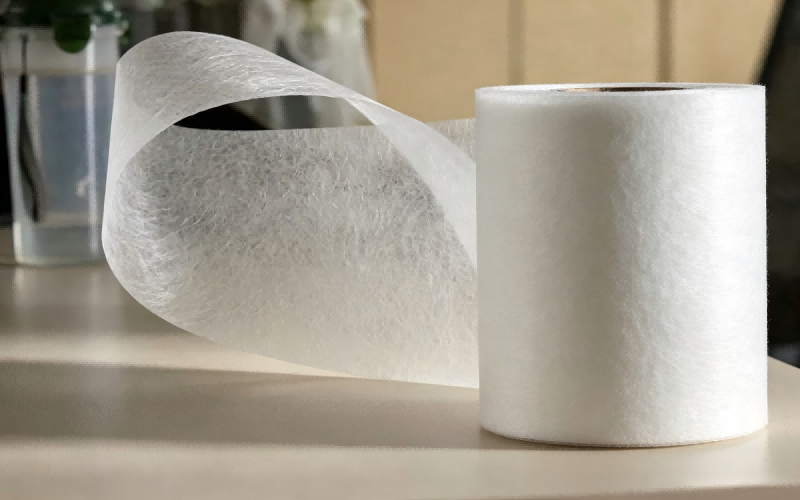
SAFIL20 FIBERGLASS FILTRATION TISSUE (20g/m²)
Low-grade synthetic tissues soften in hot fumes, choke airflow, and snap under pleating tension. SAFIL20 locks an ultra-thin 20g/m² E-glass fiber matrix to keep air flowing, stop thermal burn in hot exhaust streams, and cut filter assembly scrap.
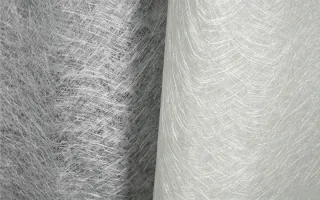
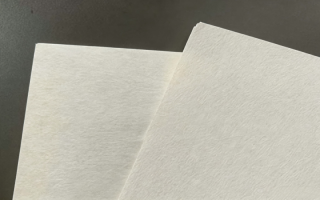
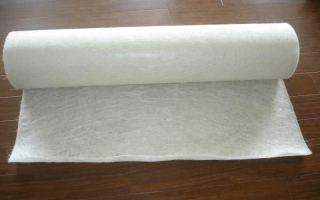
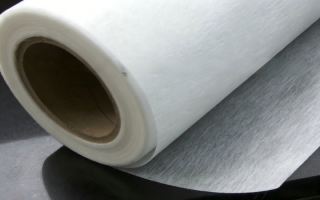
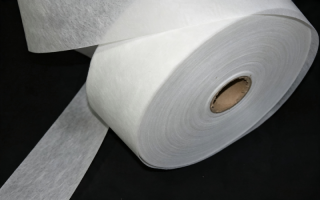
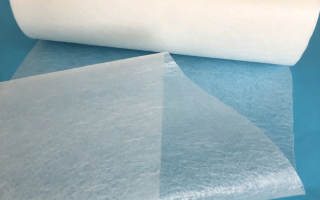
SAFIL20 FIBERGLASS FILTRATION TISSUE (20g/m²)
Cut Air Resistance. Stop High-Heat Burn.
SAXOBRAN® Our team designed SAFIL20 because we saw filter makers scrap pleated elements when thin veils burn or tear in hot exhaust gas lines. We found that low-grade synthetic tissues soften in hot fumes, choke airflow, and snap under pleating tension. SAFIL20 locks an ultra-thin 20g/m² E-glass fiber matrix to keep air flowing, stop thermal burn in hot exhaust streams, and cut filter assembly scrap.
Industrial Pain Points Solved.
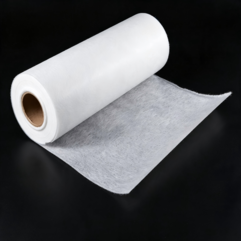
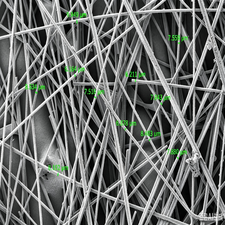
High Pressure Drop and Thermal Degradation
Organic filter veils melt or char inside 200°C+ flue gas lines from coal, oil, or gas burners. Dense fibers clog fast, forcing fans to work harder and driving up power costs.
Built with pure E-glass fibers that withstand continuous operating heat up to 260°C.Open 20g/m² pore matrix keeps initial air resistance low, saving fan energy.
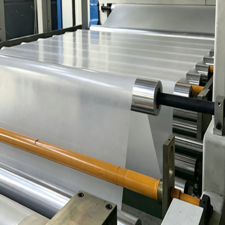
Pinhole Tears and Web Snaps During Pleating
Fast pleating rollers pull light tissues tight. Low-tensile veils snap at sharp pleat crests, causing pinhole leaks and forcing line shutdowns.
Formulated with high Machine Direction tensile strength (≥40 N/50mm).Pulls smooth over pleating rolls without edge tears, splitting, or pinhole leaks.
Engineered Characteristics
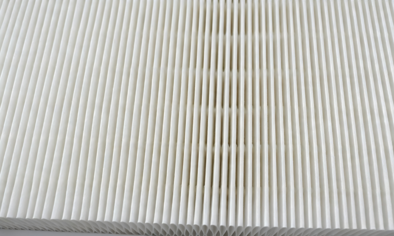
Uniform Open Pore Web
Distributes fine E-glass fibers evenly across the roll to trap sub-micron dust while keeping airflow fast and resistance low.
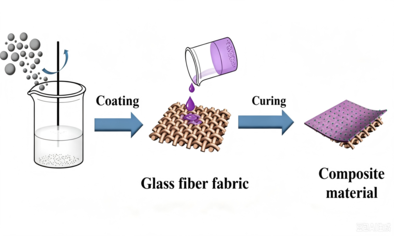
Heat & Acid Resistance
Resists sulfur fumes and acid condensate from gas, coal, or fuel oil exhaust without fiber rot or binder breakdown.
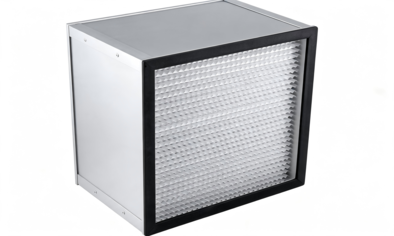
Rigid Pleat Reinforcement
Adds stiff backing support to membrane media so filter pleats stay open and flat under heavy exhaust draft.
Technical Specifications Table
| Technical Parameter | Standard Value | Testing Basis | Engineering Purpose |
| Unit Weight (Grammage) | 20 g/m² (±5%) | ISO 3374 | Maintains an ultra-light, open matrix for low initial pressure drop in air streams |
| LOI (Loss on Ignition) | 10% | ISO 1887 | Controls binder level to ensure pleat stiffness without blocking open air pores |
| MD Tensile Strength | ≥40 N/50mm | ISO 3342 | Prevents web snapping on high-speed pleating rolls under continuous tension |
| Thickness | 0.20 mm | ISO 5084 | Fits tight pleat gaps without packing filter housings or choking air channels |
| Moisture Content | ≤1.0% | ISO 3344 | Stops moisture clumping so rolls unwind smoothly without sticking or tearing |
Processing, Packaging & Logistics Quality
1
Temperature Range
Store rolls in dry, indoor rooms kept between 10°C and 30°C.
2
Humidity Limits
Keep relative humidity below 65% to protect the binder from moisture softening.
3
Stacking Security
Do not stack pallets more than 2 layers high to prevent cardboard core crushing.
Global Supply Chain Securement
Roll & Core Construction: Wound tight on heavy-duty 3-inch solid paper cores to prevent core collapse.
Sealed Barrier Packaging: Sealed in thick PE stretch film to block dust, moisture, and sea salt during shipment.
Anti-Shifting Loading: Secured on sturdy export pallets with corner board shields and tight plastic straps.
Technical Q&A
Q: What is the fundamental difference in design logic between this model and the standard or general-purpose models within this category?
A: Standard surface veils (like 30g/m² or 40g/m²) are built for resin reinforcement in FRP molding and have high air resistance. SAFIL20 uses an open-pore 20g/m² layout engineered specifically for air filtration. It offers low air resistance combined with 260°C heat resistance, which synthetic non-wovens cannot match in hot gas treatment.
Q: In actual operation, how can this model be utilized to achieve optimal performance?
A: Feed SAFIL20 as a backing or protective layer alongside your main filter paper or PTFE membrane into the pleating station. Keep unwinding roll tension low and steady across the full web width. Ensure your hot-melt or glue lines bond evenly along pleat edges so high-velocity exhaust gases cannot bypass the filter matrix.
Q: What are the shelf life and storage limitations after opening the original packaging?
A: Once you cut the PE film seal, use the roll within 24 hours. Ultra-light 20g/m² glass tissue absorbs moisture quickly in humid plants. If moisture exceeds 0.2%, fibers may stick together during unwind, causing micro-tears or pinholes on the pleating line. Always wrap open rolls back in PE film.