


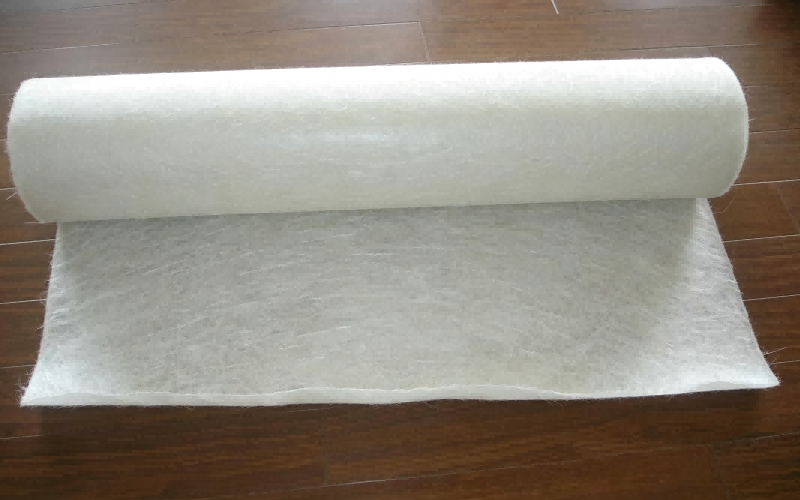
SAFTU40 FIBERGLASS FACING TISSUE (40g/m²)
We found that low-grade veils yellow fast, show yellow wool fibers, and tear under tension. SAFTU40 uses a dense 40g/m² white glass matrix that masks dark board cores, locks out adhesive bleed, and cuts panel reject rates.
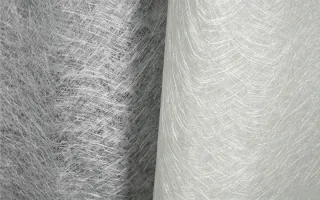
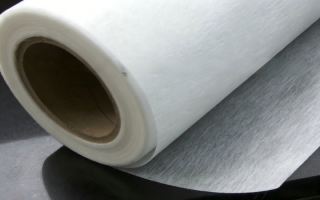
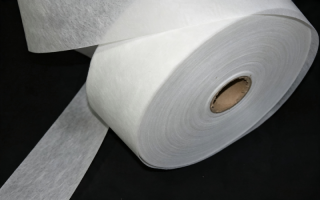
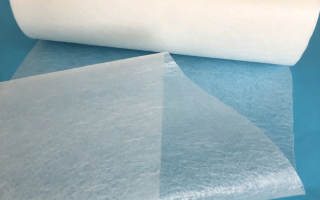
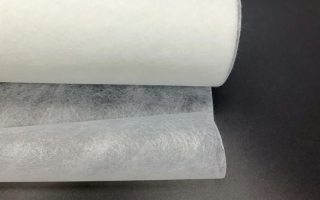
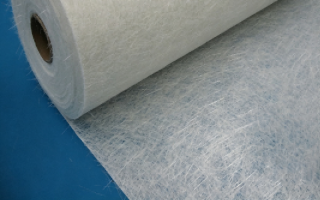
SAFTU40 FIBERGLASS FACING TISSUE (40g/m²)
Stops Glue Bleed-Through. Smooth Interior Finish.
SAXOBRAN® Our team designed SAFTU40 because we saw board laminating plants scrap rock wool and gypsum panels when wet glue bleeds through thin tissue. We found that low-grade veils yellow fast, show yellow wool fibers, and tear under tension. SAFTU40 uses a dense 40g/m² white glass matrix that masks dark board cores, locks out adhesive bleed, and cuts panel reject rates.
Industrial Pain Points Solved
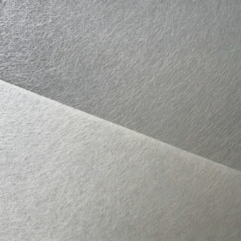
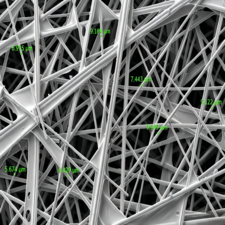
Adhesive Bleed-Through and Rough Yellow Surface
Liquid glue soaks through loose glass tissues during press laminating. Sticky resin gums up press rollers, leaves dark spots, and lets ugly yellow mineral wool fibers show through.
Built with a tight wet-laid fiber structure that holds 18.0% - 22.0% LOI binder.Masks dark substrates completely and seals in wet glue without surface strike-through.
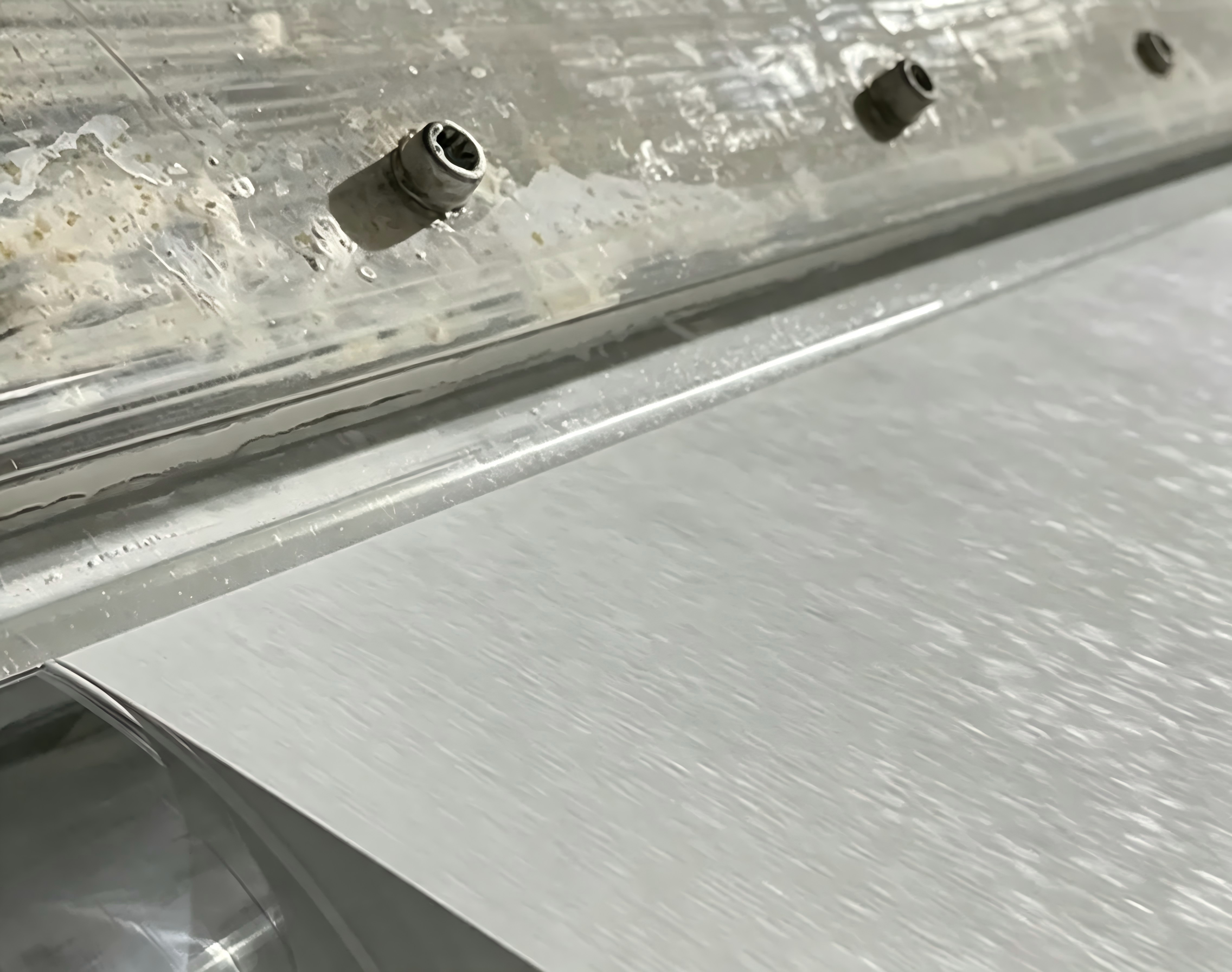
High-Speed Web Snapping and Edge Tear
Fast board lamination lines pull tissue web over hot guide rollers. Low-tensile veils snap under drag tension, forcing line shutdowns and wasting raw gypsum or wool slabs.
Engineered with high Machine Direction tensile strength (≥130 N/50mm).Pulls straight across high-speed laminating lines without web splits or edge fraying.
Engineered Characteristics
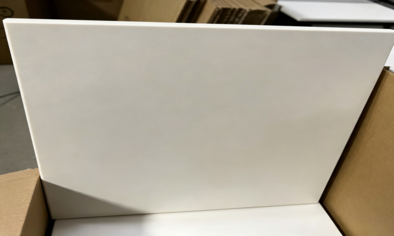
Core Masking & Uniform Surface
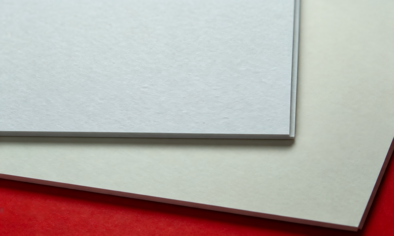
Hides dark mineral wool fibers and rough gypsum grain to create a bright, paint-ready interior facing.
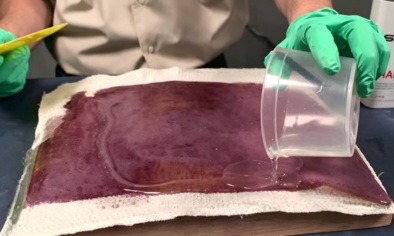
Fast Glue Soak & Lock
Absorbs starch and acrylic adhesives in seconds while blocking liquid bleed-through under heavy roller press.
Wet-Tension Line Hold
Maintains ≥80% wet tensile retention so wet glue baths do not soften or snap the tissue web during production.
Technical Data Sheet
| Technical Parameter | Standard Value | Testing Basis | Engineering Purpose |
| Unit Weight (Grammage) | 40 g/m² (±5%) | ISO 3374 | Secures full opacity and glue barrier without adding extra board weight |
| LOI (Loss on Ignition) | ≤25% | ISO 1887 | Controls binder balance to prevent glue bleed and maintain web flexibility |
| MD Tensile Strength | ≥130 N/50mm | ISO 3342 | Prevents web snaps under continuous pull tension on fast board laminating lines |
| CD Tensile Strength | ≥55 N/50mm | ISO 3342 | Stops side splitting when nip rollers press heavy glue across the panel face |
| Wet Tensile Retention (MD) | ≥60% | ISO 3342 (modified) | Ensures the veil will not soften or tear when soaked with water-based glues |
| Moisture Content | ≤ 1.0% | ISO 3344 | Prevents steam bubbles and surface blisters during hot pressing and drying |
Processing, Packaging & Logistics Quality
1
Temperature Range
Store rolls in dry, clean indoor rooms kept between 10°C and 30°C.
2
Humidity Limits
Keep relative humidity below 65% so water-based binders do not soften.
3
Stacking Security
Do not stack pallets more than 2 layers high to protect cardboard cores from crushing.
Global Supply Chain Securement
Roll & Core Construction: Wound tight on heavy-duty 3-inch solid paper cores to prevent core collapse.
Sealed Barrier Packaging: Wrapped in thick, heat-sealed PE film to block dust, humidity, and sea air.
Anti-Shifting Loading: Fixed on sturdy export pallets with protective corner boards and tight strapping.
Technical Q&A
Q: What is the fundamental difference in design logic between this model and the standard or general-purpose models within this category?
A: Standard surface veils (like 25g/m² or 30g/m²) are built for FRP resin lay-up and lack core coverage. SAFTU40 is engineered specifically for interior decorative panel facing. It combines a dense 40g/m² white glass structure with ≥80% wet tensile retention, preventing the glue bleed-through and web tears common with general-purpose veils on high-speed laminating lines.
Q: In actual operation, how can this model be utilized to achieve optimal performance?
A: Set your glue spreader to apply an even, thin adhesive layer across the mineral wool or gypsum board surface before tissue contact. Keep unwinding roll tension steady so SAFTU40 lays flat without center wrinkles. Adjust nip roller pressure just enough to bond the veil without forcing wet glue up through the glass fibers.
Q: What are the shelf life and storage limitations after opening the original packaging?
A: Once you cut the PE shrink film, use the roll within 24 hours. Glass tissue absorbs room humidity quickly in open workshops. If tissue moisture exceeds 0.2%, water-based glue will not soak in evenly, causing surface bubbles and poor bond strength on finished panels. Always wrap open rolls back in plastic.