


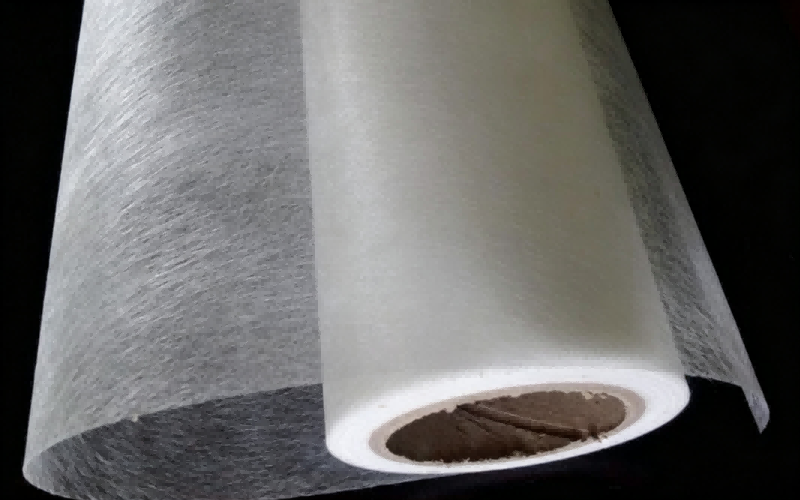
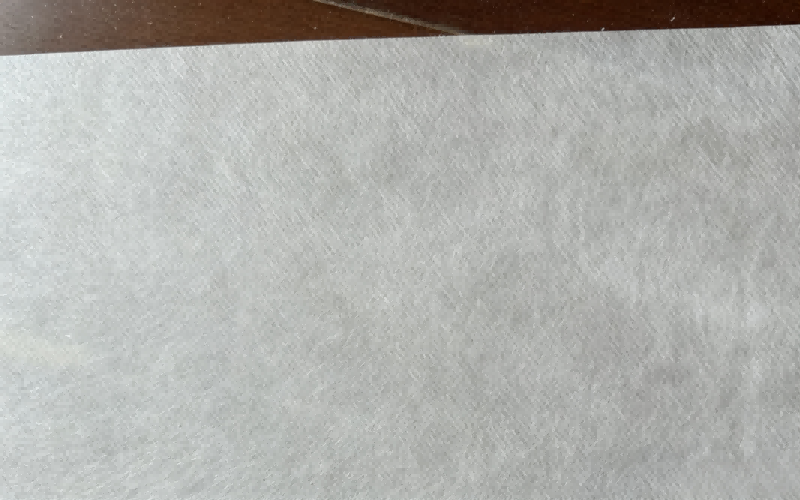
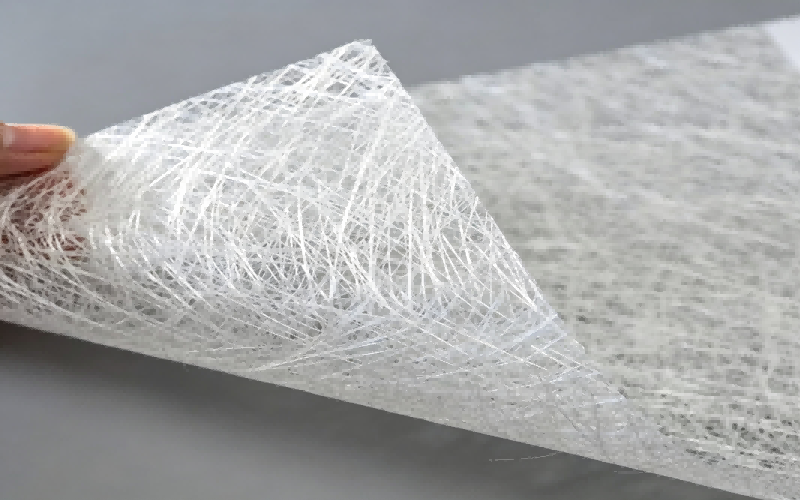
SAFIL25 Fiberglass Filtration Tissue (25g/m²)
SAFIL25 Fiberglass Filtration Tissue ensures unobstructed pores while firmly securing carbon or catalyst particles. This reduces production line downtime, waste, and ultimately, more stable airflow in the purification system.
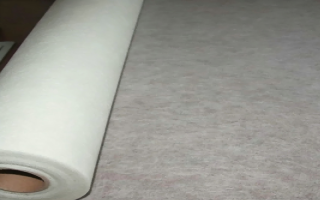
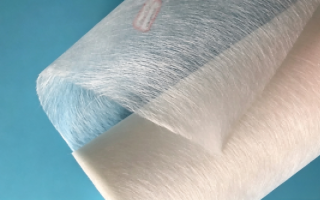
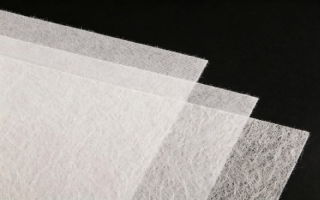
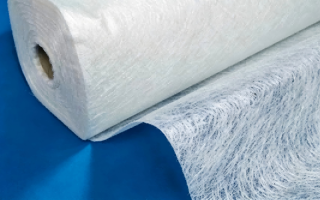
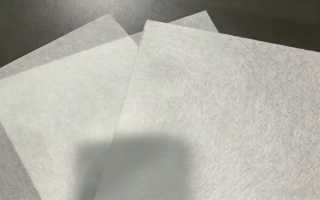
SAFIL25 Fiberglass Filtration Tissue (25g/m²)
99.7% air flow uniformity. Low pressure drop. High heat stability.
SAXOBRAN® We design SAFIL25 for fast-paced air filter production lines. Our team found that thin tissues often tear or clog up with glue during pleating. This 25g/m² tissue stops those issues. It keeps air holes perfectly open while holding your carbon or catalyst granules firm. You get fewer line stops, less scrap material, and predictable airflow in your final purification cells.
Industrial Pain Points Solved
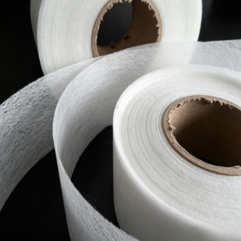
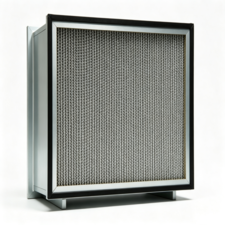
Tissue Tearing During High-Speed Pleating
Thin filter webs snap when the machine pulls them fast around sharp folding knives. This ruins the whole batch and stops production.
We mix short and long glass fibers randomly with a strong acrylic binder. It withstands strong line pulling tension up to 110 N/50mm without web breakdown.
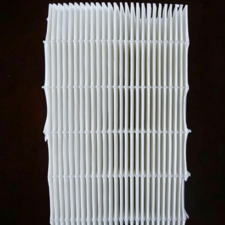
Glue Clogging and High Pressure Drop
Hot-melt adhesive often sinks deep into poor tissue fibers. It blocks the tiny air passages, forcing the final filter to work too hard.
The uniform pore matrix stops glue from soaking all the way through.Keeps air resistance below 18 Pa at standard face velocity to save fan energy.
Engineered Characteristics
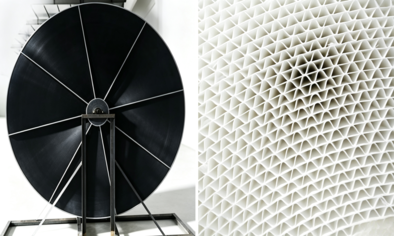
Uniform Fiber Web Layout
Provides a clean, flat surface to hold active carbon granules without letting them spill or shift.
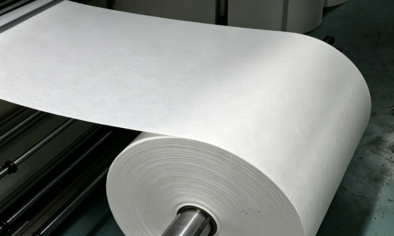
Fast Glue Wet-Out Speed
Bonds securely with standard hot-melt adhesives within 1.2 seconds for fast assembly lines.
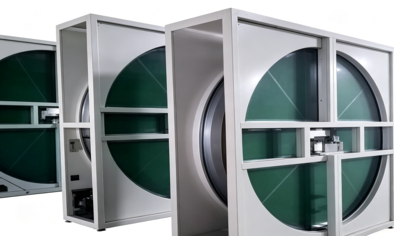
High Thermal Resistance
Holds its shape and size perfectly up to 180°C during hot air drying or laminating steps.
Technical Data Sheet
| Technical Parameter | Standard Value | Testing Basis | Engineering Purpose |
| Area Weight | 25 g/m² ±2g | ISO 3374 | Ensures reliable air resistance and thickness across the entire roll. |
| Thickness | 0.25mm | ISO 9073-2 | Fits perfectly into compact pleating slots without jamming the machine. |
| Tensile Strength (MD) | ≥80N/50mm | ISO 3342 | Prevents sudden web snaps when the automatic tension roller pulls hard. |
| Air Permeability | ≥1200 L/m²/s | EN ISO 9237 | Guarantees low air resistance so the final device uses less power. |
| Loss on Ignition (LOI) | 10.0 | ISO 1887 | Keeps the fiber bond stiff enough to handle but soft enough to fold. |
Processing, Packaging & Logistics Quality
1
Temperature Range
Keep storage temperatures between 10°C to 40°C.
2
Humidity Limits
Keep workshop air dry with relative humidity below 65%.
3
Stacking Security
Keep rolls standing upright in their original boxes. Do not stack more than 2 pallets high to avoid crushing the roll edges.
Global Supply Chain Securement
Roll & Core Construction: Wound on heavy 76mm (3-inch) solid cardboard cores to stop the center from bending.
Sealed Barrier Packaging: Wrapped in thick PE plastic film to lock out sea moisture during long ocean transit.
Anti-Shifting Loading: Packed in heavy-duty cardboard boxes with thick foam end-caps inside a wood pallet crate.
Technical Q&A
Q: How does SAFIL25 compare to standard 25g polyester nonwovens for carbon loading?
A: Polyester stretches when you apply hot glue and heavy carbon granules, which alters the air flow gaps. SAFIL25 uses rigid glass fibers. It does not stretch, shrink, or sag under heavy granule loads. This keeps your air flow pathways exactly the same across the entire panel surface.
Q: How do we prevent the tissue from splitting when using ultrasonic welding?
A: Keep the horn pressure low. Because glass fibers do not melt like plastic, you are bonding the binder matrix, not the glass itself. For best results, use a knurled pattern anvil. Set the weld time to short bursts to avoid burning through the acrylic binder.
Q: What happens if the roll is exposed to high humidity before production?
A: The glass fiber will not rot, but the binder can absorb ambient moisture. This softens the web and causes it to drag in the pleater guides. If a roll gets damp, keep it in a dry room at 40°C for 24 hours before you mount it on the machine line.