


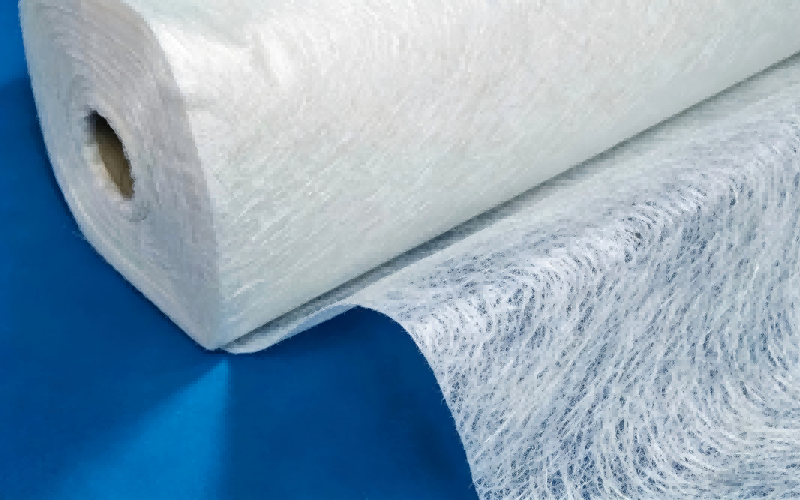
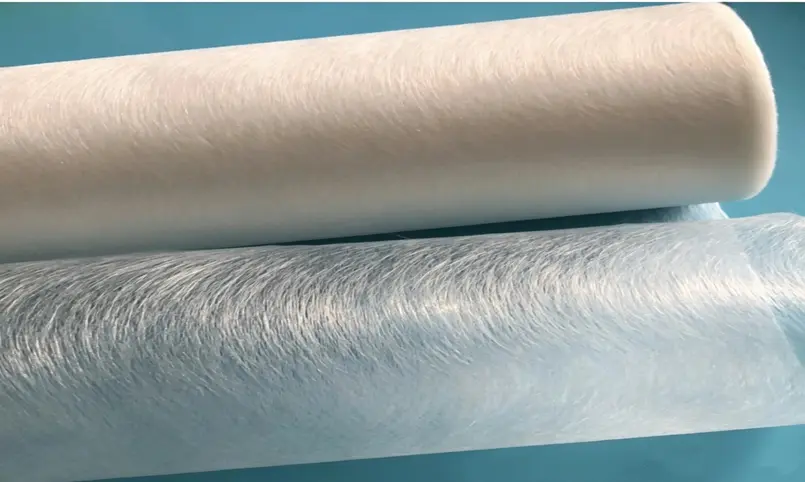
SAFM50 FIBERGLASS FLOOR TISSUE (50g/m²)
Weak tissues warp under line heat, trap air bubbles under vinyl layers, and split during high-speed coating runs. SAFM50 uses a stable 50g/m² glass matrix to freeze sheet dimensions, stop tile warping, and keep continuous line scrap below 0.5%.
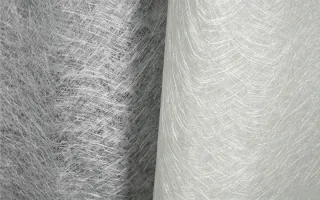
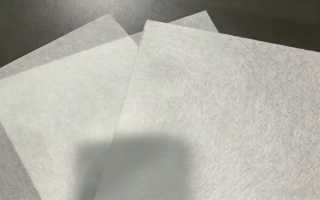
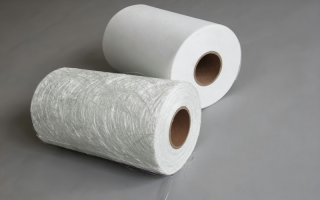
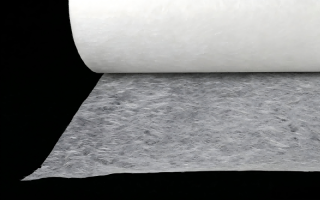
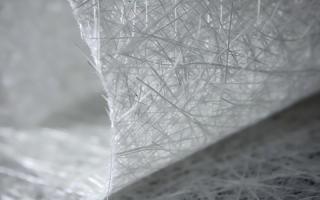
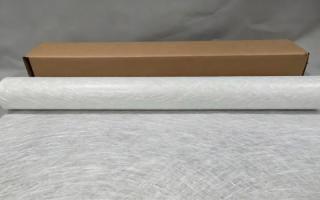
SAFM50 FIBERGLASS FLOOR TISSUE (50g/m²)
Zero Floor Warp. Flat PVC Lines.
SAXOBRAN® Our team designed SAFM50 because we saw floor plants reject PVC tiles when thin backing veils stretch and curl inside hot gel ovens. We found that weak tissues warp under line heat, trap air bubbles under vinyl layers, and split during high-speed coating runs. SAFM50 uses a stable 50g/m² glass matrix to freeze sheet dimensions, stop tile warping, and keep continuous line scrap below 0.5%.
Industrial Pain Points Solved
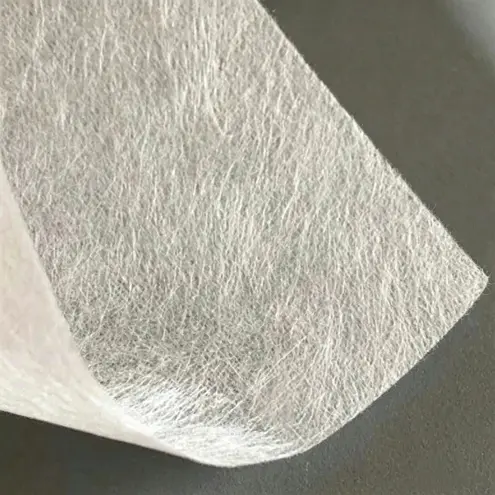
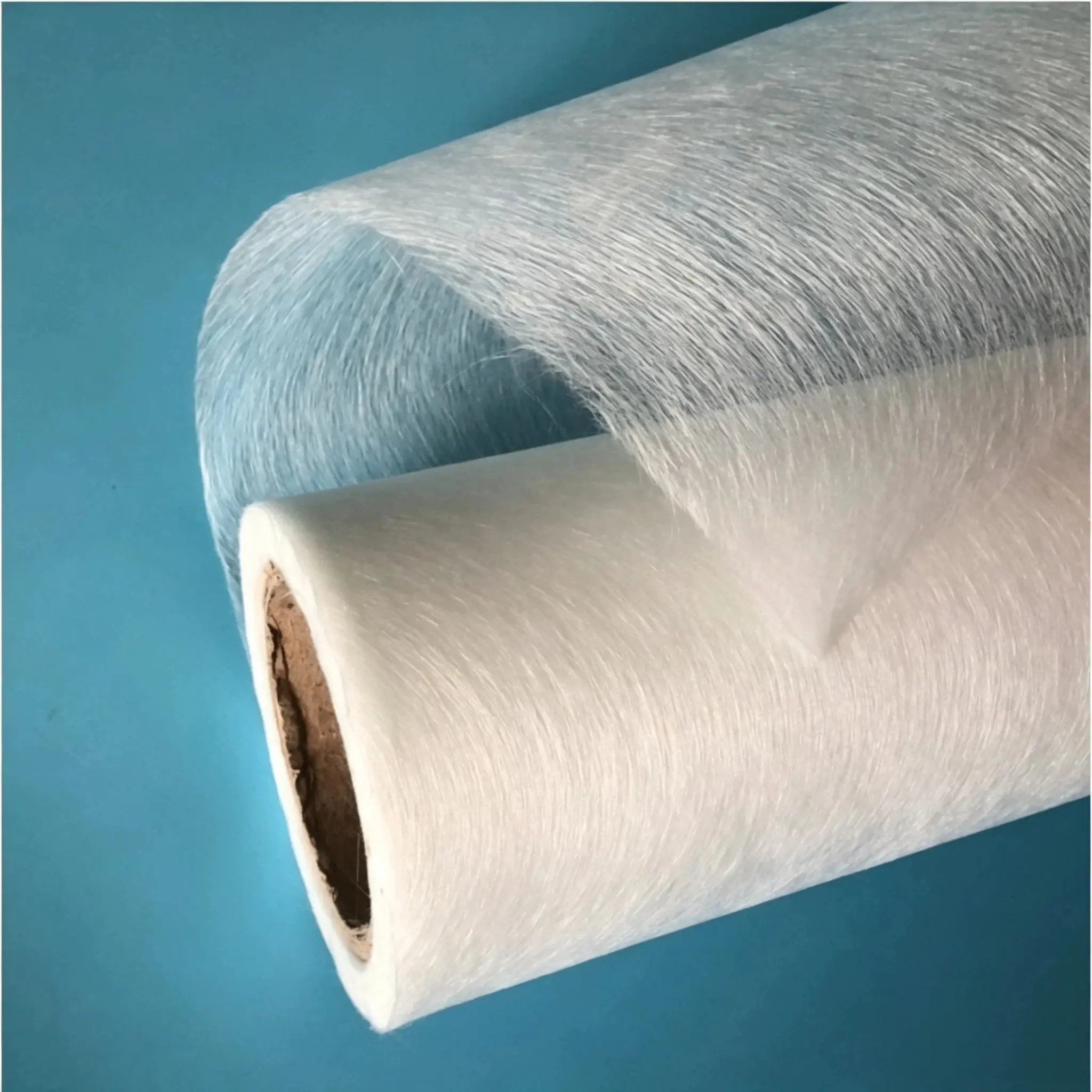
Tile Warping and Edge Curling After Oven Curing
Vinyl floor sheets expand in hot gel ovens and curl when cool. Unreinforced PVC tiles lift at corners after installation, leading to customer claims and job site reworks.
A uniform glass fiber network locks thermal growth (≤0.05% expansion rate). Keeps vinyl floor tiles and wall coverings flat during heating, cooling, and long-term use.
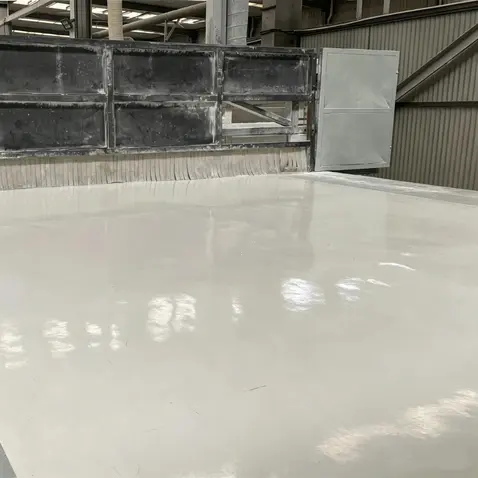
Pinhole Bubbles and Surface Bumps
Uneven tissue thickness traps air inside liquid PVC plastisol. Trapped air expands in gel ovens, creating top-surface blisters and rough print surfaces on decorative layers.
Tight thickness control (0.40 mm3) allows quick air release during paste coating. Delivers a smooth, bubble-free base for printing high-definition wood and stone textures.
Engineered Characteristics
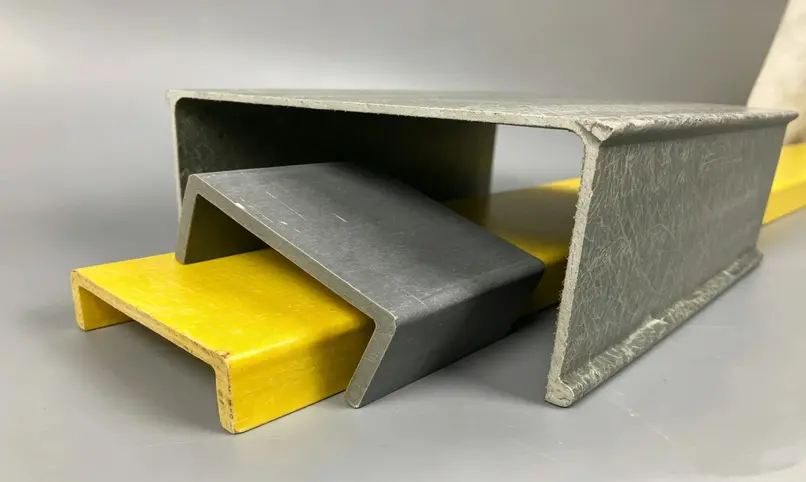
Flat Base Surface Finish
Covers core layers to create a smooth, bump-free surface for direct vinyl printing and laminating.
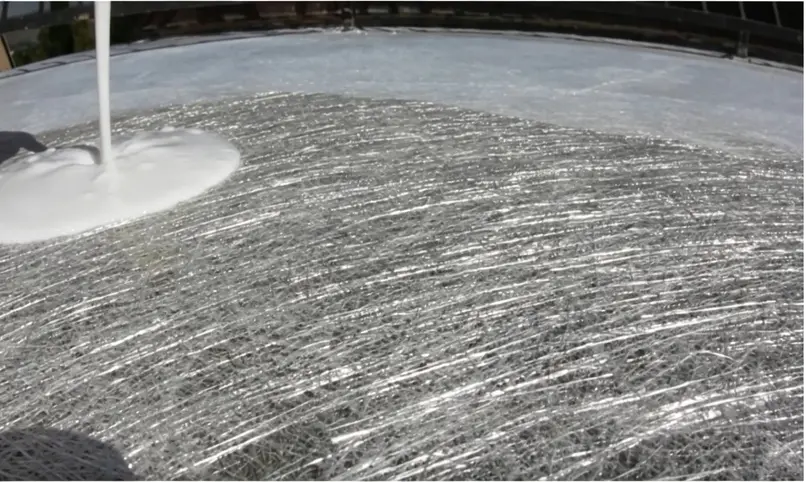
Fast PVC Plastisol Soak
Absorbs liquid PVC paste evenly to prevent dry spots, air blisters, and delamination under heat.
Thermal Dimension Lock
Holds tight web dimensions inside 180°C curing ovens without stretching, shrinking, or edge curling.
Technical Data Sheet
| Technical Parameter | Standard Value | Testing Basis | Engineering Purpose |
| Unit Weight (Grammage) | 50 g/m² (±5%) | ISO 3374 | Maintains steady base thickness to support PVC paste without adding excess weight |
| Thickness | 0.40 mm | ISO 5084 | Guarantees an even coating bed to prevent surface bumps and uneven printing |
| LOI (Loss on Ignition) | ≤30% | ISO 1887 | Balances binder content to ensure high heat resistance in 180°C gel ovens |
| MD Tensile Strength | ≥25N/50mm | ISO 3342 | Prevents web breaks on high-speed continuous vinyl coating lines under high pull tension |
| CD Tensile Strength | ≥100N/50mm | ISO 3342 | Stops side tearing and edge distortion during wide-web roll winding and heat curing |
| Moisture Content | ≤ 1.0% | ISO 3344 | Prevents steam pockets and surface pinholes during high-temperature PVC gelling |
Processing, Packaging & Logistics Quality
1
Temperature Range
Store rolls in dry indoor rooms kept between 10°C and 30°C.
2
Humidity Limits
Keep relative humidity below 65% so binder layers do not absorb moisture.
3
Stacking Security
Do not stack pallets more than 2 layers high to keep 3-inch paper cores round.
Global Supply Chain Securement
Roll & Core Construction: Wound tight on heavy-duty 3-inch solid paper cores to prevent core crush during sea freight.
Sealed Barrier Packaging:Wrapped in thick PE stretch film to seal out dust, rain, and salt air.
Anti-Shifting Loading: Strapped on export pallets with solid corner guards and plastic banding.
Technical Q&A
Q: What is the fundamental difference in design logic between this model and the standard or general-purpose models within this category?
A: Standard surface tissues (like 30g/m² or 40g/m²) focus mainly on resin surfacing for FRP parts. SAFM50 is a 50g/m² carrier veil engineered specifically for PVC floor tiles and wallpaper lines. It uses a high-binder matrix to withstand 160°C–190°C oven temperatures while keeping thermal shrink near zero, whereas lighter veils stretch or distort under oven heat.
Q: In actual operation, how can this model be utilized to achieve optimal performance?
A: Unwind SAFM50 directly onto your PVC paste reverse-roll coater. Maintain even web tension across the full roll width to avoid center sagging. Set your gelation oven zone temperatures between 150°C and 180°C so the PVC plastisol fully drenches the glass matrix before pressing rollers flatten the sheet.
Q: What are the shelf life and storage restrictions after opening the original packaging?
A: Use open rolls within 24 hours. Glass floor tissue absorbs workshop moisture quickly. If tissue moisture rises above 0.2%, water turns to steam in hot gel ovens, causing tiny pinholes and surface blisters on finished vinyl sheets. Always re-seal partially used rolls in PE plastic wrap.