


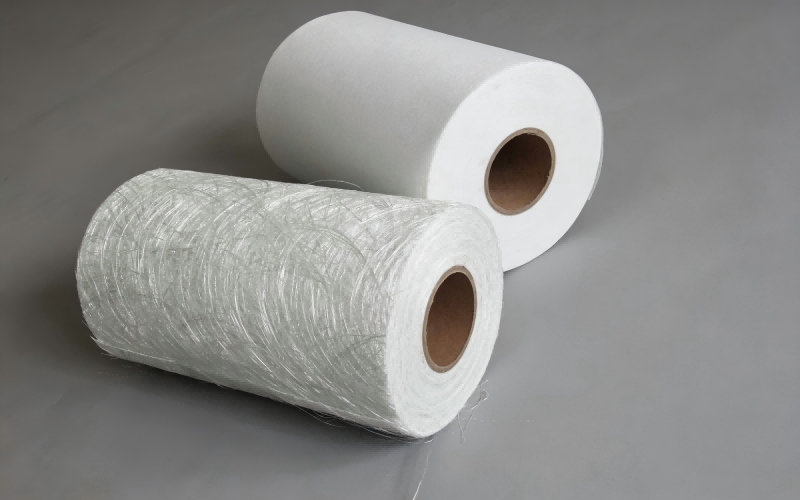
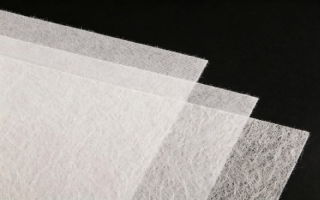
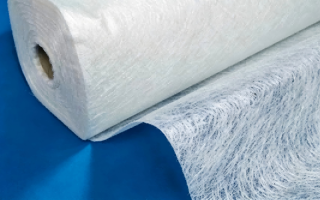
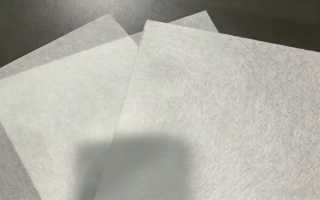
SART50 FIBERGLASS ROOFING TISSUE (50g/m²)
We found that weak veils deform under line pull, create surface blisters, and snap at high production speeds. SART50 uses a steady 50g/m² glass web to lock PVC membrane dimensions, stop heat shrinkage, and cut line waste.
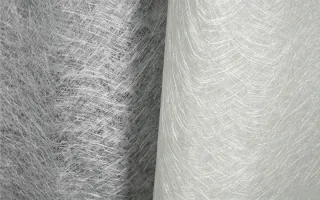
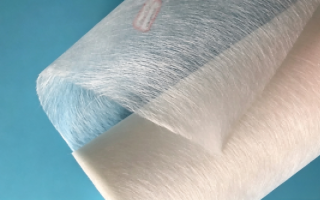
SART50 FIBERGLASS ROOFING TISSUE (50g/m²)
Stop Membrane Shrink. Zero Edge Wrinkles.
SAXOBRAN® Our team designed SART50 because we saw waterproofing plants scrap PVC rolls when thin carrier tissue stretches, wrinkles, or shrinks in hot oven lines. We found that weak veils deform under line pull, create surface blisters, and snap at high production speeds. SART50 uses a steady 50g/m² glass web to lock PVC membrane dimensions, stop heat shrinkage, and cut line waste.
Industrial Pain Points Solved
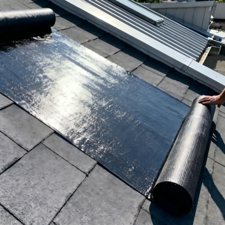
Membrane Shrinkage and Edge Curling
PVC sheets shrink and curl when cool. Unreinforced membranes warp after installation on flat roofs, causing seams to pop and leak water.
Embedded glass fiber matrix keeps thermal expansion down (≤0.1%).Holds PVC sheets flat and square during hot extrusion and outdoor roof exposure.
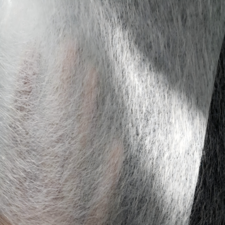
Web Snapping Under Line Pull
High-speed coating lines pull tissue tight. Weak carrier veils snap at high temperatures, shutting down the line and burning PVC resin in ovens.
Engineered with high Machine Direction tensile strength (≥170 N/50mm).Pulls smooth through 180°C coating ovens without web breaks or stretched edges.
Engineered Characteristics
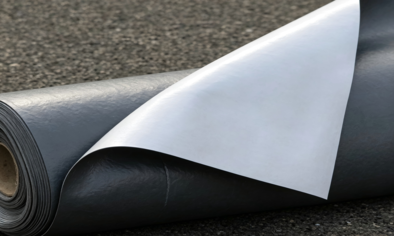
Dimensional Lock
Keeps PVC sheets flat and stable during oven heating and outdoor weather shifts.
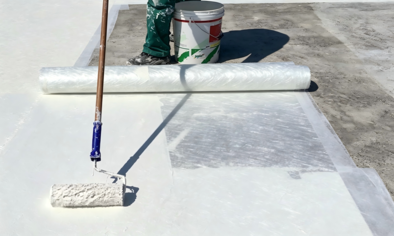
Fast Plasticizer Wet-Out
Soaks liquid PVC plastisol fast and even to stop air blisters and pinhole leaks.
High Pull Strength
Withstands heavy inline tension on fast coating lines without edge splitting or tearing.
Technical Specifications Table
| Technical Parameter | Standard Value | Testing Basis | Engineering Purpose |
| Unit Weight (Grammage) | 50 g/m² (±5%) | ISO 3374 | Secures steady carrier thickness to support PVC coating without adding excess bulk |
| LOI (Loss on Ignition) | ≤25% | ISO 1887 | Controls binder level so the tissue stays strong under high oven heat |
| MD Tensile Strength | ≥170 N/50mm | ISO 3342 | Prevents web breaks on high-speed PVC coating lines under heavy tension |
| CD Tensile Strength | ≥80 N/50mm | ISO 3342 | Stops edge tears and side wrinkles during roll winding and coating expansion |
| Moisture Content | ≤ 1.0% | ISO 3344 | Prevents steam bubbles during hot PVC extrusion and lamination |
Processing, Packaging & Logistics Quality
1
Temperature Range
Store rolls in dry indoor rooms kept between 10°C and 30°C.
2
Humidity Limits
Keep relative humidity below 65% so binder does not soften.
3
Stacking Security
Do not stack pallets more than 2 layers high to protect paper cores.
Global Supply Chain Securement:
Roll & Core Construction: Wound tight on heavy-duty 3-inch solid paper cores to stop core crush.
Sealed Barrier Packaging: Wrapped in thick PE stretch film to block moisture, rain, and sea air.
Anti-Shifting Loading: Strapped on export pallets with protective corner guards and tight plastic bands.
Technical Q&A
Q: What is the fundamental difference in design logic between this model and the standard or general-purpose models within this category?
A: Standard surface veils (like 30g/m² or 40g/m²) are designed mainly for light FRP resin surfacing. SART50 is a 50g/m² heavy-duty carrier tissue built specifically for PVC waterproofing membranes. It uses a high-binder system that holds thermal stability at 180°C–200°C, preventing PVC sheet shrinkage where lighter veils stretch or tear.
Q: In actual operation, how can this model be utilized to achieve optimal performance?
A: Feed SART50 directly into your coating line ahead of the PVC plastisol dip tank. Keep unwind tension even across the full web width. Maintain oven temperatures between 160°C and 190°C so the PVC compound saturates the glass matrix completely before cooling rolls lock the sheet dimensions.
Q: What are the shelf life and storage limitations after opening the original packaging?
A: Use open rolls within 24 hours. Glass tissue absorbs room moisture quickly in damp plants. Moisture above 0.2% causes steam bubbles inside hot liquid PVC during coating, leading to pinhole leaks in the final membrane. Always seal unused rolls back in PE plastic film.