


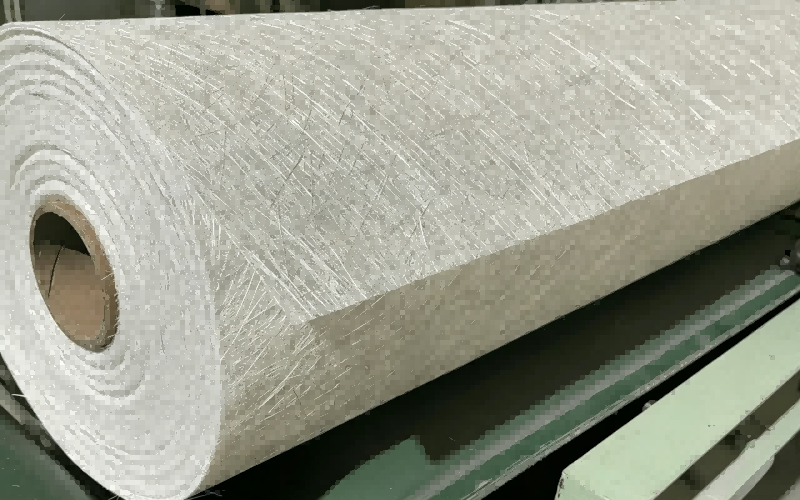
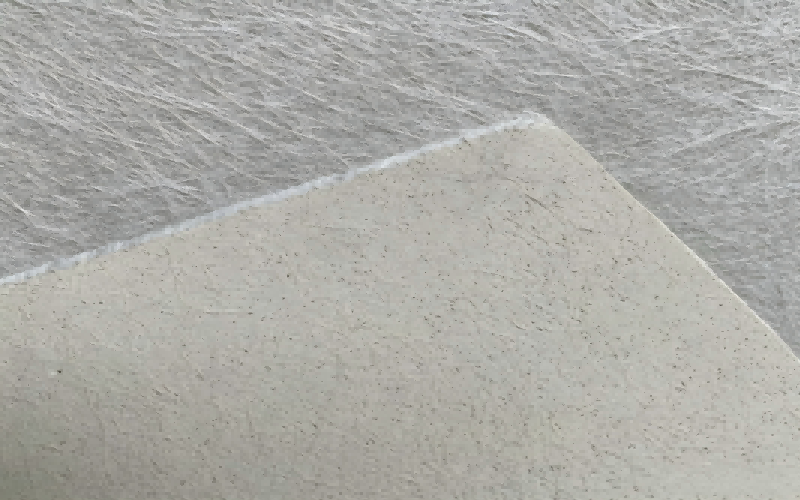
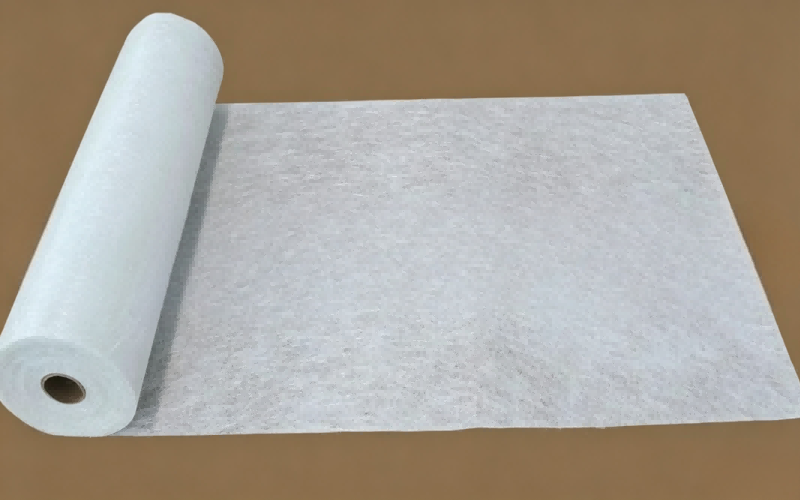
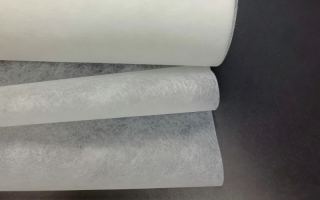
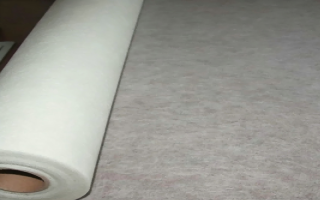
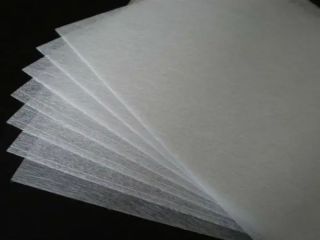
SAFT50-T15 Coated Tissue (50g/m²)
This 50 g/m² coating material can immediately seal the moist polyurethane foam. It adheres firmly to both polyurethane and mineral wool, effectively preventing deformation of the insulation board.
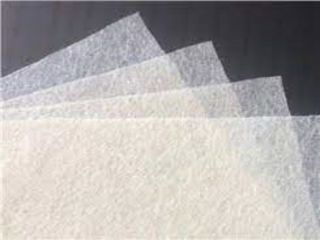
SAFT50-T15 Coated Tissue (50g/m²)
Zero Delamination On Outer Wall Insulation Boards.
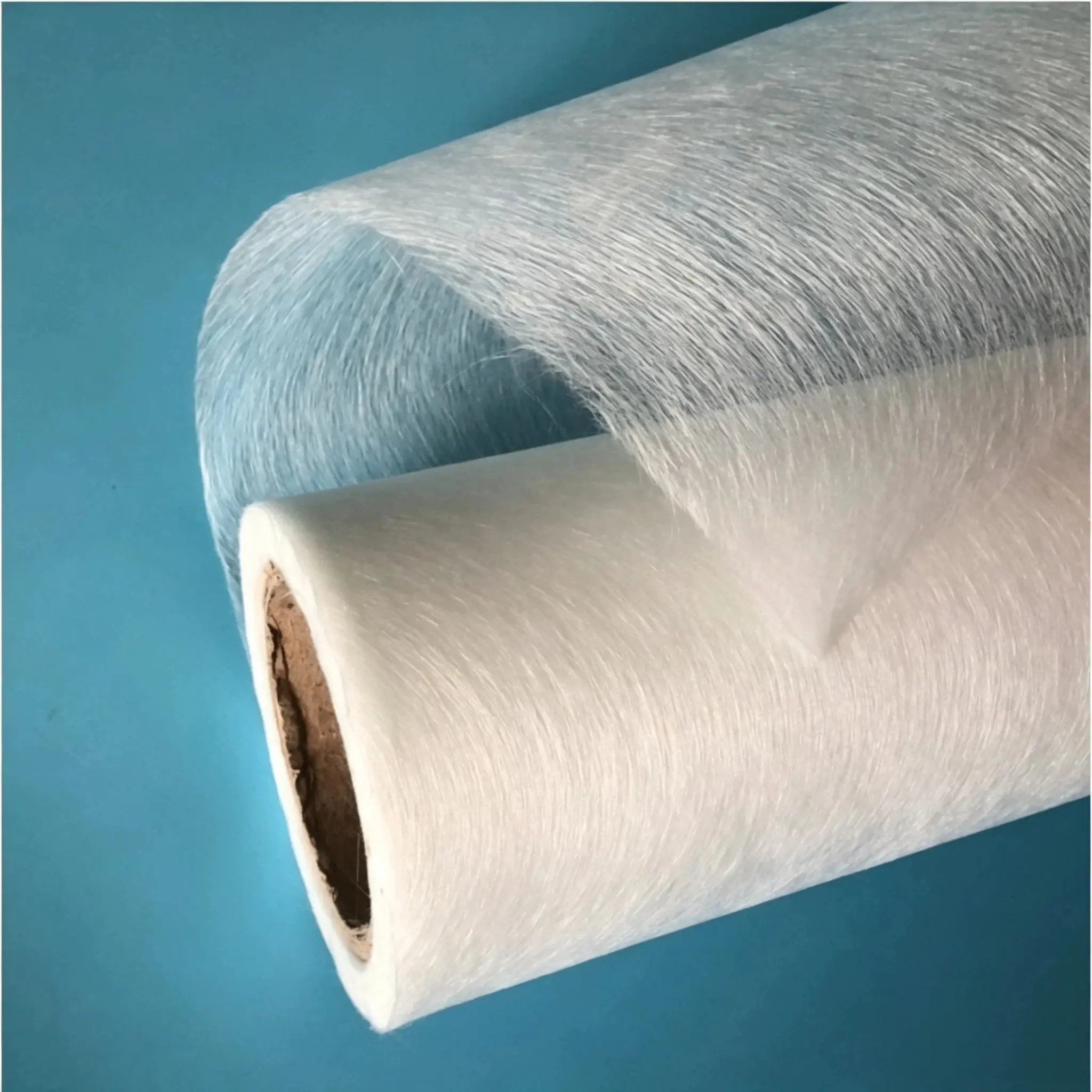
SAXOBRAN® We design SAFT50-T15 for continuous insulation board production lines. Our team found that standard tissues let polyurethane foam bleed through. This messes up your conveyor belts and weakens the bond. This 50g/m² coated tissue seals the wet foam instantly. It locks tight into polyurethane and mineral wool. It stops outer board warping and saves your team hours of machine cleaning.
Industrial Pain Points Solved
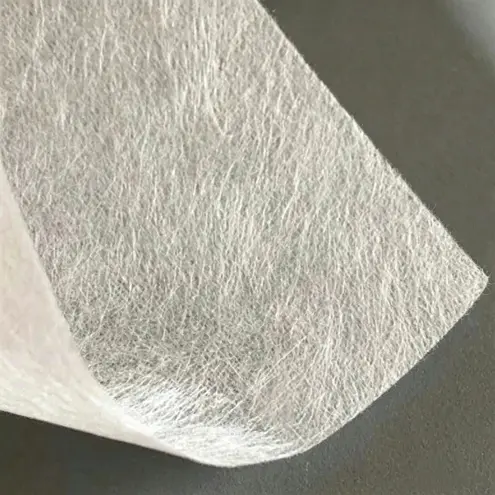
Foam Bleed-Through & Belt Jamming
Raw foam liquid passes right through cheap, porous tissues. It sticks to your high-heat conveyor tracks and hardens. You must stop the line, scrap the board, and chisel off the dried glue.
Our dense, closed-cell barrier coating prevents liquid chemicals from leaking through the mesh structure.
Keep your laminator track completely clean during long, uninterrupted production shifts.
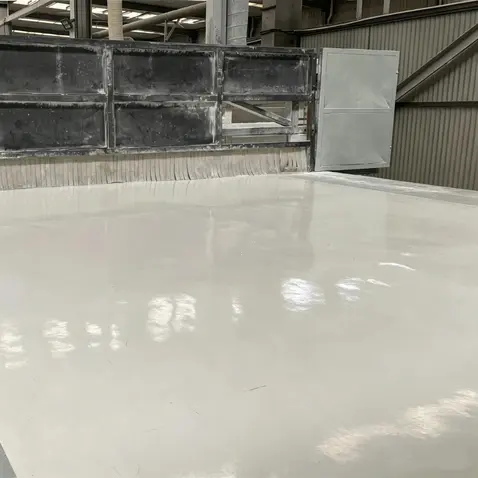
Board Warping & Outer Wall Delamination
Glass tissues that absorb moisture will expand and shrink unevenly during heating. This curves your finished insulation boards, makes them fail flat-check inspection, and peels away on the building site.
Using a low-humidity formula, the glass substrate can maintain its original dimensions even under high-temperature foaming conditions. It can maintain a perfect level and flatness, and adhere firmly to the cement mortar.
Engineered Characteristics
Foam Leak Masking
The specialized top coat stops liquid chemical bleed-through while keeping the backside raw for cement bonding.
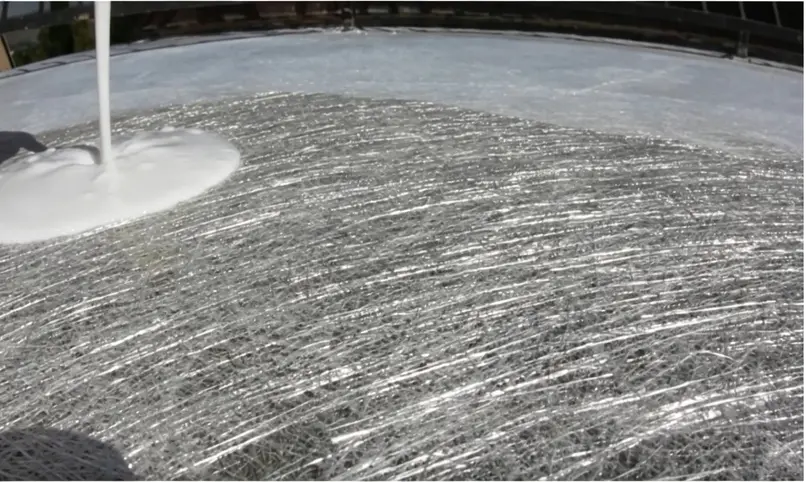
High PU Resin Affinity
Grip fibers anchor directly into liquid polyurethane, polyisocyanurate, or phenolic foam mixes within seconds.
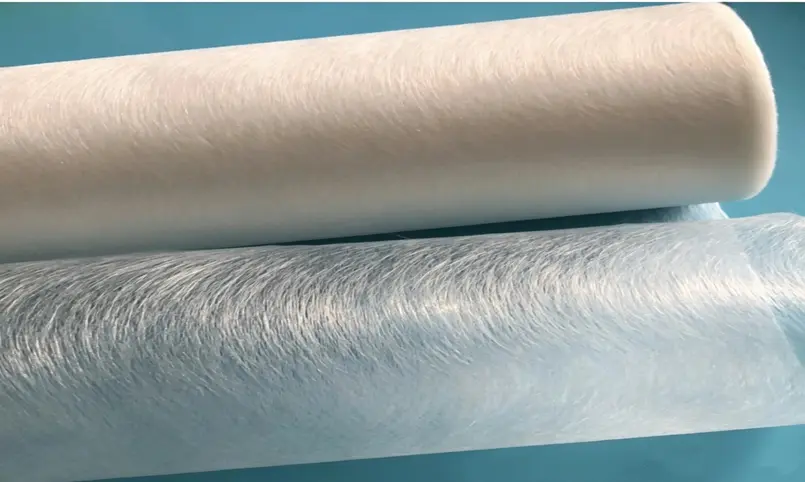
Cross-Directional Pull Stability
Holds its exact width and shape under heavy double-belt pull forces, preventing edge fraying.
Technical Data Sheet
| Technical Parameter | Standard Value | Testing Basis | Engineering Purpose |
| Area Weight | 50g/m²±6% | ISO 3374 | Maintains stable thickness across the entire board surface to ensure even foam spreading. |
| Tensile Strength (MD) | ≥170N/50mm | ISO 3342 | Withstands continuous line tension from fast lamination pullers without tearing. |
| Air Permeability | 180 - 320 L/m²/s | EN ISO 9237 | Allows gas to vent out safely while stopping thick liquid foam from bleeding through. |
| Moisture Content | ≤1.0% | ISO 3344 | Prevents steam pockets and surface blistering during high-temperature baking. |
Processing, Packaging & Logistics Quality
1
Temperature Range
Store only in climate-controlled areas between 15°C and 35°C.
2
Humidity Limits
Maintain room moisture levels below 70% to avoid fiber softening.
3
Stacking Security
Stack rolls vertically, no more than 2 pallets high, to stop flat spots on roll faces.
Global Supply Chain Securement
Thick-Wall Cores: Wound on heavy 3-inch (76mm) cardboard tubes to stop center collapse during container loading.
Waterproof Wrap: Every pallet is wrapped in thick, heat-shrunk PE film with dry silica packs inside.
Zero-Shift Packing: Heavy-duty wooden crates are locked with steel bands and corner cushions to withstand sea-freight drops.
Technical Q&A
Q: How does SAFT50-T15 differ from standard glass tissue used in roofing shingles?
A: Roofing tissues are fully open to absorb hot bitumen. SAFT50-T15 has a tight, one-sided coating. This coating is built specifically to block low-viscosity liquid PU foam while leaving the outer side rough enough to stick to structural mortar.
Q: How do we get the best bond strength with polyurethane foam on our double-belt line?
A: Ensure your foam nozzle heat stays between 40°C and 50°C. If your chemical mix runs too cold, it will not wet the micro-fibers fast enough. This leaves dry spots that can cause the skin to blister later in the sun.
Q: What happens if a roll sits open in the workshop for a few days?
A: Exposed glass fiber picks up ambient moisture fast. If used damp, the heat from the foam reaction will turn that water into steam. This creates large air bubbles between the tissue and the foam core. Always re-wrap open rolls in plastic stretch film if you stop the line for more than 4 hours.