


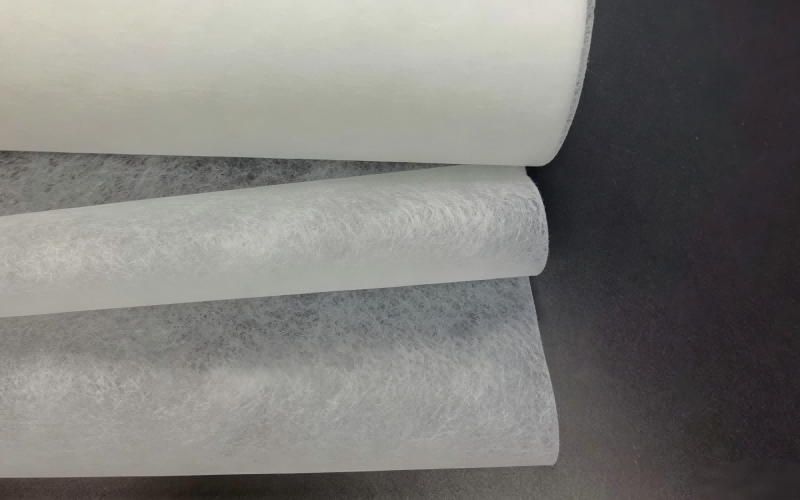
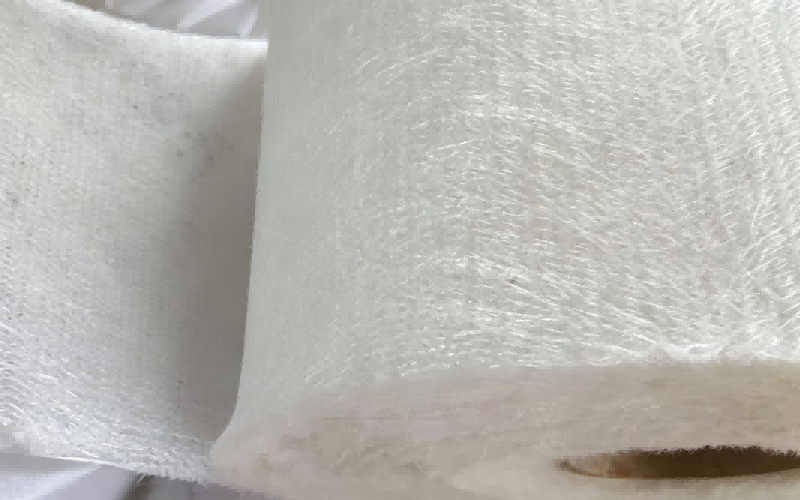
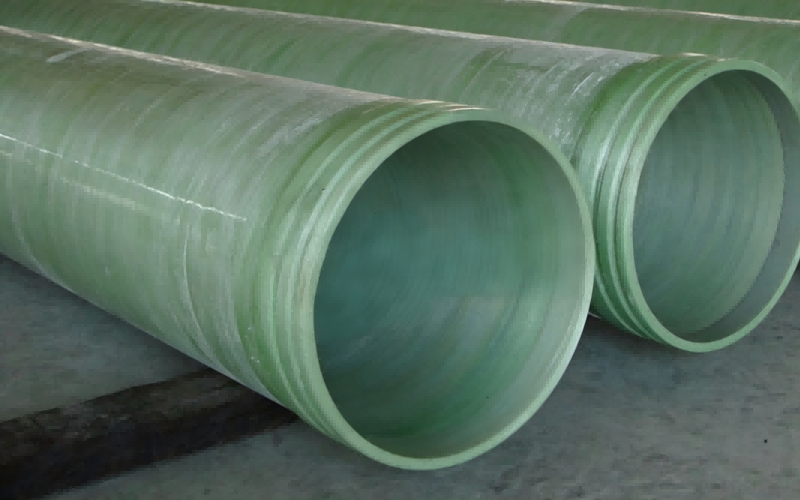
SAST27-W Surface Tissue (27g/m²)
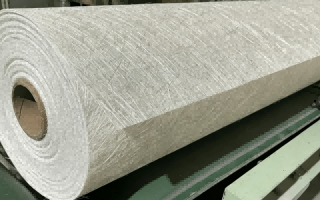
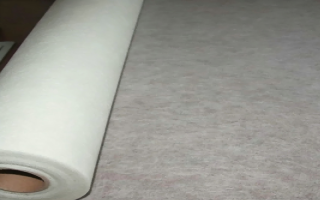
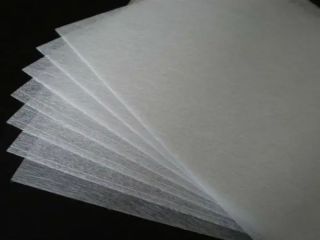
The surfacing veil of SAST27-W instantly wets out and bonds with polyester, vinyl ester, and epoxy resins, forming a smooth, resin-rich anti-corrosion layer on the pipe liner surface that effectively prevents fiber print-through.
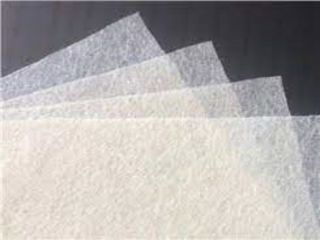
SAST27-W Surface Tissue (27g/m²)
High-Speed Pipe Winding Without Surface Air Pockets.
SAXOBRAN® We design SAST27-W for fast continuous filament winding lines. Our team found that standard veils tear under high line tension, causing pipe leaks and costly line stops. This 27g/m² tissue wets out instantly with polyester, vinyl ester, and epoxy resins. It forms a smooth, resin-rich corrosion barrier on the inner liner. It stops fiber print-through and cuts your pipe scrap rate down right away.
Industrial Pain Points Solved
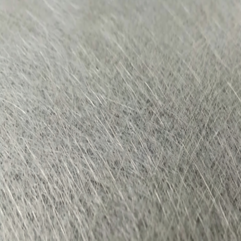
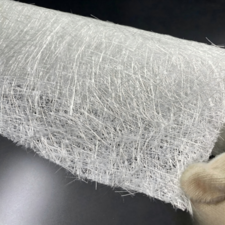
High-Speed Web Tearing & Line Snapping
Fast winding lines pull hard. Weak surface tissues break under inline tension. When the tissue snaps, you must stop the entire mandrel rotation, clean the mess, and restart. This wastes resin and ruins the pipe liner.
We use a fast-dissolving chemical binder that keeps the dry tissue tough and strong under pulling tension.Your operators can run the line at full speed without fear of unexpected tissue breaks.
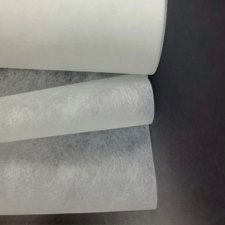
Dry Pockets & Corrosion Liner Pinhole Leaks
Thick or slow-wetting tissues trap air underneath. These tiny air bubbles become pinholes under pressure testing, leading to leaky pipes that fail inspection.
The uniform pore structure lets resin drive out air in less than 3 seconds.Creates a sealed, 0.3mm corrosion-resistant inner wall that easily passes hydro-testing.
Engineered Characteristics
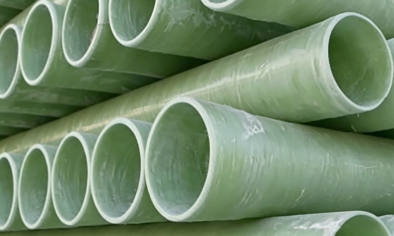
Fiber Print-Through Masking
It covers the coarse structural roving layers completely, creating a glass-smooth outer and inner pipe finish.
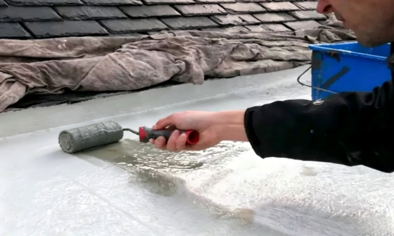
Fast Resin Affinity
Works perfectly with polyester, vinyl ester, and epoxy resins, drawing the liquid through instantly without floating.
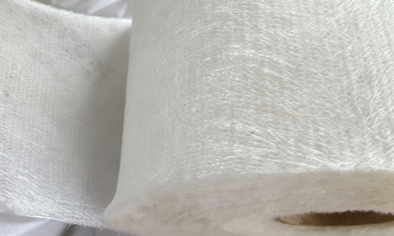
High Wet Tensile Retention
Holds its shape and structural integrity perfectly even when soaked with wet resin on a spinning mandrel.
Technical Specifications Table
| Technical Parameter | Standard Value | Testing Basis | Engineering Purpose |
| Area Weight | 27g/m²±5% | ISO 3374 | Ensures consistent layer thickness and exact resin consumption calculations |
| Tensile Strength (MD) | ≥75N/50mm | ISO 3342 | Prevents web snapping under high-speed winding pull |
| Binder Content | 6% - 10% | ISO 1887 | Balances dry roll handling strength with fast resin wet-out speed |
| Moisture Content | ≤0.2% | ISO 3344 | Prevents steam bubbles and blistering during hot curing cycles |
| Thickness | 0.23mm | ISO 5084 | Defines the exact thickness of the corrosion-resistant barrier |
Processing, Packaging & Logistics Quality
1
Temperature Range
Store at temperatures between 15°C and 35°C.
2
Humidity Limits
Keep humidity levels below 75% to prevent moisture uptake.
3
Stacking Security
Please store coiled items in their original packaging to protect them from dust; do not stack pallets more than two high to avoid crushing the edges of the coils.
Global Supply Chain Securement
Heavy-Duty Cores: Packed on tough 76mm cardboard tubes that will not collapse under heavy transit loads.
Moisture Protection: Every roll is sealed in a thick PE bag with desiccant packs to block sea humidity.
Container Stabilization: Heavy pallets are secured with strap bands and thick air bags to prevent shifting during ocean shipping.
Technical Q&A
Q: How does SAST27-W differ from standard 30g mats used for hand lay-up?
A: The difference is the binder type and tensile setup. Hand lay-up mats use soluble powder binders that dissolve slow to allow molding. SAST27-W uses a specialized emulsified binder that gives high dry strength for machine tension, but wets out instantly on a fast mandrel. It cannot be used for tight manual compound curves.
Q: How can we get the best surface quality with this tissue during continuous winding?
A: Ensure your first structural roving layer does not press too hard against the fresh tissue. Keep your bath resin temperature between 22°C and 28°C to maintain low viscosity. If the resin is too cold, wet-out speed drops, and air may get trapped under the web.
Q: What is the real shelf life after opening the outer PE protective bag?
A: Once the PE bag is open, the glass fibers can absorb moisture from the workshop air. We strongly recommend using the roll within 24 hours after opening. If you have leftovers, wrap the roll tightly with stretch wrap film and store it back in a dry area.