


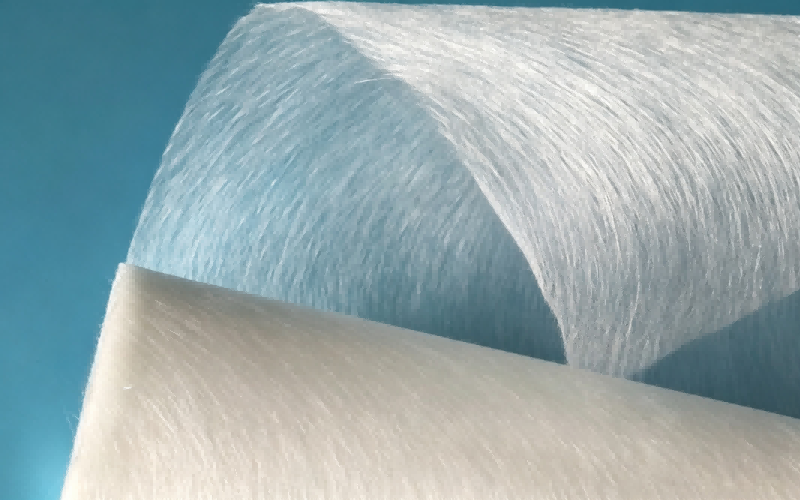
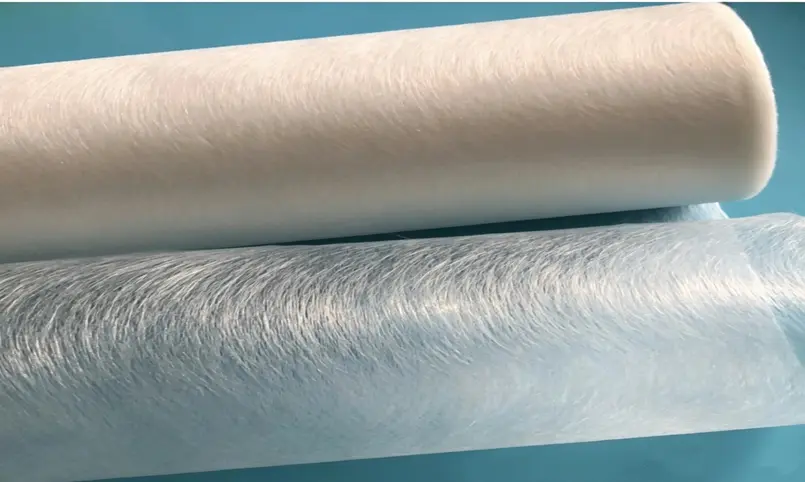
SART40-R FIBERGLASS ROOFING TISSUE (40g/m²)
We found that low-grade veils shrink, wrinkle, and snap under heavy line tension. SART40-R uses a high-tensile 40g/m² glass matrix that runs smooth through 180°C hot asphalt, stopping tear downtime and cutting factory material waste.
-
Related Products
-
![SAST30-E Fiberglass Surface Tissue (30 g/m²)]()
SAST30-E Fiberglass Surface Tissue (30 g/m²)
-
![SACM150-P TRANSLUCENT PANEL TISSUE (150g/m²)]()
SACM150-P TRANSLUCENT PANEL TISSUE (150g/m²)
-
![SACM450-C CHEMICAL & ANTI-CORROSION TISSUE (450g/m²)]()
SACM450-C CHEMICAL & ANTI-CORROSION TISSUE (450g/m²)
-
![SACM300-C CHEMICAL & ANTI-CORROSION TISSUE (300g/m²)]()
SACM300-C CHEMICAL & ANTI-CORROSION TISSUE (300g/m²)
-
![SACM400-M MARINE & TRANSPORTATION TISSUE (400g/m²)]()
SACM400-M MARINE & TRANSPORTATION TISSUE (400g/m²)
-
![SACM100-P TRANSLUCENT PANEL TISSUE (100g/m²)]()
SACM100-P TRANSLUCENT PANEL TISSUE (100g/m²)
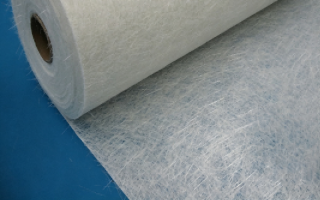
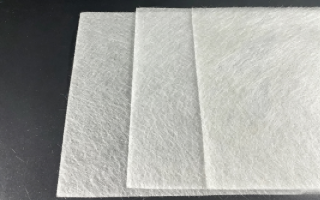
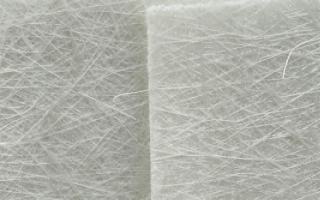
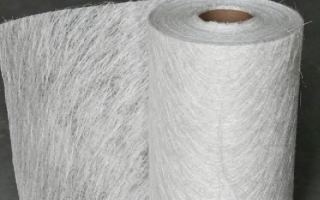
SART40-R FIBERGLASS ROOFING TISSUE (40g/m²)
Takes 180°C Hot Asphalt. Zero Web Snap.
SAXOBRAN® Our team designed SART40-R because we saw asphalt shingle plants stop high-speed coating lines when thin tissue tears in hot bitumen baths. We found that low-grade veils shrink, wrinkle, and snap under heavy line tension. SART40-R uses a high-tensile 40g/m² glass matrix that runs smoothly through 180°C hot asphalt, stopping tear downtime and cutting factory material waste.
Industrial Pain Points Solved.
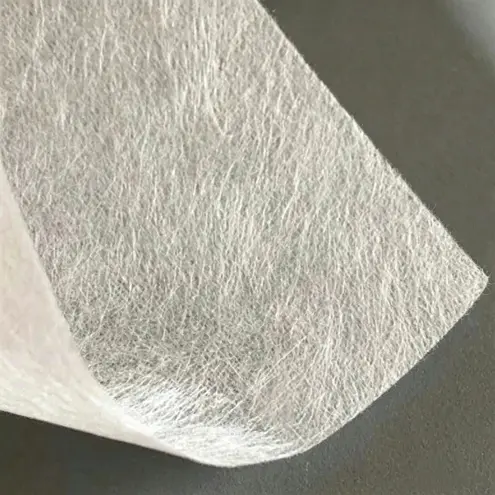
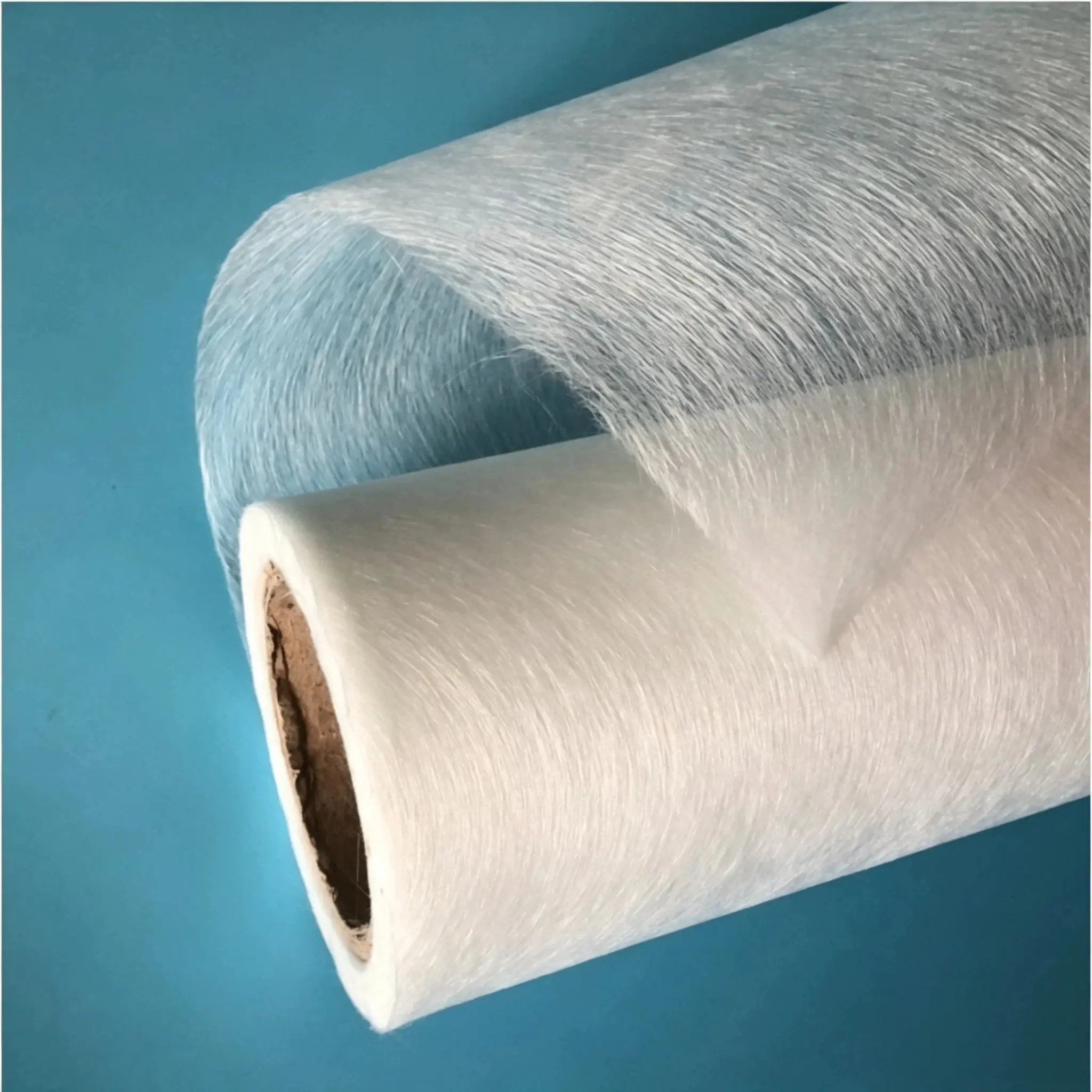
High-Temp Web Snapping and Line Downtime
Hot asphalt baths soften weak binders on thin tissues. The tissue stretches, wrinkles, and snaps under line pull tension, stopping the entire coating line.
Uses a high-temp urea-formaldehyde binder that holds ≥140 N/50mm tensile strength at high heat.Withstands continuous pull tension in 180°C bitumen without edge tears or web breaks.
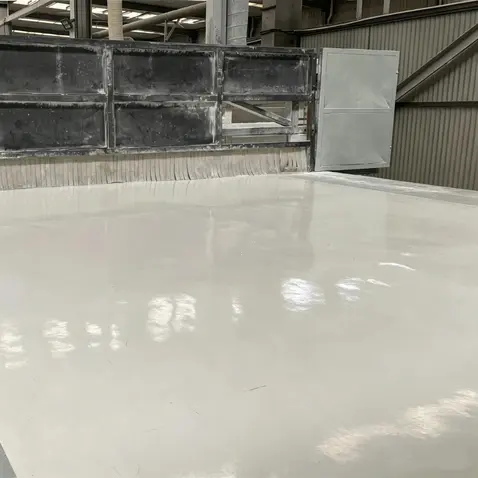
Uneven Bitumen Soaking and Blister Pockets
Tightly packed glass fibers block heavy asphalt from soaking through fast. Trapped air turns into steam pockets during cooling, causing shingle blisters and leaks.
Engineered with an open wet-laid glass fiber structure for rapid capillary flow.Soaks up hot asphalt completely in under 3 seconds, leaving zero dry air pockets inside the shingle core.
Engineered Characteristics
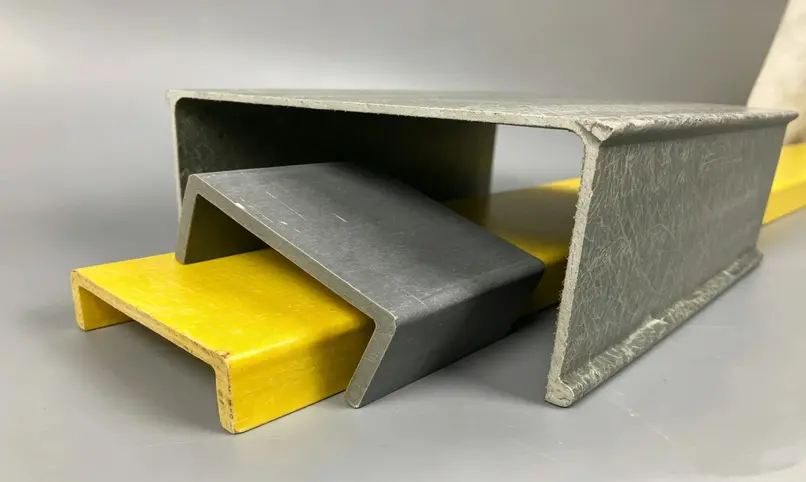
Thermal-Lock Surface Mat
Holds asphalt granules tight on the shingle top layer and prevents asphalt bleed-through during stacking.
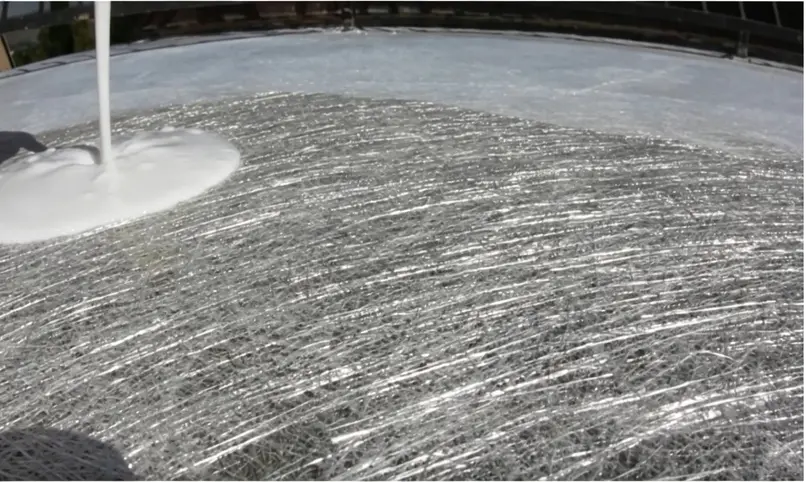
Rapid Hot-Asphalt Saturation
Absorbs modified SBS/APP bitumen instantly to lock fibers inside a dense, waterproof matrix.
Zero-Shrink Hot Tension Stability
Resists shrinking or edge curling inside 180°C hot bitumen baths under continuous line tension.
Technical Specifications Table
| Technical Parameter | Standard Value | Testing Basis | Engineering Purpose |
| Area Weight (Grammage) | 40 g/m² (±5%) | ISO 3374 | Maintains uniform binder and asphalt consumption across long production runs |
| MD Tensile Strength | ≥170 N/50mm | ISO 3342 | Prevents web snaps when pull rollers drag tissue through high-speed lines |
| CD Tensile Strength | ≥70 N/50mm | ISO 3342 | Stops edge tears when high-viscosity asphalt drags across the tissue face |
| Thermal Shrinkage | ≤0.5% (at 180°C) | ASTM D1204 | Prevents sheet wrinkling and edge curling inside hot bitumen coating tanks |
| Asphalt Soaking Time | ≤3 seconds | Internal Standard | Guarantees total bitumen penetration to stop internal air blisters |
| Moisture Content | ≤ 1.0% | ISO 3344 | Prevents steam popping and surface pinholes during high-temp dipping |
Processing, Packaging & Logistics Quality
1
Temperature Range
Store rolls in dry, covered rooms between 10°C and 30°C.
2
Humidity Limits
Keep relative humidity below 65% to stop rolls from absorbing air moisture.
3
Stacking Security
Stack rolls vertically or stack pallets no more than 2 layers high to protect roll edges.
Global Supply Chain Securement
Roll & Core Construction: Rolled tight on heavy-duty 3-inch solid paper cores to prevent core collapse.
Sealed Barrier Packaging: Sealed inside thick PE stretch film to block sea salt and moisture during transit.
Anti-Shifting Loading: Secured on sturdy wooden pallets with protective cardboard caps and steel strapping.
Technical Q&A
Q: What is the fundamental difference in design logic between this model and the standard or general-purpose models within this category?
A: Standard 40g/m² tissues use basic binders designed for low-temperature FRP hand lay-up or light surfacing. SART40-R uses a heavy-duty, high-temperature binder specifically built for asphalt shingle lines. It maintains strong tensile hold inside 180°C bitumen baths, stopping the web tears and thermal shrinkage that cause downtime on high-speed shingle machines.
Q: In practice, how do Asphalt Roofing Shingles work best with this model?
A: Keep your asphalt bath temperature steady between 160°C and 180°C and maintain smooth, constant unwinding tension. Ensure dip tank guide rollers spin freely so the tissue feeds straight into the liquid bitumen without uneven side drag or edge abrasion.
Q: What are the shelf life and storage limitations after opening the original packaging?
A: Once you cut the PE shrink bag, use the roll within 48 hours. In damp plant environments, exposed glass tissue draws moisture from the air quickly. If tissue moisture exceeds 0.2%, hot asphalt causes immediate steam popping, creating micro-pinholes and blisters in cured shingles. Always seal partially used rolls back in PE film.