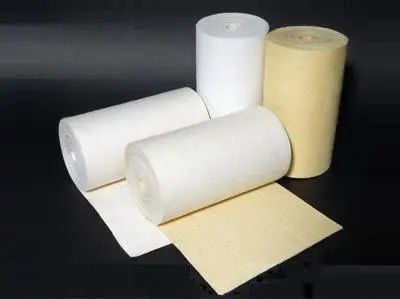
A New Type of Composite Material: Quartz Fiber
2026-03-19 10:07
High-temperature-resistant fibers constitute a specific category within the realm of high-tech fibers and can currently be broadly classified into three main types:
(1) Quartz Fibers: Fibers produced from natural quartz crystals with a purity of 99.95% SiO₂;
(2) High-Silica Glass Fibers: High-purity glass fibers containing over 95% SiO₂, produced via an acid leaching process;
(3) Aluminum Silicate Fibers: Based on their microstructure, these are typically divided into two major categories: crystalline oxide fibers and vitreous staple fibers.
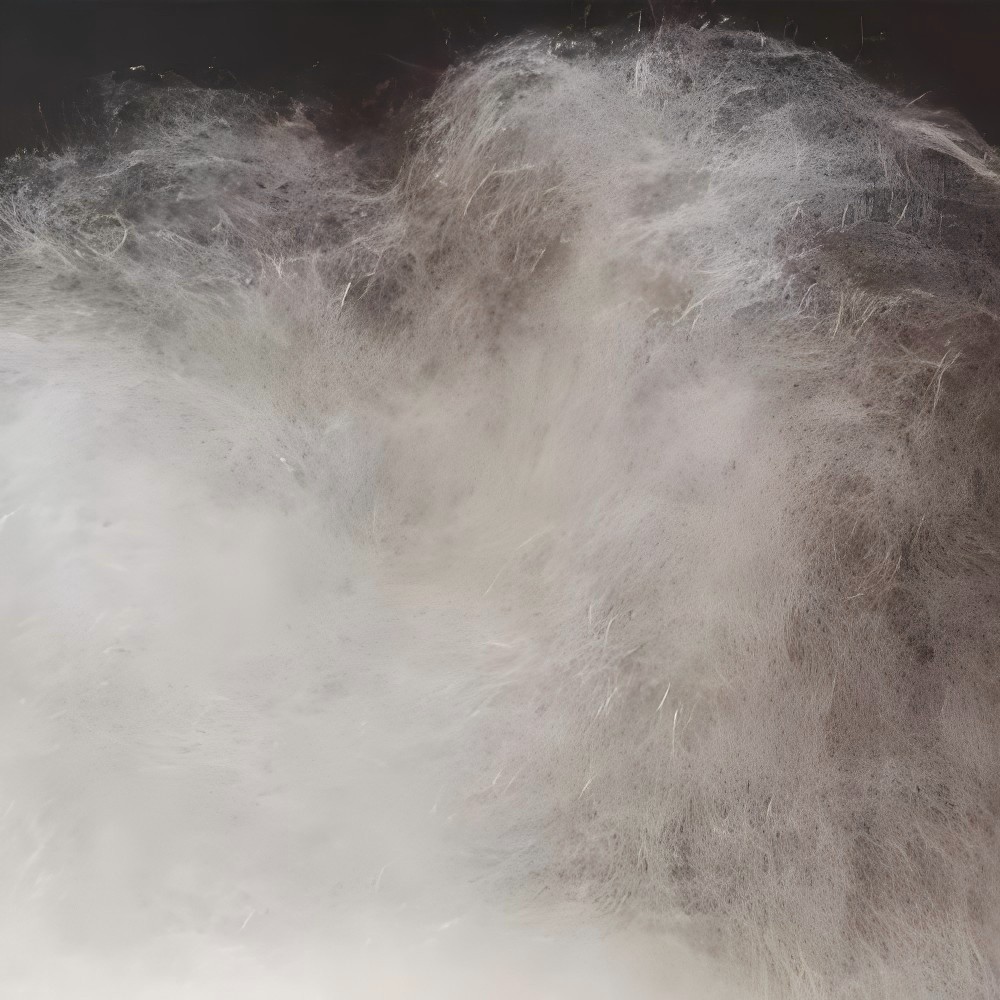
Compared to other materials, quartz fiber exhibits superior chemical stability. Please list some of the application fields for quartz fiber.
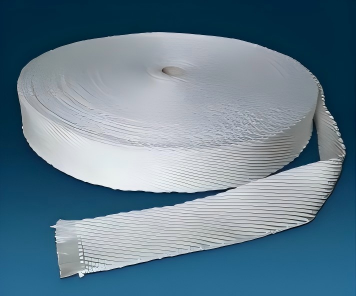
Leveraging a comprehensive and unique array of properties including exceptional dielectric, thermal, mechanical, and chemical characteristics quartz fiber has achieved successful application across numerous aerospace, industrial, and civil projects.
It demonstrates particularly outstanding performance in environments demanding extremely high technical specifications and exceptional reliability. The success of projects across a wide spectrum of fields serves as compelling proof of quartz fiber's leading position among high-performance materials.
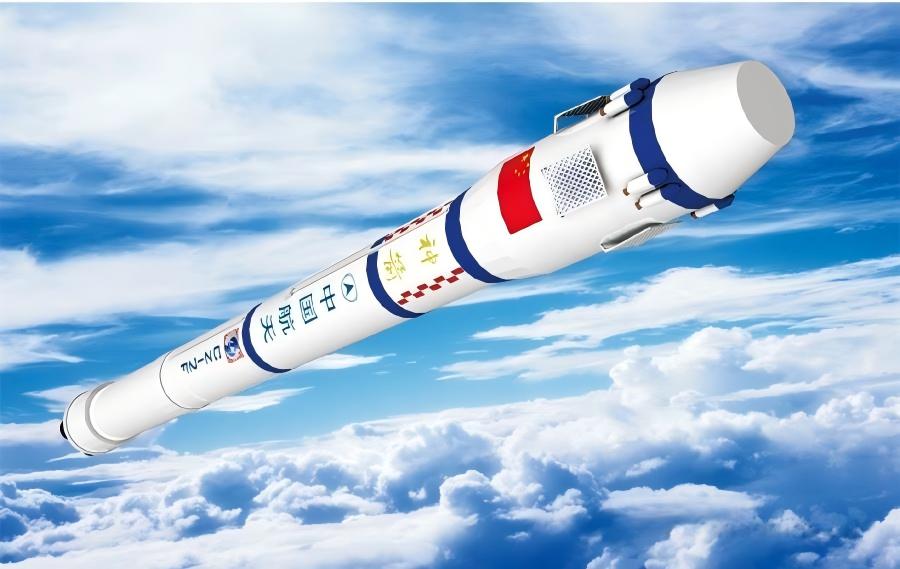
Beyond high end sectors such as aerospace satellite radomes the civilian market is also poised to witness new opportunities for the application of quartz fiber.
This novel material has already been adopted in high speed trains; furthermore, it is utilized in roller sleeves for automotive glass tempering furnaces, as well as in the sheathing of high temperature cables and wiring applications that leverage its exceptional resistance to ultra-high temperatures, superior insulation properties, and excellent tensile strength.

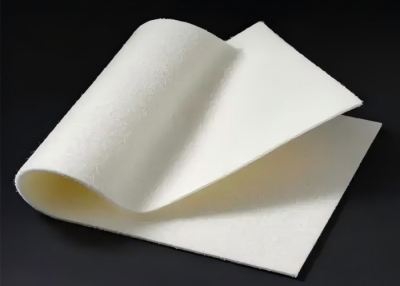
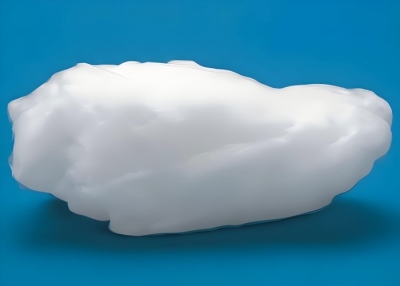
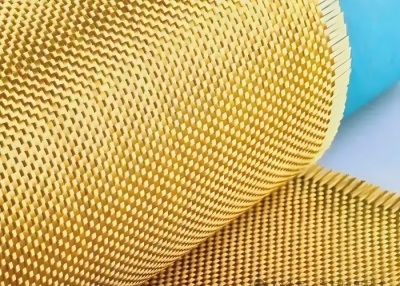
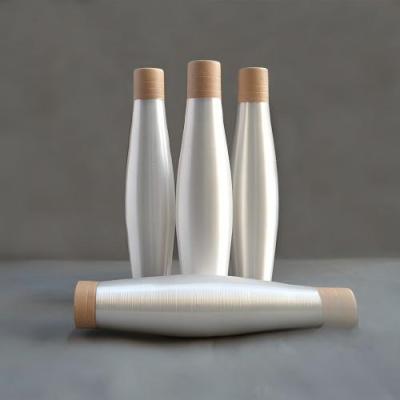
Due to their inherently superior properties, various products manufactured from quartz fibers including fabrics, tapes, yarns, sewing threads, and batting across a wide range of models and specifications have, to a significant extent, enhanced manufacturing processes and product quality within their respective application fields, and have even served to resolve certain technical material challenges.
At present, a substantial gap persists in production technology; therefore, vigorous efforts must be directed toward developing quartz glass fiber manufacturing techniques and expanding product diversity, thereby driving the advancement of my country's aerospace, defense, and semiconductor industries.
When you witness a space launch or hear about the construction of 5G base stations, you might perhaps envision a slender thread forged through the utmost precision of craftsmanship from stone silently underpinning the expansion of these cutting edge technologies.
Related News
Read More >-
Polyimide Wet-laid Nonwoven Fabric—The Ideal Choice for High-Performance Materials
Polyimide non-woven fabric is a high-performance fibrous material manufactured using polyimide as the primary raw material via non-woven fabric technology. Produced using an advanced wet-laid process, it features exceptional high-temperature resistance, robust mechanical strength, and stable chemical properties.
-
![Aramid wet-laid nonwoven fabric]()
Aramid wet-laid nonwoven fabric
Aramid wet-laid nonwoven fabric is a high-performance nonwoven material made from aramid fibers using papermaking wet web forming technology. It has the advantages of high temperature resistance, high strength and uniformity of wet-laid process.
-
![Quartz wool]()
Quartz wool
Quartz wool is made primarily from SiO2 and natural quartz crystals with a purity typically >99.9%, and contains no binders [7] [11-12]. Its products are amorphous, continuous, clump-like white fibers; the irregularity in fiber length, shape, and arrangement gives it a curly appearance.
-
![A Comprehensive Analysis of Aramid Fibers: Properties, Applications, and Future Development]()
A Comprehensive Analysis of Aramid Fibers: Properties, Applications, and Future Development
Aramid fibers have advantages such as ultra-high strength, high modulus, high temperature resistance, acid and alkali resistance, light weight, and wear resistance.
-
![Quartz fiber yarn]()
Quartz fiber yarn
Quartz fiber possesses properties such as high temperature resistance, low thermal conductivity, high strength, and good insulation.
-
![Polyphenylene Sulfide (PPS) Fiber]()
Polyphenylene Sulfide (PPS) Fiber
-
High-Performance Fibers - Aramid III
-
Global Development Trends and Technology Forecast of 11 Types of High-Performance Fibers - Aramid III