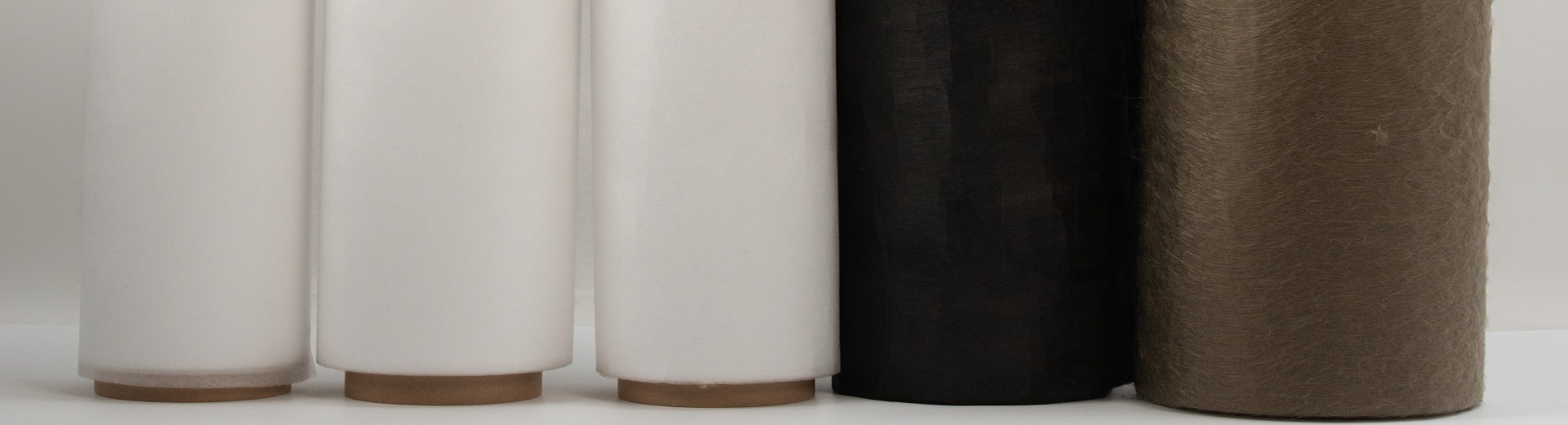
Polyimide Wet-laid Nonwoven Fabric—The Ideal Choice for High-Performance Materials
2026-03-16 17:18
In modern industrial manufacturing, the demand for high performance materials is constantly growing. Particularly in the fields of electronics, aerospace, and high temperature industries, traditional materials often struggle to meet stringent performance requirements.
Polyimide non-woven fabrican advanced, high performance materialis rapidly emerging as a favored choice within the industrial sector due to its unique physicochemical properties.
1. What is Polyimide Wet-Laid Non-Woven Fabric?
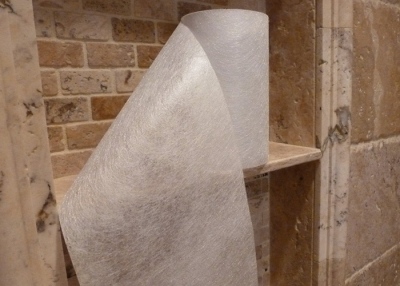
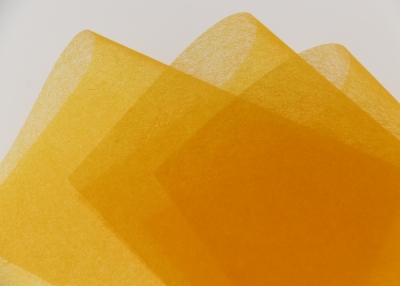
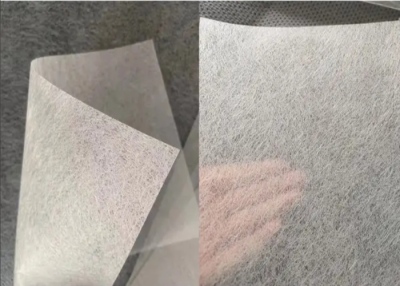
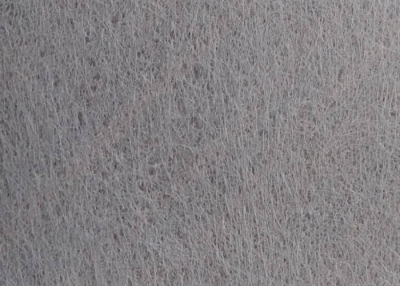
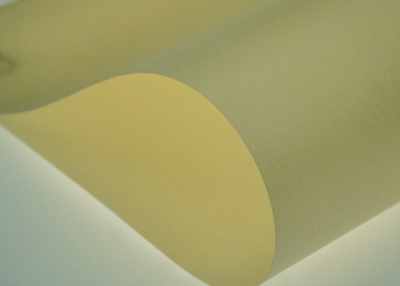
Polyimide non-woven fabric is a high-performance fibrous material produced using non-woven fabric technology, with polyimide serving as the primary raw material. It boasts exceptional high-temperature resistance, robust mechanical strength, and stable chemical properties.
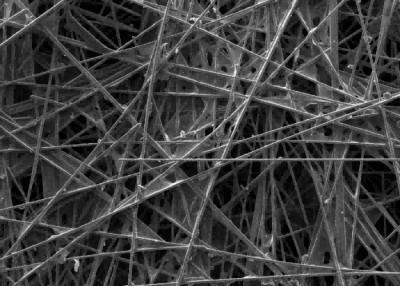
The manufacturing process employs an advanced wet-laid technique: polyimide fibers are uniformly dispersed within a liquid medium and subsequently subjected to deposition, pressing, and thermal treatment to form a continuous non-woven fabric structure.
Compared to traditional dry laid processes, the wet-laid method allows for superior control over fiber distribution and fabric thickness, thereby enhancing the material's uniformity and stability.
2. Key Properties of Polyimide Wet Laid NonWoven Fabric
Exceptional High Temperature Resistance
As a quintessential high-temperature-resistant material, polyimide non-woven fabric can operate stably over extended periods in environments reaching temperatures of up to 400°Cor even higher without undergoing melting, decomposition, or significant performance degradation.
Excellent Mechanical Strength and Flexibility
Non-woven fabrics produced via the wet-laid process feature a well-formed fiber cross-linking structure; this ensures the material is not only tough and durable but also retains a certain degree of flexibility.
Outstanding Thermal Insulation Capabilities
Thermal insulation is a defining characteristic of polyimide non-woven fabric. The material's low thermal conductivity and high dielectric strength enable it to effectively block both heat and electric current.
Chemical Stability and Corrosion Resistance
Polyimide non-woven fabric exhibits exceptional stability when exposed to acids, bases, and most organic solvents. The wet-laid process further enhances the bonding strength between fibers, ensuring the material's long term durability even in harsh environments.
Environmental Friendliness and Processability
Polyimide non-woven fabric produced via the wet-laid process features a relatively eco-friendly manufacturing cycle that requires minimal organic solvents. Furthermore, it can be processed—through methods such as cutting, pressing, and laminating—into various specifications to meet diverse industrial design requirements.
3. Application Fields of Wet-Laid Polyimide Non-Woven Fabric
Applications in the Electronics Industry
In modern electronic devices,particularly those involving high-temperature components and microelectronic circuitry,polyimide non-woven fabric serves as a high-temperature-resistant material and thermal insulation layer. I Non-woven fabrics produced via the wet-laid process feature excellent uniformity and precise thickness control, ensuring the stable operation of electronic components in high-temperature and high-voltage environments.
Aerospace and Defense Industries
In the aerospace sector, polyimide non-woven fabric is primarily utilized as thermal insulation for high-temperature components, as fire-retardant liners, and as a reinforcing layer for composite materials. Its inherent high-temperature resistance makes it widely applicable in engine thermal shielding, aircraft heat protection systems, and fire-safety equipment.
High-Temperature Industrial Equipment
Wet-laid polyimide non-woven fabric is capable of withstanding the extreme temperatures found in high-temperature furnaces, heat treatment equipment, and chemical reactors. By serving as a thermal insulation material, it extends equipment service life while simultaneously enhancing operational safety.
Energy and Environmental Protection Sectors
Polyimide non-woven fabric also finds application in the new energy sector, serving as fuel cell membranes, high-temperature filtration media, and electrical insulation layers. Materials produced via the wet-laid process feature uniform thickness and controllable porosity, thereby ensuring high filtration efficiency and stable insulation performance.
Composite Material Reinforcement
In the field of composite materials, polyimide nonwovens serve as reinforcing substrates, enhancing both the mechanical strength and thermal stability of the composites. The wet-laid process ensures uniform fiber distribution, thereby boosting the overall performance of the composite materials.
4.Advantages and Value of Polyimide Wet-Laid Nonwovens
Stable High-Temperature Performance: Maintains performance over extended periods in high-temperature environments, thereby reducing equipment maintenance costs.
Uniform Thickness and Customizability: Nonwovens produced via the wet-laid process can be customized in terms of thickness and specifications to meet specific client requirements.
Exceptional Thermal Insulation and Dielectric Properties: Provides reliable protection for the electronics industry and extends equipment service life.
Strong Chemical Resistance: Suitable for use in chemical processing and extreme environments, offering a long service life.
Eco-friendly Processing: The production process generates minimal pollution, supporting sustainable development.
Overall, polyimide wet-laid nonwoven fabric is not merely a high-performance material; it represents an ideal choice for industrial upgrading and technological innovation.
5. Future Development Trends
Driven by technological advancements and growing industrial demand, polyimide nonwovens are poised for further development in the following directions:
Functionalized Materials: Enhancing thermal conductivity, anti-static properties, and flame retardancy through nanofilling and composite modification techniques.
Lightweight Design: Enabling high-performance, low-weight material solutions for the aerospace and electronics industries.
Green Manufacturing: The wet-laid process will become even more environmentally friendly, minimizing resource consumption and liquid waste discharge.
Expanded Applications Across Multiple Sectors: Extending beyond the electronics industry into new energy, medical equipment, and high-end manufacturing sectors.
As material technology continues to evolve, polyimide wet-laid nonwovens will play a pivotal role in an increasing number of high-end fields, establishing themselves as indispensable high-performance materials in industrial manufacturing.
Related News
Read More >-
![SART50 Fiberglass Roofing Tissue to Reduce Asphalt Membrane Production Scrap]()
SART50 Fiberglass Roofing Tissue to Reduce Asphalt Membrane Production Scrap
We make this Fiberglass Tissue to carry asphalt during continuous hot dipping and lamination runs.The 50g/m² matrix holds roll tension under high temperatures, stops edge tears, and controls binder loss in hot bitumen dip tanks up to 200°C.
-
![The Industrial Value of Polyimide Wet-Laid Nonwovens]()
The Industrial Value of Polyimide Wet-Laid Nonwovens
Polyimide fiber wet-laid nonwoven fabric is the ideal fiber material for making fire-retardant clothing such as protective suits for armored forces, racing suits, and flight suits. It can also be used to manufacture comfortable and warm functional clothing.
-
![Wet-laid nonwovens are rapidly penetrating the high-end application market, driven by their superior performance.]()
Wet-laid nonwovens are rapidly penetrating the high-end application market, driven by their superior performance.
-
![What makes quartz fiber needle-punched felt the new benchmark for thermal insulation materials?]()
What makes quartz fiber needle-punched felt the new benchmark for thermal insulation materials?
With a temperature resistance limit of 1050°C, an ultra-low thermal conductivity of 0.03 W/(m·K), 30% compressibility and resilience, and 99.95% purity, quartz fiber needle-punched felt is sparking a thermal insulation revolution in the photovoltaic and semiconductor sectors.
-
![High-Performance Quartz Fiber Wet-Laid Nonwovens for Extreme Environments]()
High-Performance Quartz Fiber Wet-Laid Nonwovens for Extreme Environments
Quartzel fiber is a homogeneous, non-porous, continuous, and amorphous ultra-high-purity silica glass. An SiO₂ content of no less than 99.95% ensures the material's exceptional purity and chemical stability. Wet-laid Quartz Fiber Nonwoven manufactured from high-purity yarns that have been cut and subsequently processed via a wet-laid process.
-
![Wet-Laid Glass Fiber Thick Felt Boosts Acoustic Material Upgrades]()
Wet-Laid Glass Fiber Thick Felt Boosts Acoustic Material Upgrades
Wet-process glass fiber thick felt is a novel functional material manufactured using an advanced wet-process technique, specifically designed to address the acoustic and thermal challenges inherent in modern architectural and industrial environments.
-
![From Filtration to New Energy: The Application Landscape of Wet-Laid Glass Fiber Nonwovens Continues to Expand]()
From Filtration to New Energy: The Application Landscape of Wet-Laid Glass Fiber Nonwovens Continues to Expand
It is an innovative industrial material produced by processing electronic-grade chopped fiberglass strands using a specialized wet-laid process. This unique manufacturing method endows it with a range of exceptional physical and chemical properties, serving as a critical foundation for high-performance composite materials.
-
![Applications of Wet-Laid PPS Nonwovens Are Expanding Rapidly]()
Applications of Wet-Laid PPS Nonwovens Are Expanding Rapidly
PPS wet-laid nonwovens are manufactured using an advanced wet-laid process that enables precise control over fiber distribution, endowing the material with an exceptionally fine and uniform microstructure—thereby ensuring the filtration precision and physical strength of the finished product.