


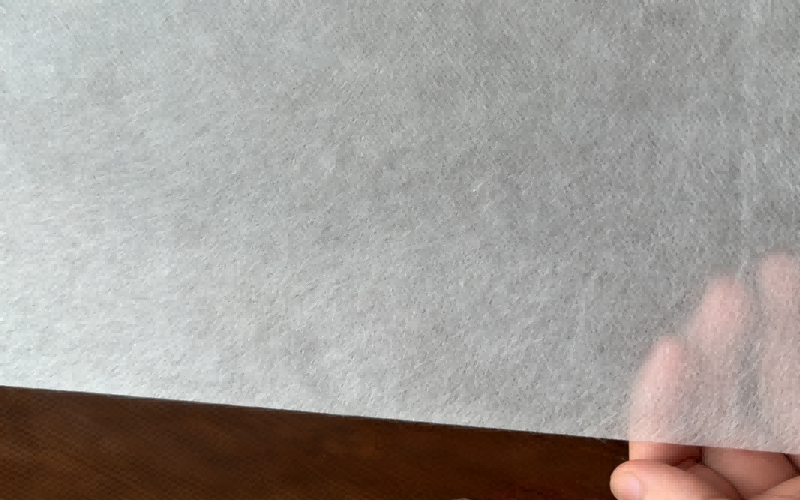
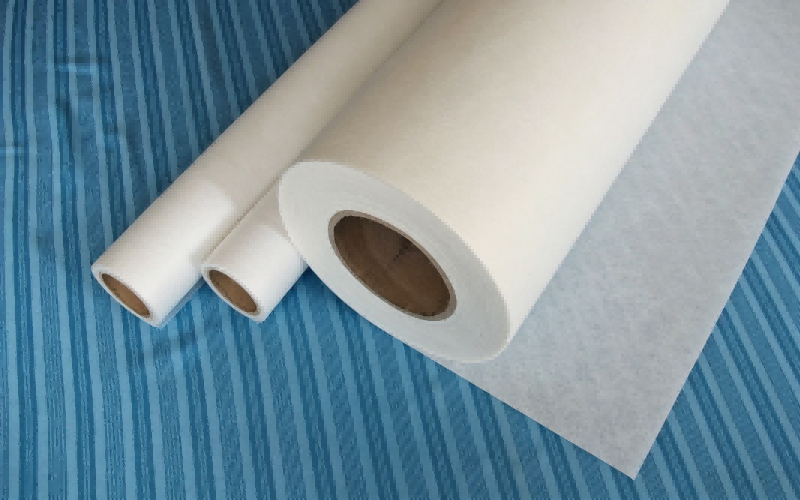
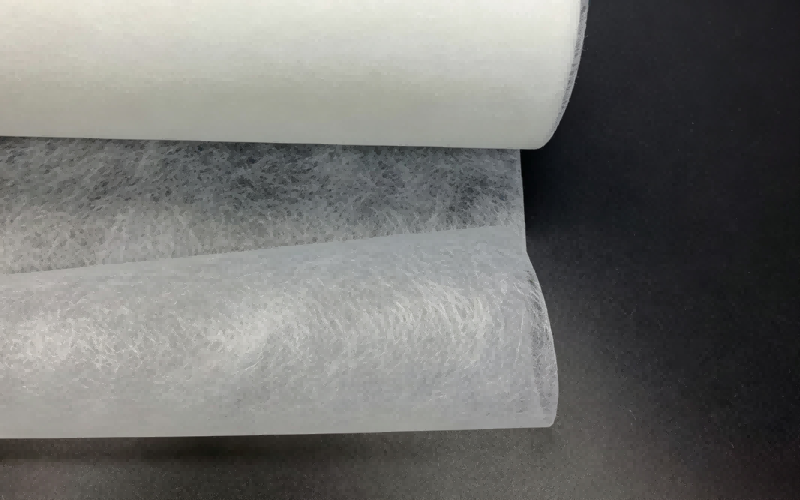
SAFIL30 Fiberglass Filter Tissue (30g/m²)
We found that oil and coal exhaust gases destroy standard filter backings within weeks. SAFIL30 uses a strong wet-laid glass layout. It keeps your filter production line running fast, stops fiber shedding, and lowers waste by 15%.
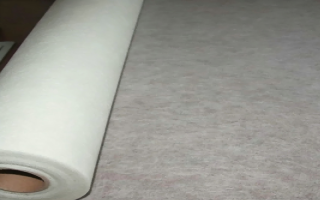
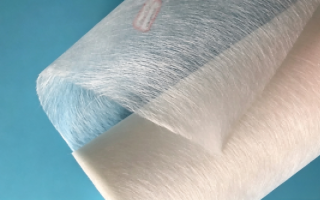
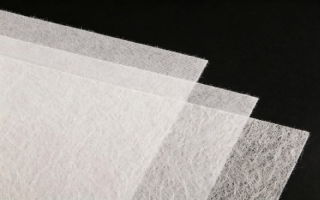
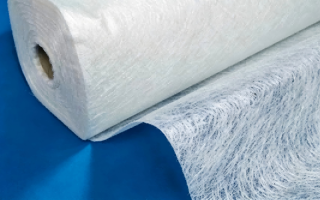
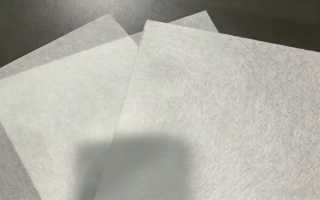
SAFIL30 Fiberglass Filter Tissue (30g/m²)
Continuous 260°C heat limit. No loose fibers.
SAXOBRAN® Our team designed SAFIL30 because we saw too many plants lose money when cheap mats tore under heat. We found that oil and coal exhaust gases destroy standard filter backings within weeks. SAFIL30 uses a strong wet-laid glass layout. It keeps your filter production line running fast, stops fiber shedding, and lowers waste by 15%.
Industrial Pain Points Solved
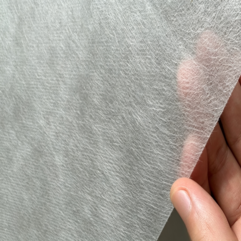
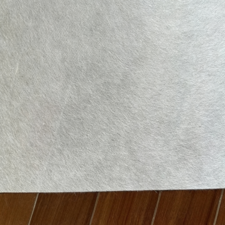
Tension Tears and Line Stops
Thin filter paper often snaps under high tension on automatic winding and pleating machines. This stops your machines, wastes materials, and ruins your daily output.
We boost the tensile strength to ≥120 N/50mm using long, uniform glass filaments.Your machines run at full speed without stopping or tearing the web.
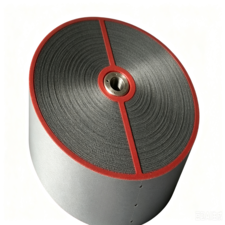
Gel-Coat Micro-Voids & Osmotic Blistering
Sulfur oxides (SOx) in coal and oil exhaust rot weak binders. The fibers separate, block the air holes, and trigger high back-pressure shutoffs.
We use a specialty chemical binder that resists acid and stays stable up to 260°C.Your filters maintain clean air flow and last up to 4,000 hours longer.
Engineered Characteristics
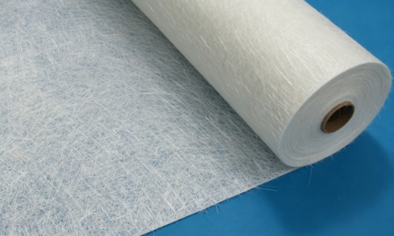
No-Shed Surface Finish
Every glass fiber is locked down flat to stop loose glass dust from escaping into the clean-air stream.
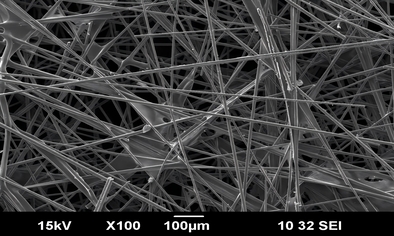
Fast Chemical Wet-Out
The fiber spacing allows PTFE membranes, silicones, and fluorocarbon coatings to bond instantly and deeply.
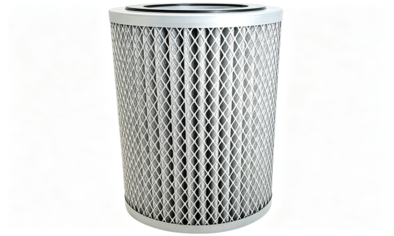
Zero Hot Shrinkage
The isotropic wet-laid structure does not warp or shrink at high temperatures, which keeps your filter frames aligned.
Technical Data Sheet
| Technical Parameter | Standard Value | Testing Basis | Engineering Purpose |
| Area Weight | 30 g/m² (±10%) | ISO 3374 | Ensures uniform thickness and steady air permeability across the roll. |
| MD Tensile Strength | ≥120 N/50mm | ISO 3342 | Prevents web breaks when pulling the sheet through high-speed pleaters. |
| CD Tensile Strength | ≥80 N/50mm | ISO 3342 | Stops edge tears and blowout when high pressure builds inside the filter. |
| Loss on Ignition (LOI) | 10.0% | ISO 1887 | Confirms binder ratio is correct for proper stiffness and clean cutting. |
| Moisture Content | ≤1.0s | ISO 3344 | Prevents steam bubbles when laminating to hot synthetic membranes. |
| Max Working Temp | 260°C | ASTM D2863 | Keeps the backing layer from melting or burning in hot gas systems. |
Processing, Packaging & Logistics Quality
1
Temperature Range
Store rolls in a dry room between 15°C and 35°C.
2
Humidity Limits
Keep humidity below 75% to stop moisture build-up.
3
Stacking Security
Do not stack pallets more than 2 levels high to protect roll shape.
Global Supply Chain Securement
Roll & Core Construction: Every roll is wound on a heavy-duty, 3-inch cardboard core.
Sealed Barrier Packaging: Wrapped tight in thick, waterproof PE film to block dust and rain.
Anti-Shifting Loading: Pallets are secured with hard corner boards and shipped with container air bags.
Technical Q&A
Q: How does SAFIL30 compare to cheap 30g/m² roofing tissue?
A: Roofing tissue uses a cheap binder that degrades in heat. SAFIL30 uses a cross-linked chemical binder. This binder does not dissolve in acidic fuel oil exhaust or smoke.
Q: What is the best heat range for laminating this to a PTFE membrane?
A: Our team found that keeping your heating rollers between 180°C and 220°C works best. If you exceed 280°C, the binder will start to smoke and lose its grip.
Q: How long can we store an opened roll on our workshop floor?
A: Use it within 30 days of opening. The glass fibers will slowly absorb humidity from your workshop air, which can cause laminating errors later.