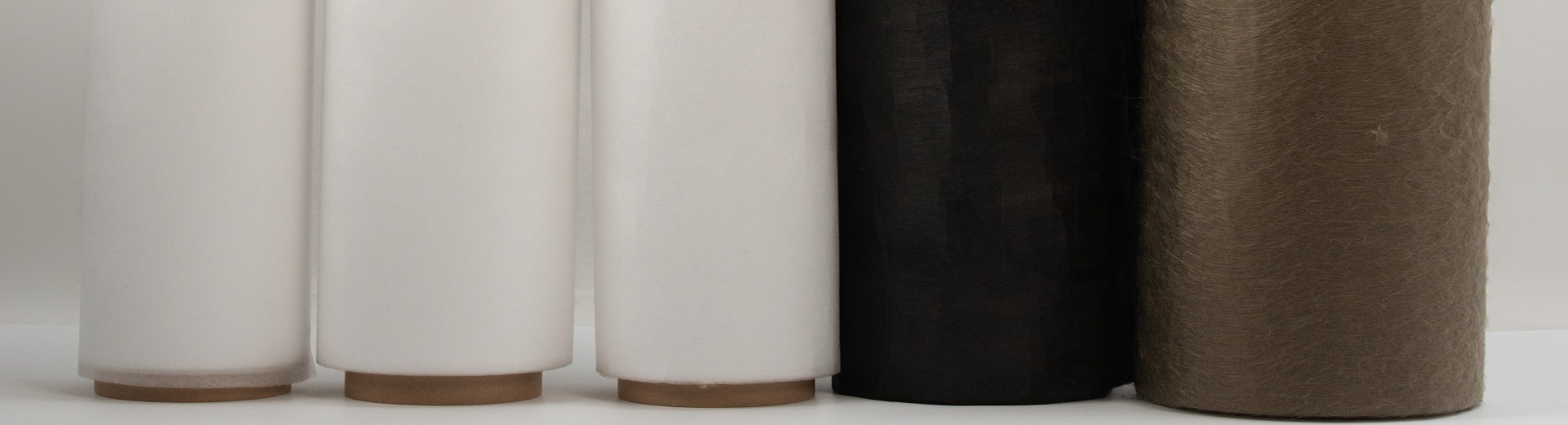
30g/m² Fiberglass Tissue for Inner and Outer Surface Treatment of FRP Products
2026-09-17 11:20
Technical Overview
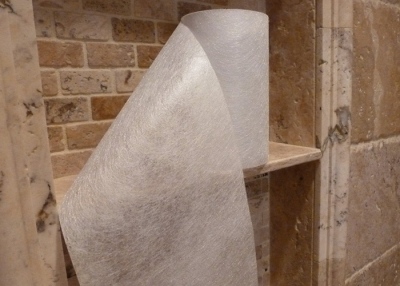
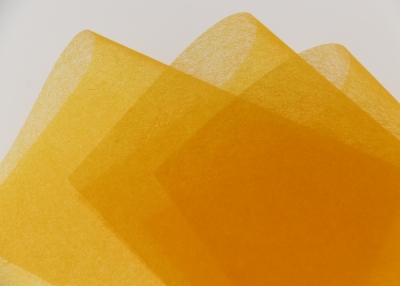
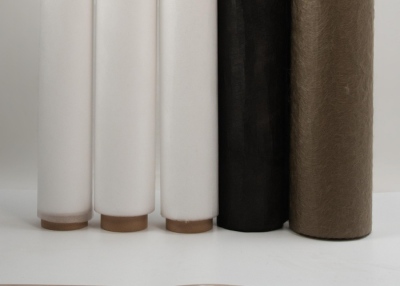
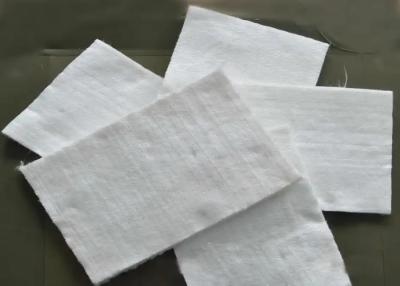
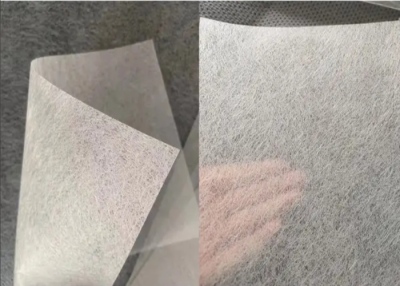
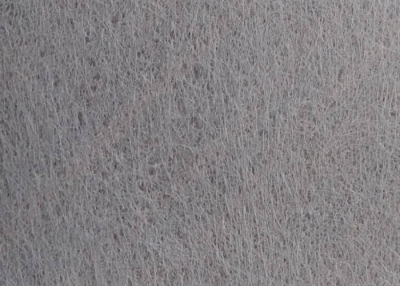
SAXOBRAN SART30 is a wet-laid non-woven Fiberglass Surface Tissue engineered for high-smoothness FRP mold lining and composite finishing.
We produce this Fiberglass Tissue to form a resin-rich layer on the inner corrosion-resistant lining and outer exterior surface of FRP tanks, pipes, and pultruded profiles.
The light 30g/m² matrix masks the coarse structural roving pattern, prevents resin cracking under thermal stress, and holds fast resin wet-out within 5 seconds.
Factory teams use SART30 to protect FRP equipment against chemical corrosion and outdoor weathering.
Technical Specifications Table (TDS)
| Technical Parameter | Metric Value | Test Standard | Workshop Function & Purpose |
| Unit Weight (Grammage) | 30 g/m² (±5%) | ISO 3374 | Controls exact Fiberglass Tissue weight to build a uniform resin surface coat |
| Loss on Ignition (LOI) | ≤ 10 | ISO 1887 | Holds fiber matrix structure during hand lay-up, filament winding, and pultrusion |
| MD Tensile Strength | ≥ 25 N/50mm | ISO 3342 | Prevents web snaps under inline winding tension and die entry pull |
| Moisture Content | ≤ 0.5% | ISO 3344 | Stops steam bubbles, surface pinholes, and blistering during resin curing |
| Penetrating Time | ≤10 ( Two layers ) | ISO 3342 | Enables fast resin wet-out during high-speed lamination and winding runs |
Key Features & Workshop Problem Solvers
Masks Coarse Roving Pattern
Rough glass roving leaves print-through marks on FRP component surfaces. SART30 Fiberglass Surface Tissue places a fine fiber matrix on the mold face. The 30g/m² layer hides glass strand patterns, creates a smooth exterior coat, and reduces gel coat sanding work.
Fast Resin Wet-Out Under 5 Seconds
Slow resin saturation creates dry glass spots and internal air pockets in FRP linings. SART30 Fiberglass Tissue uses a fast-dissolving binder system. Polyester, vinyl ester, and epoxy resins penetrate the glass veil in under 5 seconds, stopping air traps that trigger chemical leaks in storage tanks.
Controls Surface Micro-Cracking Under Stress
FRP pipe inner linings crack when subjected to thermal expansion and fluid pressure. SART30 builds a flexible 90% resin-rich layer on internal walls. This barrier locks chemical resistance, prevents fluid migration into structural reinforcement layers, and stops stress micro-cracking.
Target Applications & Processing Lines
FRP Chemical Tank & Pipe Lining (Filament Winding)
Winding operators feed SART30 Fiberglass Surface Tissue onto the mandrel as the initial inner corrosion layer for chemical tanks and pipes. The Fiberglass Tissue holds resin tight to form a seamless, chemical-resistant barrier before the main structural glass roving winding begins.
FRP Pultrusion & Hand Lay-up Mold Surface Finishing
Pultrusion die operators pull SART30 into the shaping die to cover structural roving bundles. The Fiberglass Surface Tissue reduces die friction, prevents profile surface cracking, and delivers a smooth, weather-resistant finish on pultruded structural beams and gratings.
Frequently Asked Questions (Technical FAQ)
Q: Which resin types are compatible with SART30 Fiberglass Surface Tissue?
A: SART30 works with unsaturated polyester resin (UPR), vinyl ester resin (VER), and epoxy resins. The binder system in the Fiberglass Tissue dissolves rapidly in styrene to achieve full wet-out in under 5 seconds.
Q: How does SART30 prevent print-through on FRP molded surfaces?
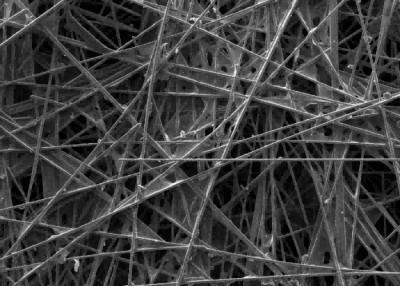
A: SART30 uses ultra-fine glass filaments spread evenly across a 30g/m² weight. Placed against the mold surface, the Fiberglass Surface Tissue absorbs resin to form a smooth surface skin that blocks underlying coarse roving strands from showing through.
Q: What happens if SART30 absorbs room moisture before lay-up?
A: Moisture content above 0.2% causes resin clouding, pinholes, and poor fiber-resin bonding during curing. Keep opened Fiberglass Tissue rolls wrapped in PE film when not in active production on the shop floor.
Related News
Read More >-
![SART50 Fiberglass Roofing Tissue to Reduce Asphalt Membrane Production Scrap]()
SART50 Fiberglass Roofing Tissue to Reduce Asphalt Membrane Production Scrap
We make this Fiberglass Tissue to carry asphalt during continuous hot dipping and lamination runs.The 50g/m² matrix holds roll tension under high temperatures, stops edge tears, and controls binder loss in hot bitumen dip tanks up to 200°C.
-
![The Industrial Value of Polyimide Wet-Laid Nonwovens]()
The Industrial Value of Polyimide Wet-Laid Nonwovens
Polyimide fiber wet-laid nonwoven fabric is the ideal fiber material for making fire-retardant clothing such as protective suits for armored forces, racing suits, and flight suits. It can also be used to manufacture comfortable and warm functional clothing.
-
![Wet-laid nonwovens are rapidly penetrating the high-end application market, driven by their superior performance.]()
Wet-laid nonwovens are rapidly penetrating the high-end application market, driven by their superior performance.
-
![What makes quartz fiber needle-punched felt the new benchmark for thermal insulation materials?]()
What makes quartz fiber needle-punched felt the new benchmark for thermal insulation materials?
With a temperature resistance limit of 1050°C, an ultra-low thermal conductivity of 0.03 W/(m·K), 30% compressibility and resilience, and 99.95% purity, quartz fiber needle-punched felt is sparking a thermal insulation revolution in the photovoltaic and semiconductor sectors.
-
![High-Performance Quartz Fiber Wet-Laid Nonwovens for Extreme Environments]()
High-Performance Quartz Fiber Wet-Laid Nonwovens for Extreme Environments
Quartzel fiber is a homogeneous, non-porous, continuous, and amorphous ultra-high-purity silica glass. An SiO₂ content of no less than 99.95% ensures the material's exceptional purity and chemical stability. Wet-laid Quartz Fiber Nonwoven manufactured from high-purity yarns that have been cut and subsequently processed via a wet-laid process.
-
![Wet-Laid Glass Fiber Thick Felt Boosts Acoustic Material Upgrades]()
Wet-Laid Glass Fiber Thick Felt Boosts Acoustic Material Upgrades
Wet-process glass fiber thick felt is a novel functional material manufactured using an advanced wet-process technique, specifically designed to address the acoustic and thermal challenges inherent in modern architectural and industrial environments.
-
![From Filtration to New Energy: The Application Landscape of Wet-Laid Glass Fiber Nonwovens Continues to Expand]()
From Filtration to New Energy: The Application Landscape of Wet-Laid Glass Fiber Nonwovens Continues to Expand
It is an innovative industrial material produced by processing electronic-grade chopped fiberglass strands using a specialized wet-laid process. This unique manufacturing method endows it with a range of exceptional physical and chemical properties, serving as a critical foundation for high-performance composite materials.
-
![Applications of Wet-Laid PPS Nonwovens Are Expanding Rapidly]()
Applications of Wet-Laid PPS Nonwovens Are Expanding Rapidly
PPS wet-laid nonwovens are manufactured using an advanced wet-laid process that enables precise control over fiber distribution, endowing the material with an exceptionally fine and uniform microstructure—thereby ensuring the filtration precision and physical strength of the finished product.