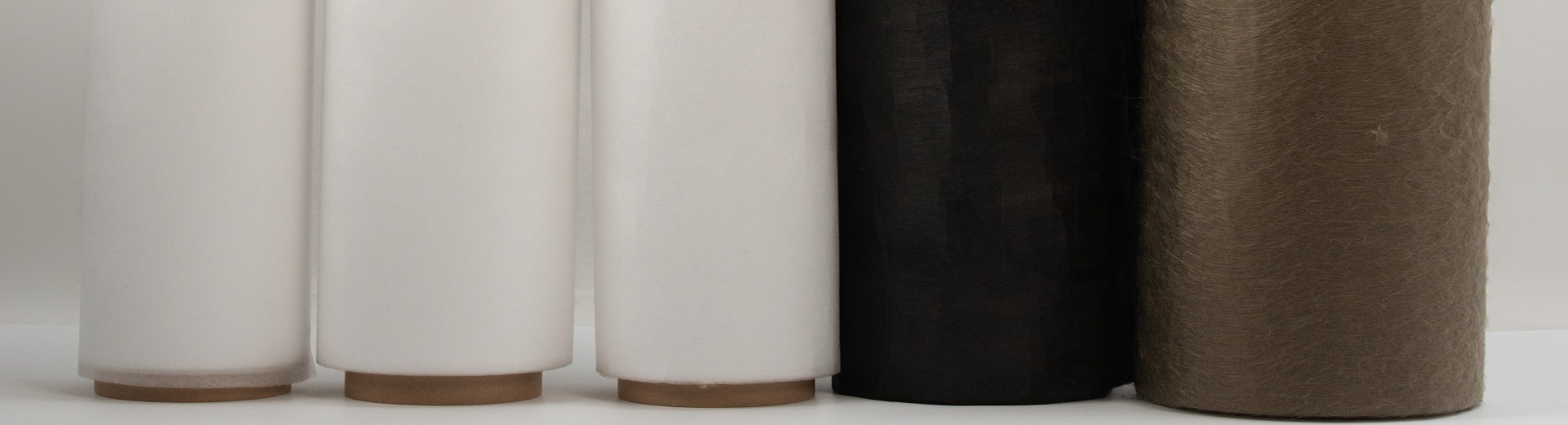
From Filtration to New Energy: The Application Landscape of Wet-Laid Glass Fiber Nonwovens Continues to Expand
2026-05-26 11:17
1.What is wet-laid fiberglass nonwoven fabric?
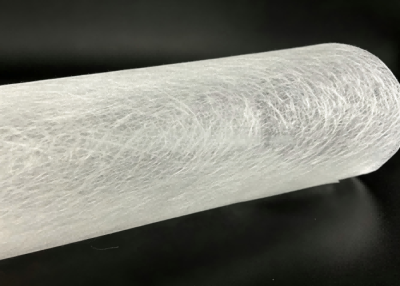
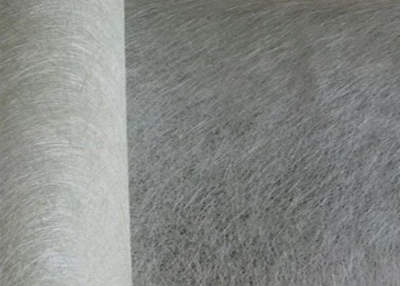
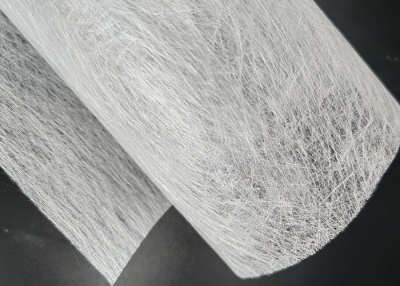
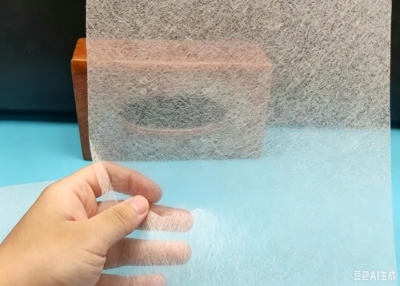
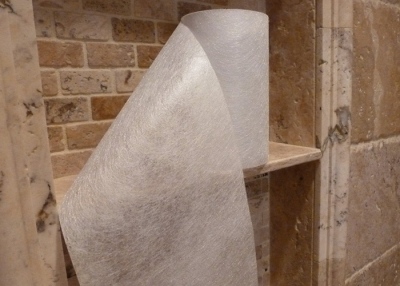
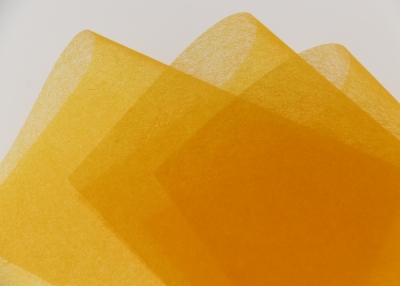
It is an innovative industrial material produced by processing electronic-grade chopped fiberglass strands using a specialized wet-laid process. This unique manufacturing method endows it with a range of exceptional physical and chemical properties, serving as a critical foundation for high-performance composite materials.
Wet-laid Fiberglass Nonwoven Core Materials
• Alkali free Chopped Glass Fiber (E-Glass): Serves as the "skeleton," providing high strength and excellent chemical stability.
• Specialized Adhesive: Acts as the "binder," tightly bonding the fibers together to impart flexibility and overall structural integrity to the material.
Wet-laid Fiberglass Nonwoven Core Process: Wet Forming
Simulating the principles of papermaking, this process ensures the random and uniform distribution of fibers within a three dimensional space. This endows the final product with distinct advantages, such as a smooth surface, uniform pore size distribution, and stable air permeability.
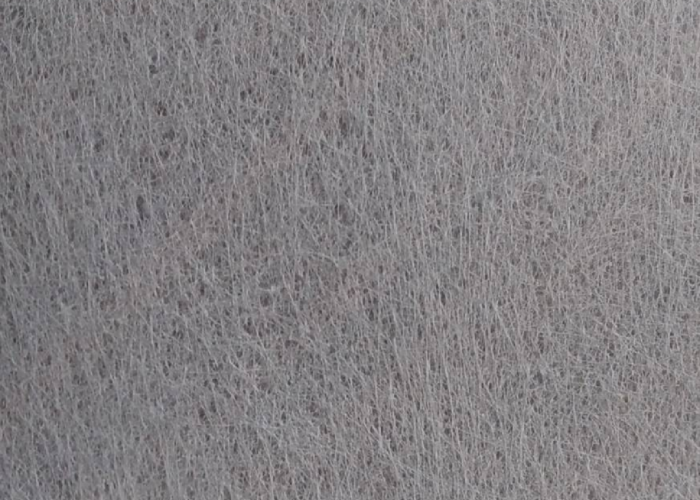
2.Wet-laid Fiberglass Nonwoven Environmental Applications: Zeolite / Desiccant Rotor Support Substrates
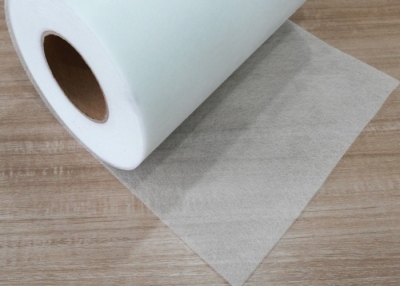
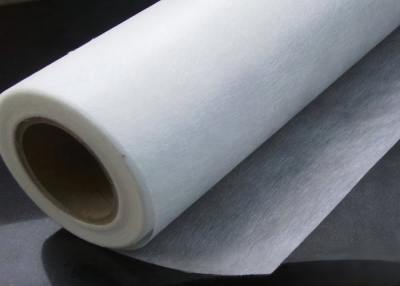
In zeolite rotor and desiccant rotor systems, glass fiber paper serves as the core structural support material; it not only provides a substrate for the adsorbent to adhere to but also directly determines the rotor's overall structural integrity, heat exchange efficiency, and service life.
Zeolite Rotor(glass fiber paper)
Featuring high temperature resistance and resistance to acid-base corrosion, the glass fiber paper framework ensures the stability of the zeolite adsorbent during high temperature desorption cycles and prolonged operation, effectively capturing and decomposing volatile organic compounds (VOCs) present in industrial exhaust gases.
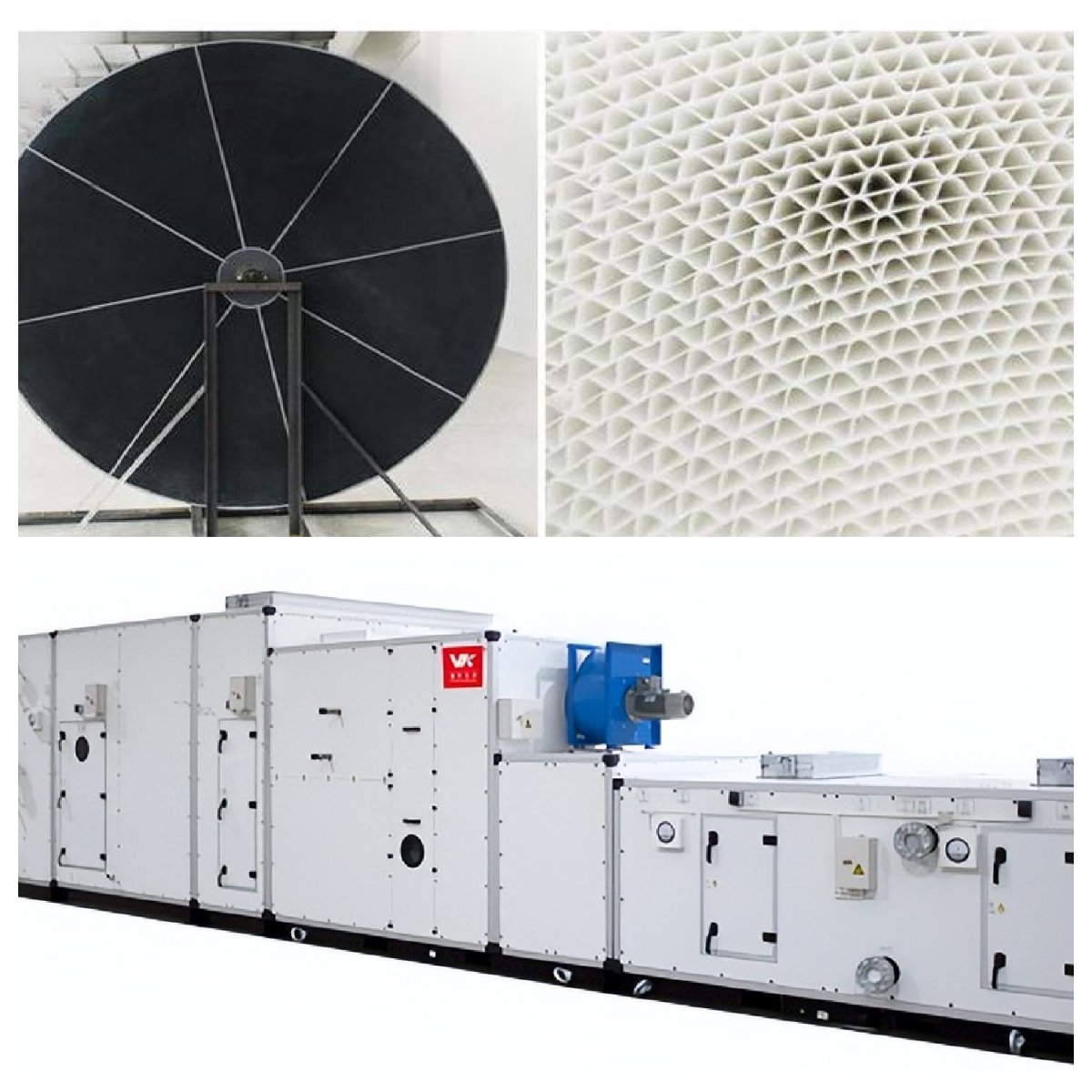
Desiccant Rotor(glass fiber paper)
With its high air permeability and exceptional dimensional stability, glass fiber paper serves as an ideal carrier for moisture absorbing agents (such as silica gel or molecular sieves), delivering efficient and long lasting dehumidification capabilities in applications requiring low-dew-point air processing particularly in precision manufacturing sectors such as lithium-ion battery production and electronics.
Technical Indicators | Unit | Specification 1 | Specification 2 | Specification 3 |
Grammage | g/㎡ | 23 | 25 | 30 |
Thickness (2.8kpa) | mm | 0.20 | 0.22 | 0.28 |
Combustible Content | % | 7-9 | 7-9 | 7-9 |
Longitudinal Tensile Strength (dry/wet) | N/5cm | ≥50 / ≥25 | ≥50 / ≥30 | ≥65 / ≥35 |
Density / | - | 0.11g/cm³ / fast | 0.11g/cm³ / fast | 0.11g/cm³ / fast |
Catalyst Substrate(glass fiber paper)
In industrial waste gas treatment systems such as those utilizing VOC catalytic combustion the performance of the catalyst substrate directly determines purification efficiency.
Thanks to its unique microstructure, glass fiber paper not only effectively supports and anchors the active components of the catalyst but also provides an ample specific surface area for reactions, thereby ensuring thorough contact between the waste gas and the catalyst.
Detailed explanation of technical indicators(glass fiber paper)
Basis Weight (g/m²) Longitudinal Tensile Strength (Wet) (N/5cm)
Spec 1: 25 | Spec 2: 42 Spec. 1: ≥25 | Spec. 2: ≥30
Thickness (2.8 kPa) (mm) Liquid Absorption Capacity (1 min) (g/g)
Spec 1: 0.20 | Spec 2: 0.42 Spec 1: 700 | Spec 2: 780
Combustible Content (%) Air Permeability (L/m²/s)
Spec 1: 7–9 | Spec 2: 7–9 Spec 1: 2500 | Spec 2: 2000
Density (g/cm³) Liquid Absorption Rate (s)
Spec 1: 0.11 | Spec 2: 0.11 Spec 1: 1 | Spec 2: 1
Longitudinal Dry Tensile Strength (N/5cm)
Spec 1: ≥50 | Spec 2: ≥50
3.Energy Applications: High Temperature Lithium Thionyl Chloride Battery Separator Paper
As a critical internal component of Lithium Thionyl Chloride (Li-SOCl₂) batteries, the separator paper must simultaneously exhibit excellent chemical stability, electrolyte absorption and retention capabilities, and reliable mechanical strength within a harsh electrochemical environment to ensure both battery safety and performance.
Technical Indicators | Unit | Specification 1 | Specification 2 | Specification 3 |
Grammage / Thickness (30kpa) | g/㎡/ mm | 35 / 0.24 | 55 / 0.30 | 73 / 0.45 |
Combustible content / Density | % / g/cm | 7-9 / 0.11 | 7-9 / 0.11 | 7-9 / 0.11 |
Air permeability / Longitudinal tensile strength | l/㎡/s / n/5cm
| 2600 / 75 | 2060 / 140 | 1620 / 170 |
Climbing height (s/2cm) / Liquid absorption capacity (1min) | s / g/g | 6 / 670 | 6 / 670 | 6 / 710 |
4.Medical Applications: Substrates for Biomedical Test Strips
In immunochromatographic rapid test strips such as early pregnancy tests and COVID-19 antigen tests glass fiber membrane serves as one of the core functional materials, directly determining the speed and accuracy of the detection.
Detailed Explanation of Technical Indicators
Grammage(g/m²):73 Thickness(2.8 kPa) / mm:0.6
Combustible Content (%):7–9 Density (g/cm³):0.11
Air Permeability (L/m²/s):1436 Longitudinal Tensile Strength (N/5cm):260
Climb Rate (s/2cm):6s Liquid Absorption (1 min, g/g):8
Core Product Features
Uniform surface flatness and even fiber dispersion
Rapid wicking speed and excellent release properties
Good hydrophilicity
Good processability
Related News
Read More >-
![70g/m² Heavy-Duty Non-Woven Glass Mat for Architectural Acoustic Panels, Mineral Wool Tiles, and Perforated Ceilings]()
70g/m² Heavy-Duty Non-Woven Glass Mat for Architectural Acoustic Panels, Mineral Wool Tiles, and Perforated Ceilings
SAAT70 is a wet-laid non-woven fiberglass acoustic tissue engineered for high-performance sound absorption panels and architectural acoustic ceilings. We manufacture this dense fiberglass tissue as a primary acoustic facing veil that controls airflow resistance (AFR) while masking dark mineral wool and glass wool fibers.
-
![25g/m² Ultra-Thin Non-Woven Glass Mat for Substrate Reinforcement in PVC Flooring and Decorative Wallpapers]()
25g/m² Ultra-Thin Non-Woven Glass Mat for Substrate Reinforcement in PVC Flooring and Decorative Wallpapers
The light 25g/m² matrix holds exact machine tension under high-temperature PVC gelation ovens up to 200°C. Factory lines integrate SAFT25 into vinyl sheet flooring and vinyl-faced wall coverings to prevent edge curling, thermal shrinkage, and surface tearing during high-speed lamination
-
![25g/m² Ultra-Thin Glass Fiber Mat for Organic Waste Gas Adsorption and Air Purification Substrates]()
25g/m² Ultra-Thin Glass Fiber Mat for Organic Waste Gas Adsorption and Air Purification Substrates
The light 25g/m² matrix maintains uniform air permeability while providing high thermal resistance up to 260°C. Factory lines integrate SAFT25 into pleated filter elements, honeycomb adsorption wheels, and industrial exhaust gas scrubbers to optimize gas capture without driving up system pressure drop
-
![50g/m² Non-Woven Glass Mat for Primary Backing and Dimensional Stability in Modular Carpet Tiles]()
50g/m² Non-Woven Glass Mat for Primary Backing and Dimensional Stability in Modular Carpet Tiles
The 50g/m² matrix holds tight web tension during high-temperature PVC paste coating and hot bitumen impregnation up to 180°C. Factory lines integrate SACT50 directly between secondary backing layers to stabilize modular tile geometry and eliminate field returns caused by dimensional shifting
-
![50g/m² Functional Coated Mat for Polyisocyanurate (PIR/PUR), Rock Wool, and EPS Outer Wall Insulation Boards.]()
50g/m² Functional Coated Mat for Polyisocyanurate (PIR/PUR), Rock Wool, and EPS Outer Wall Insulation Boards.
The 50g/m² matrix features a functional polymer coating that blocks foam chemical strike-through, maintains web tension under continuous heat pressing up to 200°C, and ensures superior mortar keying on job sites.
-
![30g/m² Fiberglass Tissue for Inner and Outer Surface Treatment of FRP Products]()
30g/m² Fiberglass Tissue for Inner and Outer Surface Treatment of FRP Products
We produce this Fiberglass Surface Tissue to form a resin-rich layer on the inner corrosion-resistant lining and outer surface of FRP tanks, pipes, and pultruded profiles, preventing resin cracking under thermal stress.
-
![SART50 Fiberglass Roofing Tissue to Reduce Asphalt Membrane Production Scrap]()
SART50 Fiberglass Roofing Tissue to Reduce Asphalt Membrane Production Scrap
We make this Fiberglass Tissue to carry asphalt during continuous hot dipping and lamination runs.The 50g/m² matrix holds roll tension under high temperatures, stops edge tears, and controls binder loss in hot bitumen dip tanks up to 200°C.
-
![The Industrial Value of Polyimide Wet-Laid Nonwovens]()
The Industrial Value of Polyimide Wet-Laid Nonwovens
Polyimide fiber wet-laid nonwoven fabric is the ideal fiber material for making fire-retardant clothing such as protective suits for armored forces, racing suits, and flight suits. It can also be used to manufacture comfortable and warm functional clothing.