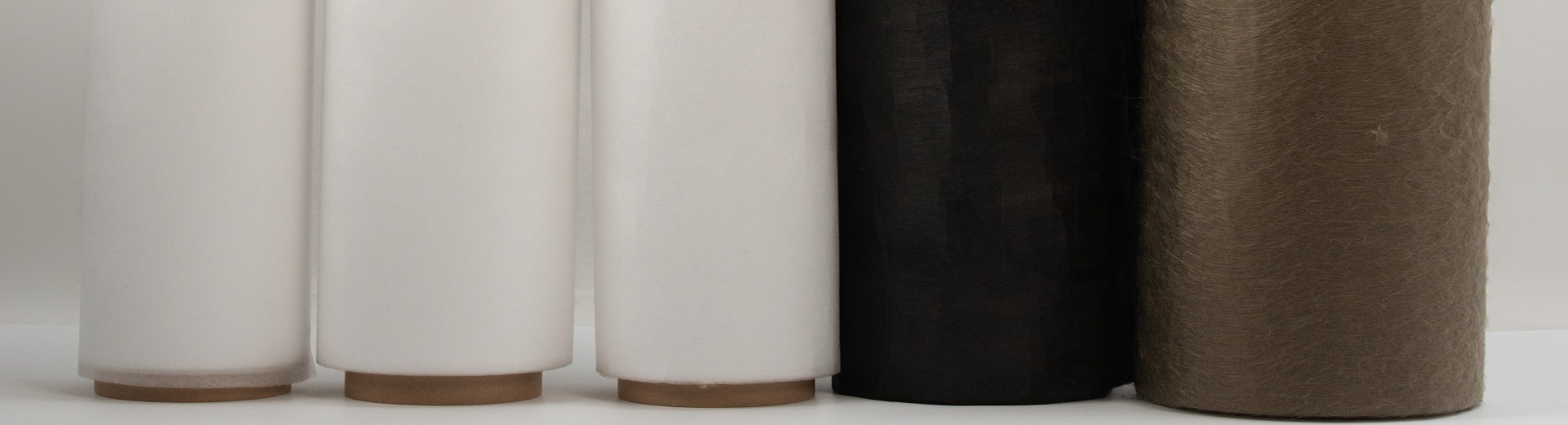
The Industrial Value of Polyimide Wet-Laid Nonwovens
2026-06-26 15:50
In the modern high-tech industry, when conventional substrates fail to meet requirements, advanced wet-laid polyimide nonwoven materials provide the necessary thermal and electrical properties as well as chemical stability.
Integrating a high-performance polyimide wet-laid nonwoven into your design architecture optimizes production yield and protects long-term operational margins.
1. Precision Manufacturing: The Wet-Laid Difference
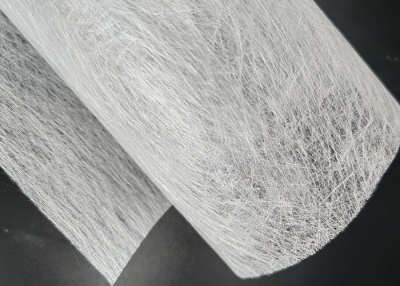
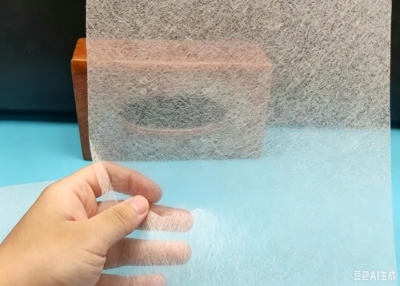
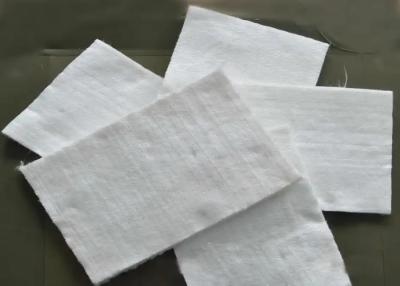
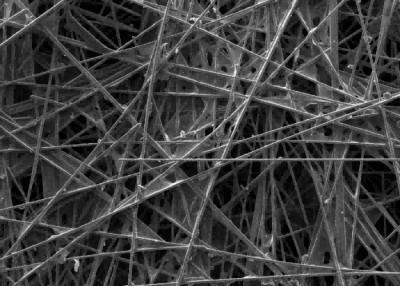
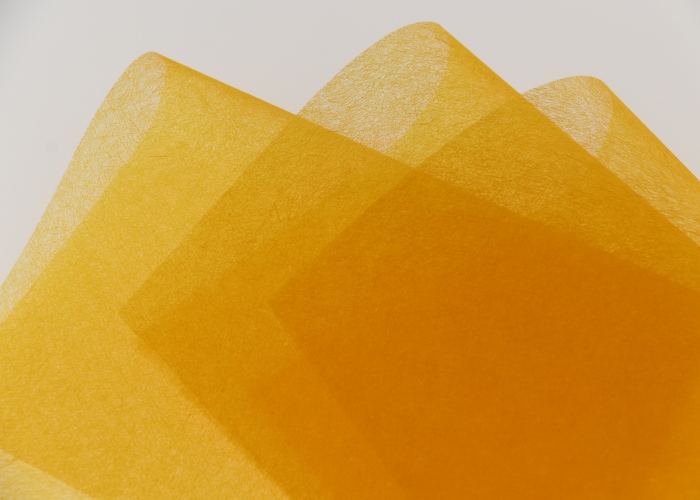
Unlike standard dry-laid nonwovens, a premium polyimide wet-laid nonwoven is built using an advanced papermaking technique that suspends short polyimide fibers uniformly in an aqueous slurry.
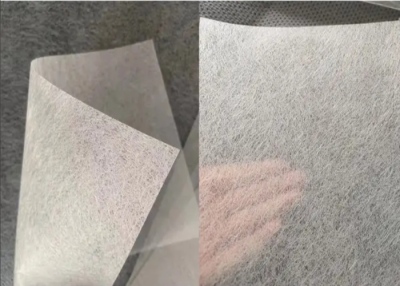
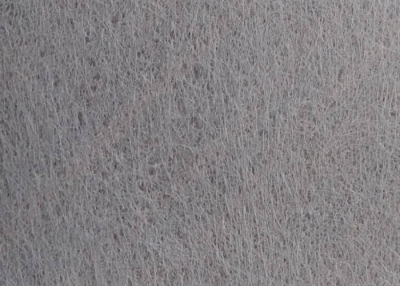
This uniform fiber suspension ensures that the resulting polyimide wet-laid nonwoven substrate displays completely isotropic mechanical properties.
Every square millimeter of a layer exhibits consistent thickness, predictable porosity, and balanced tensile strength.
For automated secondary processing, this smooth polyimide wet-laid nonwoven web pulls through coating and lamination lines with zero web distortion or tearing.
2. Engineering Advantages: Thermal & Dielectric Isolation
Using wet-laid polyimide nonwoven materials for the casings of next-generation electronic devices and electric vehicle battery units can effectively address the challenges posed by space and temperature constraints.
Thermal Endurance: A polyimide wet-laid nonwoven withstands continuous operating temperatures exceeding 250°C without dimensional shrinkage or mechanical degradation.
Dielectric Strength: The uniform fiber distribution of a prevents localized voltage punctures, ensuring reliable electrical insulation in low-profile multi-layer assemblies.
Chemical Inertness: This precise polyimide wet-laid nonwoven framework resists aggressive industrial solvents, hydraulic fluids, and battery electrolytes.
3. Sourcing Considerations: Compliance & Total Cost of Ownership
From a procurement perspective, upfront material costs are misleading if product recalls disrupt your supply chain.
While alternative glass or aramid veils may appear budget-friendly on a spreadsheet, an industrial-grade polyimide wet-laid nonwoven minimizes the Total Cost of Ownership (TCO) by eliminating field failures.
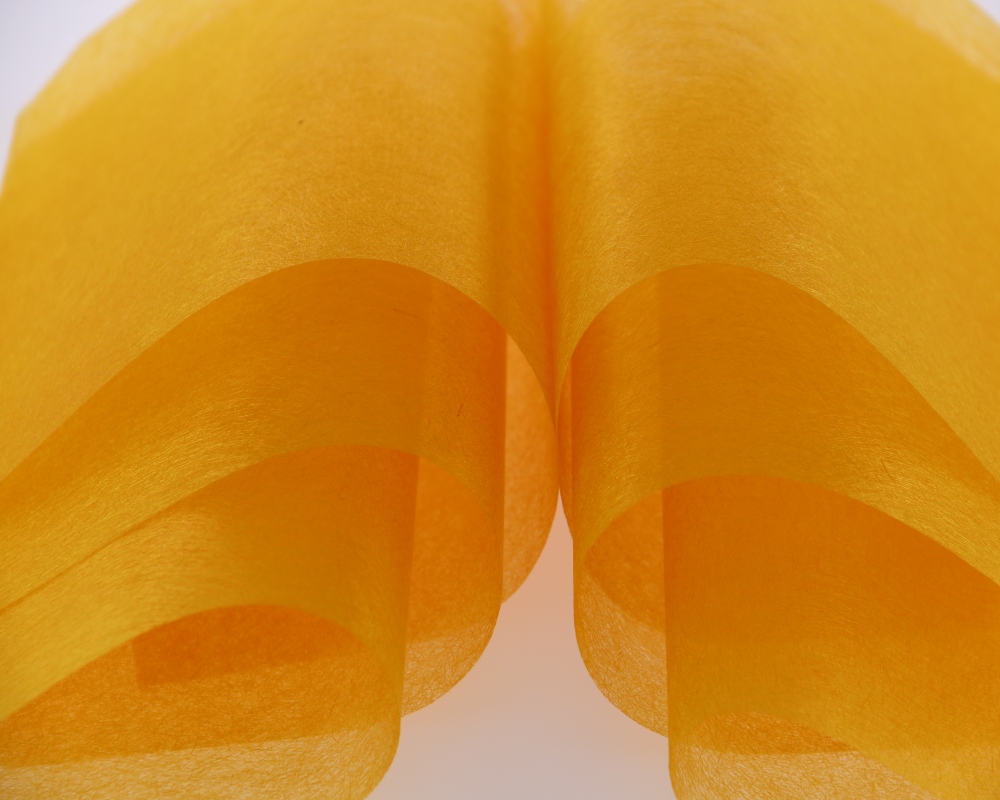
Sourcing a certified polyimide wet-laid nonwoven guarantees compliance with strict international flame-retardant standards.
Because polyimide is inherently flame-retardant, it requires no toxic chemical additives, ensuring low smoke emissions and zero toxic outgassing during thermal spikes.
Furthermore, moisture levels in fiber are strictly controlled to prevent micro-foaming and blistering during high-temperature customer cures.
Please get in touch with our team immediately to obtain a detailed technical data sheet or to request samples of wet-laid polyimide nonwoven fabric for laboratory testing.
Related News
Read More >-
![50g/m² Functional Coated Mat for Polyisocyanurate (PIR/PUR), Rock Wool, and EPS Outer Wall Insulation Boards.]()
50g/m² Functional Coated Mat for Polyisocyanurate (PIR/PUR), Rock Wool, and EPS Outer Wall Insulation Boards.
The 50g/m² matrix features a functional polymer coating that blocks foam chemical strike-through, maintains web tension under continuous heat pressing up to 200°C, and ensures superior mortar keying on job sites.
-
![30g/m² Fiberglass Tissue for Inner and Outer Surface Treatment of FRP Products]()
30g/m² Fiberglass Tissue for Inner and Outer Surface Treatment of FRP Products
We produce this Fiberglass Surface Tissue to form a resin-rich layer on the inner corrosion-resistant lining and outer surface of FRP tanks, pipes, and pultruded profiles, preventing resin cracking under thermal stress.
-
![SART50 Fiberglass Roofing Tissue to Reduce Asphalt Membrane Production Scrap]()
SART50 Fiberglass Roofing Tissue to Reduce Asphalt Membrane Production Scrap
We make this Fiberglass Tissue to carry asphalt during continuous hot dipping and lamination runs.The 50g/m² matrix holds roll tension under high temperatures, stops edge tears, and controls binder loss in hot bitumen dip tanks up to 200°C.
-
![Wet-laid nonwovens are rapidly penetrating the high-end application market, driven by their superior performance.]()
Wet-laid nonwovens are rapidly penetrating the high-end application market, driven by their superior performance.
-
![What makes quartz fiber needle-punched felt the new benchmark for thermal insulation materials?]()
What makes quartz fiber needle-punched felt the new benchmark for thermal insulation materials?
With a temperature resistance limit of 1050°C, an ultra-low thermal conductivity of 0.03 W/(m·K), 30% compressibility and resilience, and 99.95% purity, quartz fiber needle-punched felt is sparking a thermal insulation revolution in the photovoltaic and semiconductor sectors.
-
![High-Performance Quartz Fiber Wet-Laid Nonwovens for Extreme Environments]()
High-Performance Quartz Fiber Wet-Laid Nonwovens for Extreme Environments
Quartzel fiber is a homogeneous, non-porous, continuous, and amorphous ultra-high-purity silica glass. An SiO₂ content of no less than 99.95% ensures the material's exceptional purity and chemical stability. Wet-laid Quartz Fiber Nonwoven manufactured from high-purity yarns that have been cut and subsequently processed via a wet-laid process.
-
![Wet-Laid Glass Fiber Thick Felt Boosts Acoustic Material Upgrades]()
Wet-Laid Glass Fiber Thick Felt Boosts Acoustic Material Upgrades
Wet-process glass fiber thick felt is a novel functional material manufactured using an advanced wet-process technique, specifically designed to address the acoustic and thermal challenges inherent in modern architectural and industrial environments.
-
![From Filtration to New Energy: The Application Landscape of Wet-Laid Glass Fiber Nonwovens Continues to Expand]()
From Filtration to New Energy: The Application Landscape of Wet-Laid Glass Fiber Nonwovens Continues to Expand
It is an innovative industrial material produced by processing electronic-grade chopped fiberglass strands using a specialized wet-laid process. This unique manufacturing method endows it with a range of exceptional physical and chemical properties, serving as a critical foundation for high-performance composite materials.