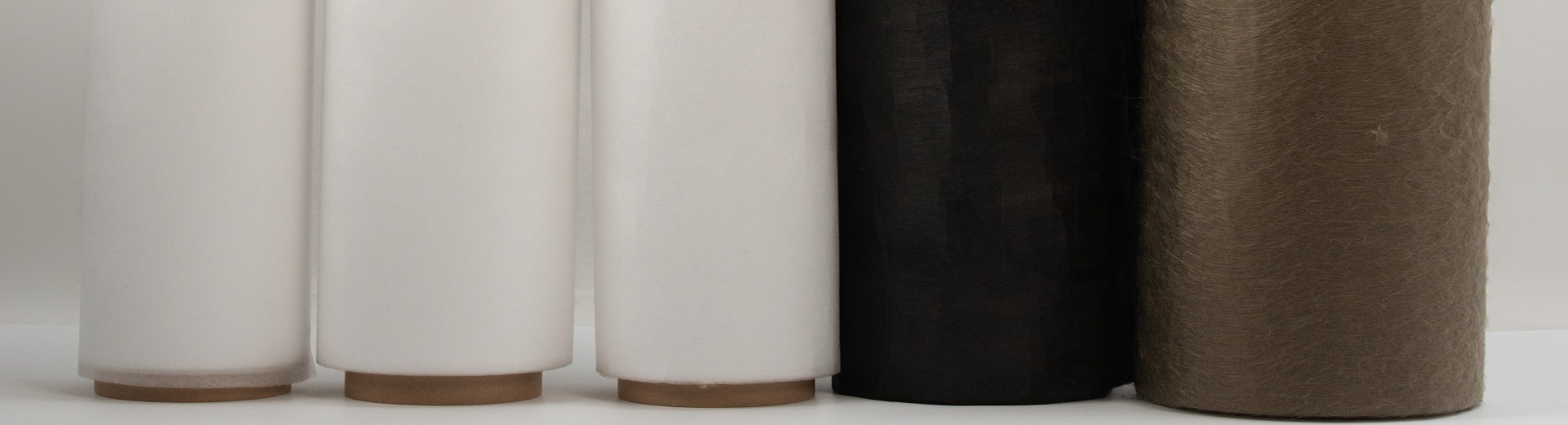
Discovering the Material of the Future—Quartz Fiber
2026-03-20 10:27
I. High-Temperature Resistance: Consigning "Thermal Forbidden Zones" to History
While the strength of ordinary glass fibers plummets above 600°C and metals are even more prone to softening and deformation quartz fiber, boasting a SiO₂ purity of ≥99.95%, elevates the continuous service temperature to 1050°C, withstanding instantaneous temperatures as high as 1700°C. In critical thermal protection applications such as rocket nozzles and spacecraft heat shields only quartz fiber can simultaneously maintain structural integrity and achieve lightweighting, thereby serving as a vital "firewall" safeguarding spacecraft. High-temperature resistance is not merely a desirable bonus, but a matter of life and death; for this reason, quartz fiber has become an indispensable choice.
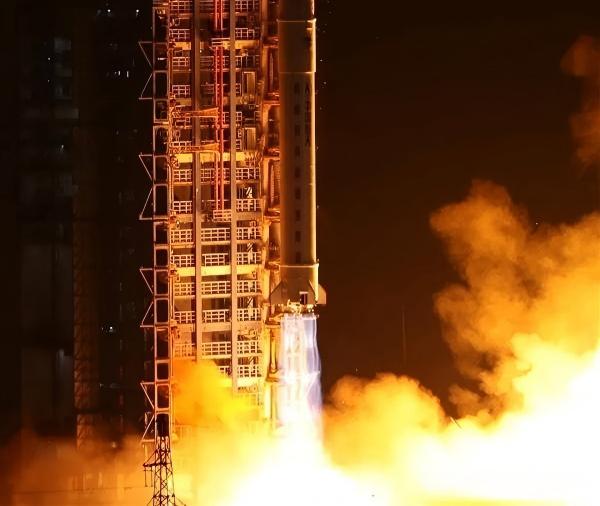
2. Low Dielectric Properties: The "Wave Transparent Gatekeeper" of the Information Age
Radomes and antenna covers impose extremely stringent requirements on material properties specifically, the dielectric constant (εr) and the dielectric loss tangent. Quartz fiber boasts an εr of approximately 3.7 and a loss tangent of less than 0.001 values significantly lower than those of traditional E-glass fiber (εr ≈ 6.6). This translates to minimal signal penetration loss and reduced beam distortion. With the widespread adoption of 5G/6G networks and active phased array radar systems, wave-transparent performance has become the direct determinant of a system's detection range and communication speed. Thus, quartz fiber is not merely a material that is "usable," but one that is "indispensable."
3. High Purity and Chemical Inertness: The "Invisible Lever" for Semiconductor Yield
In wafer diffusion processes, impurities present at levels as low as one part per billion can ruin an entire batch of chips. Quartz fiber is free of boron and alkali metals; it is highly pure and chemically inert. Empirical testing confirms its metal impurity content is less than 20 ppm, making it suitable for critical applications such as crucible thermal insulation and wafer carrier frames. In contrast to conventional fibers containing alkali metals, quartz fiber releases virtually no contaminants into the process atmosphere, thereby providing the semiconductor and photovoltaic manufacturing sectors with an "invisible" yet critical quality barrier. Ultimately, this triumph of purity is reflected in the economic bottom line: improved wafer yields and accelerated production ramp-ups.
4. Lightweight and High-Strength: An Industrial "Shortcut" to Weight Reduction and Efficiency Gains
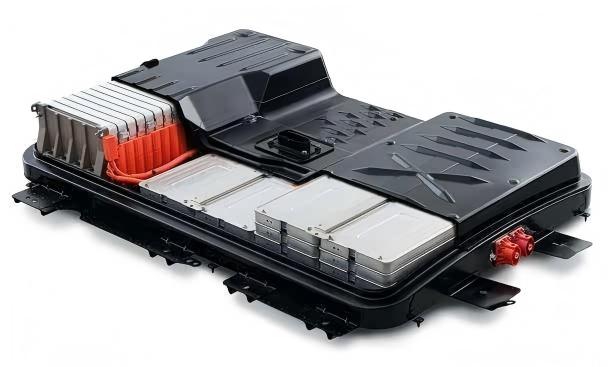
With a density of 2.2 g/cm³, quartz fiber is lighter than aluminum yet stronger than alloy steel. For new energy vehicle battery packs, shedding just 1 kg from the thermal insulation layer can extend driving range by 0.3 to 0.5 km; for spacecraft, every kilogram of weight saved translates to a reduction of tens of thousands of dollars in launch costs. By offering a triple advantage—being "lighter, stronger, and more heat-resistant" quartz fiber empowers high-end manufacturing industries to achieve the optimal balance between performance and economic viability. Weight reduction is no longer merely a design objective; it has become a quantifiable source of substantial economic returns.
5. Multi-Form and Scalable Supply: A Closed Loop from Lab to Mass Production
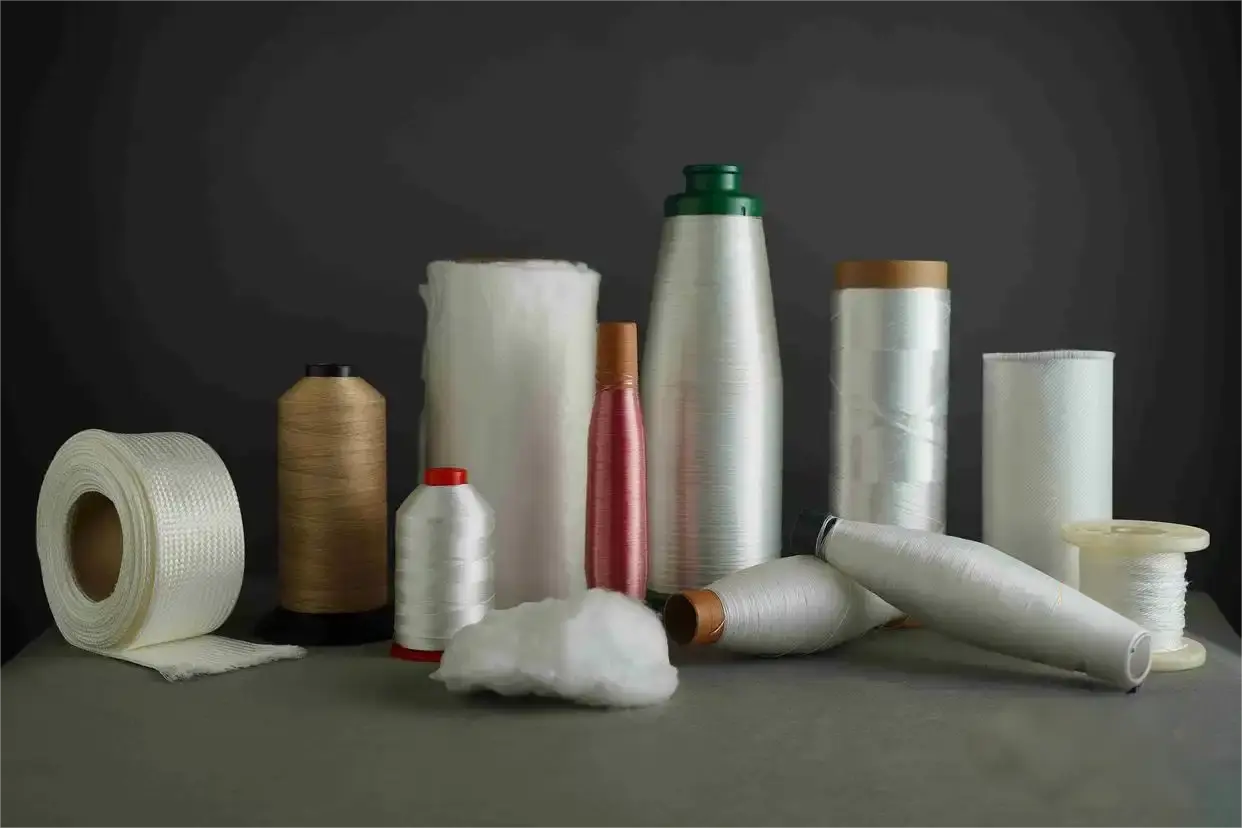
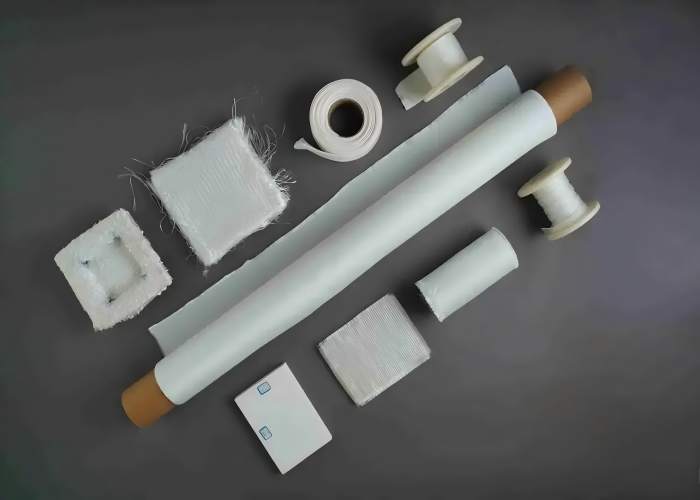
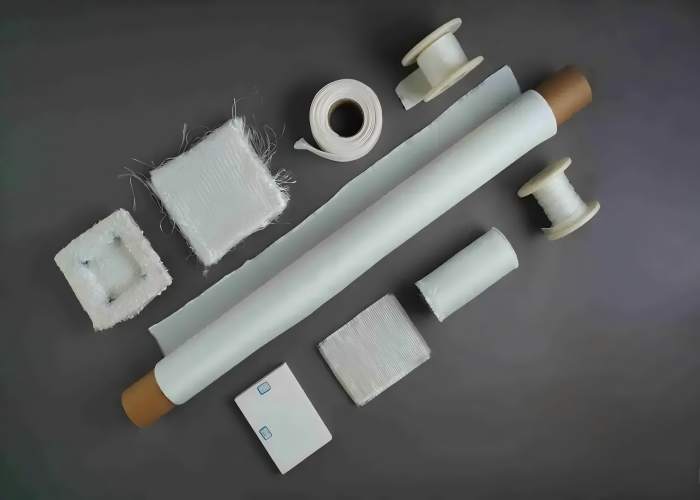
We possess a complete industrial chain spanning from fused quartz raw materials and continuous fiber drawing to fabric formation with an annual production capacity exceeding 200 tons. We offer a comprehensive range of product forms including yarns, fabrics, felts, sewing threads, sleeving, webbing, and 3D woven structures—thereby fulfilling one-stop requirements ranging from small-scale laboratory trials and pilot runs to large-scale mass production.
By combining four critical performance metrics exceptional high-temperature resistance, low dielectric loss, high purity, and a lightweight yet high-strength profile quartz fiber not only proves itself fully capable of withstanding extreme environments but also demonstrates unparalleled comparative advantages across high-end sectors such as aerospace, aviation, semiconductors, and new energy. As material performance pushes the boundaries of physical limits, quartz fiber has evolved from a mere "option" into an "absolute necessity," paving the way toward a future defined by higher power, higher frequencies, and deeper space exploration. To choose quartz fiber is to secure a technological lead—taking a decisive step ahead on the technical roadmap and to seize the critical winning edge in the arena of industrial competition.
Related News
Read More >-
![30g/m² Fiberglass Tissue for Inner and Outer Surface Treatment of FRP Products]()
30g/m² Fiberglass Tissue for Inner and Outer Surface Treatment of FRP Products
We produce this Fiberglass Surface Tissue to form a resin-rich layer on the inner corrosion-resistant lining and outer surface of FRP tanks, pipes, and pultruded profiles, preventing resin cracking under thermal stress.
-
![SART50 Fiberglass Roofing Tissue to Reduce Asphalt Membrane Production Scrap]()
SART50 Fiberglass Roofing Tissue to Reduce Asphalt Membrane Production Scrap
We make this Fiberglass Tissue to carry asphalt during continuous hot dipping and lamination runs.The 50g/m² matrix holds roll tension under high temperatures, stops edge tears, and controls binder loss in hot bitumen dip tanks up to 200°C.
-
![The Industrial Value of Polyimide Wet-Laid Nonwovens]()
The Industrial Value of Polyimide Wet-Laid Nonwovens
Polyimide fiber wet-laid nonwoven fabric is the ideal fiber material for making fire-retardant clothing such as protective suits for armored forces, racing suits, and flight suits. It can also be used to manufacture comfortable and warm functional clothing.
-
![Wet-laid nonwovens are rapidly penetrating the high-end application market, driven by their superior performance.]()
Wet-laid nonwovens are rapidly penetrating the high-end application market, driven by their superior performance.
-
![What makes quartz fiber needle-punched felt the new benchmark for thermal insulation materials?]()
What makes quartz fiber needle-punched felt the new benchmark for thermal insulation materials?
With a temperature resistance limit of 1050°C, an ultra-low thermal conductivity of 0.03 W/(m·K), 30% compressibility and resilience, and 99.95% purity, quartz fiber needle-punched felt is sparking a thermal insulation revolution in the photovoltaic and semiconductor sectors.
-
![High-Performance Quartz Fiber Wet-Laid Nonwovens for Extreme Environments]()
High-Performance Quartz Fiber Wet-Laid Nonwovens for Extreme Environments
Quartzel fiber is a homogeneous, non-porous, continuous, and amorphous ultra-high-purity silica glass. An SiO₂ content of no less than 99.95% ensures the material's exceptional purity and chemical stability. Wet-laid Quartz Fiber Nonwoven manufactured from high-purity yarns that have been cut and subsequently processed via a wet-laid process.
-
![Wet-Laid Glass Fiber Thick Felt Boosts Acoustic Material Upgrades]()
Wet-Laid Glass Fiber Thick Felt Boosts Acoustic Material Upgrades
Wet-process glass fiber thick felt is a novel functional material manufactured using an advanced wet-process technique, specifically designed to address the acoustic and thermal challenges inherent in modern architectural and industrial environments.
-
![From Filtration to New Energy: The Application Landscape of Wet-Laid Glass Fiber Nonwovens Continues to Expand]()
From Filtration to New Energy: The Application Landscape of Wet-Laid Glass Fiber Nonwovens Continues to Expand
It is an innovative industrial material produced by processing electronic-grade chopped fiberglass strands using a specialized wet-laid process. This unique manufacturing method endows it with a range of exceptional physical and chemical properties, serving as a critical foundation for high-performance composite materials.