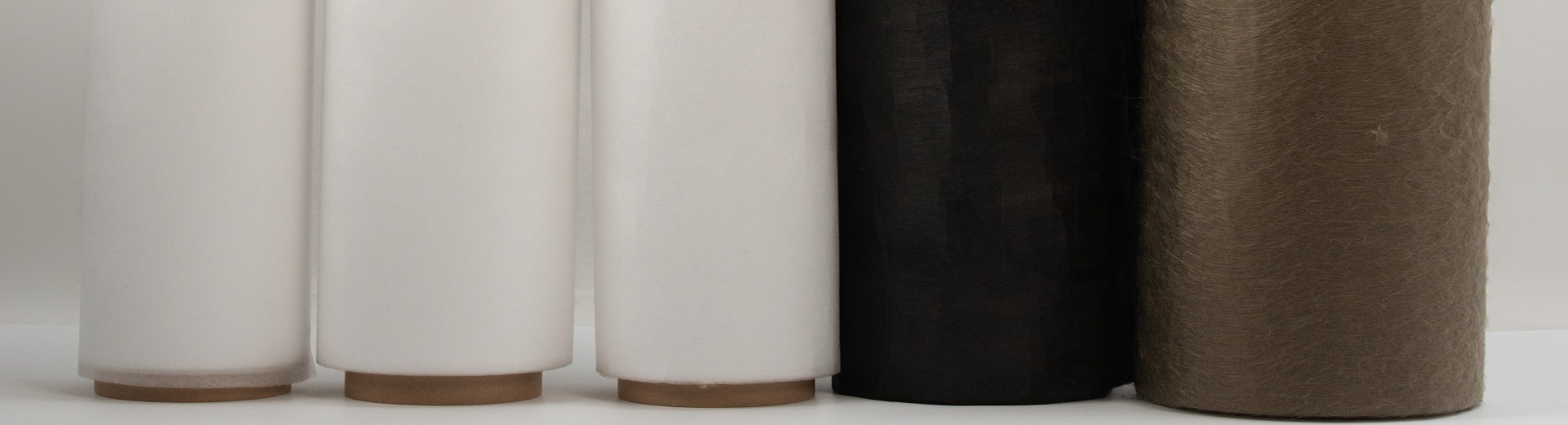
Wet Process for Polyimide Fibers
2026-03-27 16:32
1.Research on Wet Process of Polyimide Wet-laid Nonwoven Fabric
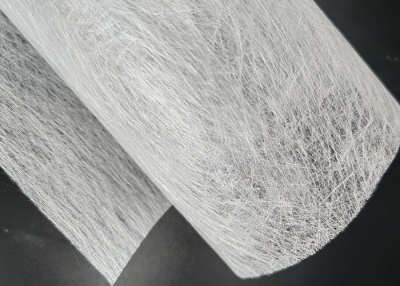
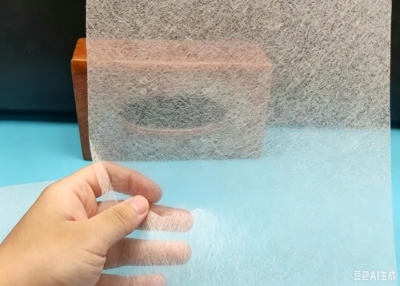
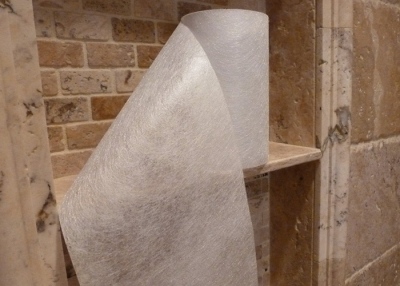
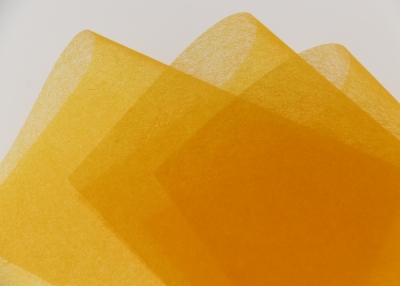
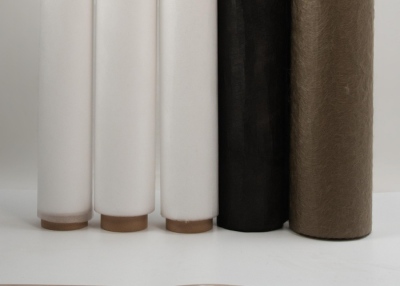
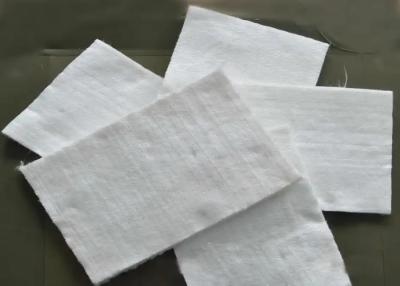
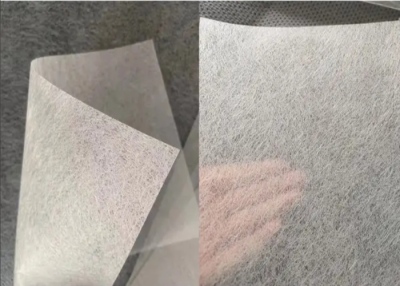
Polyimide wet-laid nonwoven fabric is a very special fiber material widely used in many high-tech fields, such as aerospace, electronic communications, and automotive manufacturing. It possesses high thermal stability, high-temperature resistance, and excellent electrical insulation properties, making it practically a versatile fiber.
The wet process is one method for manufacturing Polyimide Wet-Layer Nonwoven, but its main steps are dissolving the polyimide raw material in a solvent and then spinning the dissolved polyimide liquid into fibers.
Simply put, it's about making fibers from liquid polyimide material! This requires very precise control; otherwise, quality problems will occur, affecting the fiber's performance.
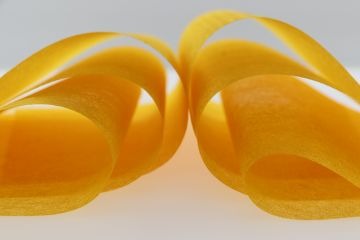
2.Polyimide Wet-laid Nonwoven Fabric Process Steps
1) First, the polyimide raw material is dissolved. This process is carried out at high temperatures. Commonly used solvents include N,N-dimethylacetamide (DMAc) and N-methylpyrrolidone (NMP), forming a polyimide solution with a concentration of 10% to 20%.
Special attention must be paid to the temperature and concentration of the solvent; if the temperature or concentration is too high, the fibers may become uneven or stick together.
2)In this step, the dissolved polyimide solution is extruded through a nozzle to form filaments. These filaments require careful adjustment and control to ensure their diameter is uniform.
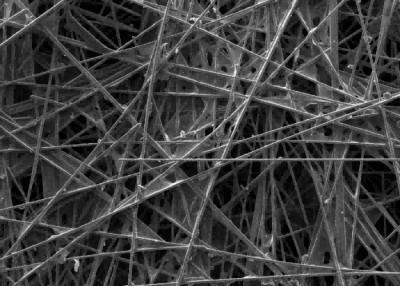
The fiber diameter of wet-spun fibers is typically between 10 and 20 micrometers, depending on the solution concentration and spinning speed. Spinning too fast may cause the fibers to break; spinning too slowly may result in uneven fiber quality.
3)After spinning, the fibers enter a special coagulation bath. This is the most important step in the wet spinning process. After exiting the spinneret, the fibers enter a bath containing water or other solvents. After cooling and solidification, the polyimide fibers are finally formed.
The temperature during this process must be controlled between 20 and 40 degrees Celsius; excessively high temperatures may cause changes in the fiber morphology.
After these steps, the wet-spun polyimide fibers possess excellent mechanical properties, making them particularly suitable for applications requiring high strength, high-temperature resistance, and high electrical insulation.
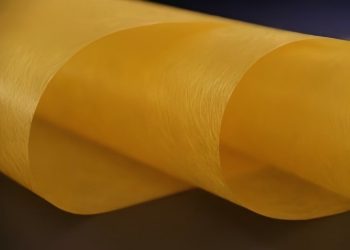
3.Advantages and Disadvantages of Polyimide Wet-laid Nonwoven Fabric
It can produce high-performance polyimide fibers with excellent heat resistance and mechanical properties. Because wet spinning can be operated at lower temperatures, it is more energy-efficient than dry spinning.
The more uniform fiber morphology during wet spinning ensures product consistency. However, wet spinning also has some disadvantages. Some solvents are toxic and volatile, and improper handling can lead to environmental pollution.
Related News
Read More >-
![50g/m² Functional Coated Mat for Polyisocyanurate (PIR/PUR), Rock Wool, and EPS Outer Wall Insulation Boards.]()
50g/m² Functional Coated Mat for Polyisocyanurate (PIR/PUR), Rock Wool, and EPS Outer Wall Insulation Boards.
The 50g/m² matrix features a functional polymer coating that blocks foam chemical strike-through, maintains web tension under continuous heat pressing up to 200°C, and ensures superior mortar keying on job sites.
-
![30g/m² Fiberglass Tissue for Inner and Outer Surface Treatment of FRP Products]()
30g/m² Fiberglass Tissue for Inner and Outer Surface Treatment of FRP Products
We produce this Fiberglass Surface Tissue to form a resin-rich layer on the inner corrosion-resistant lining and outer surface of FRP tanks, pipes, and pultruded profiles, preventing resin cracking under thermal stress.
-
![SART50 Fiberglass Roofing Tissue to Reduce Asphalt Membrane Production Scrap]()
SART50 Fiberglass Roofing Tissue to Reduce Asphalt Membrane Production Scrap
We make this Fiberglass Tissue to carry asphalt during continuous hot dipping and lamination runs.The 50g/m² matrix holds roll tension under high temperatures, stops edge tears, and controls binder loss in hot bitumen dip tanks up to 200°C.
-
![The Industrial Value of Polyimide Wet-Laid Nonwovens]()
The Industrial Value of Polyimide Wet-Laid Nonwovens
Polyimide fiber wet-laid nonwoven fabric is the ideal fiber material for making fire-retardant clothing such as protective suits for armored forces, racing suits, and flight suits. It can also be used to manufacture comfortable and warm functional clothing.
-
![Wet-laid nonwovens are rapidly penetrating the high-end application market, driven by their superior performance.]()
Wet-laid nonwovens are rapidly penetrating the high-end application market, driven by their superior performance.
-
![What makes quartz fiber needle-punched felt the new benchmark for thermal insulation materials?]()
What makes quartz fiber needle-punched felt the new benchmark for thermal insulation materials?
With a temperature resistance limit of 1050°C, an ultra-low thermal conductivity of 0.03 W/(m·K), 30% compressibility and resilience, and 99.95% purity, quartz fiber needle-punched felt is sparking a thermal insulation revolution in the photovoltaic and semiconductor sectors.
-
![High-Performance Quartz Fiber Wet-Laid Nonwovens for Extreme Environments]()
High-Performance Quartz Fiber Wet-Laid Nonwovens for Extreme Environments
Quartzel fiber is a homogeneous, non-porous, continuous, and amorphous ultra-high-purity silica glass. An SiO₂ content of no less than 99.95% ensures the material's exceptional purity and chemical stability. Wet-laid Quartz Fiber Nonwoven manufactured from high-purity yarns that have been cut and subsequently processed via a wet-laid process.
-
![Wet-Laid Glass Fiber Thick Felt Boosts Acoustic Material Upgrades]()
Wet-Laid Glass Fiber Thick Felt Boosts Acoustic Material Upgrades
Wet-process glass fiber thick felt is a novel functional material manufactured using an advanced wet-process technique, specifically designed to address the acoustic and thermal challenges inherent in modern architectural and industrial environments.