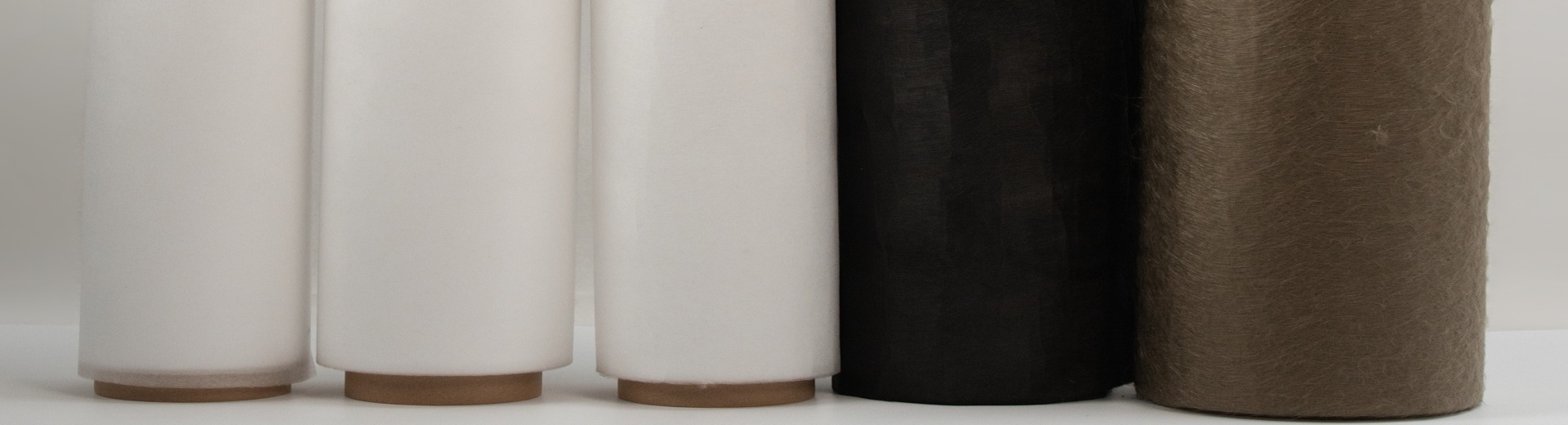
50g/m² Chemical-Resistant Glass Fiber Mat for Smooth Corrosion Barrier Linings in Glass Reinforced Epoxy (GRE) Pipe and Vessel Filament Winding
2026-11-11 16:07
1. Technical Overview
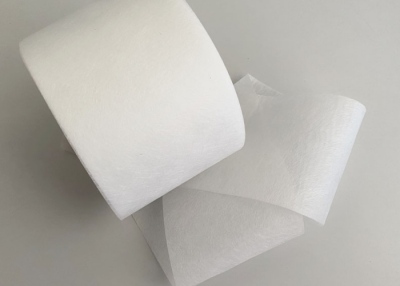
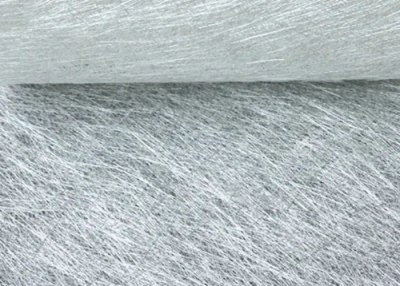
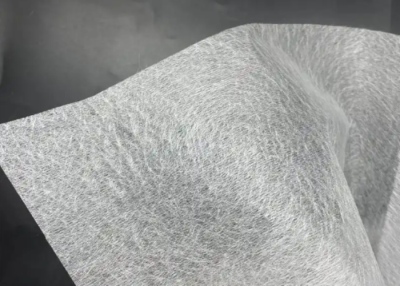
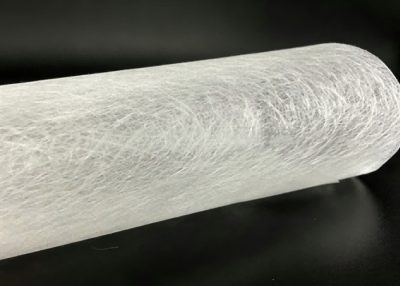
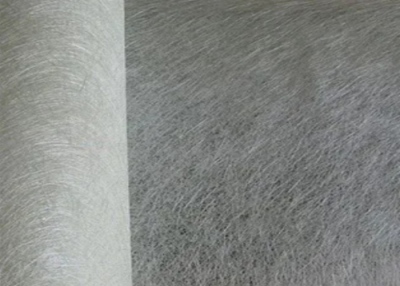
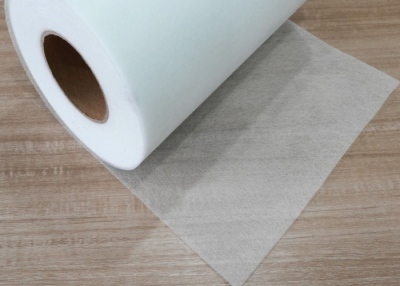
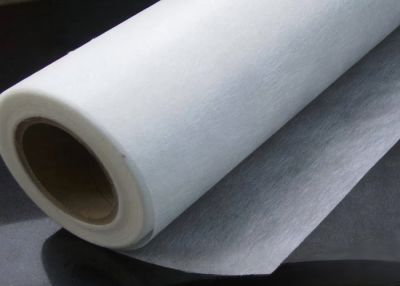
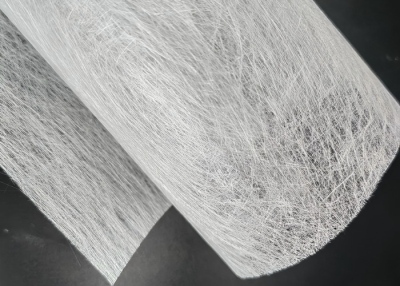
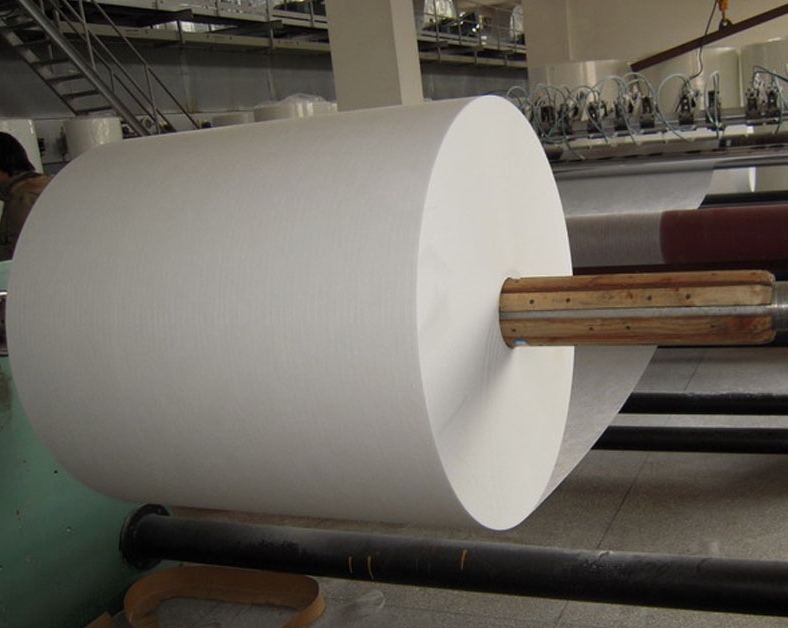
SAST50 is a wet-laid, non-woven fiberglass surface tissue engineered for continuous filament winding and hand lay-up of GRE (Glass-Reinforced Epoxy) products.
We manufacture this dense fiberglass tissue as an essential resin-rich surface veil that creates a smooth, crack-resistant inner liner inside chemical pipes, storage tanks, and offshore high-pressure lines.
The 50g/m² matrix features rapid epoxy penetration to ensure zero micro-voids, trapping liquid epoxy to form a robust corrosion barrier.
Filament winding plants integrate SAST50 directly onto rotating mandrels to prevent fiber show-through, eliminate micro-cracking under cyclic pressure, and protect load-bearing structural glass layers from aggressive chemical attack.
2. Technical Specifications Table (TDS)
| Technical Parameter | Metric Value | Test Standard | Workshop Function & Purpose |
| Unit Weight (Grammage) | 50 g/m² (±5%) | ISO 3374 | Controls exact fiberglass tissue mass to ensure a consistent 90:10 resin-to-glass ratio in the inner liner. |
| LOI | ≤ 10% | ISO 1887 | Low organic binder formulation guarantees chemical compatibility with anhydride and amine epoxy hardeners |
| MD Tensile Strength | ≥ 120 N/50mm | ISO 3342 | Prevents web stretching and line snaps under high tension during automated mandrel winding |
| Epoxy Penetrating Time | ≤30 (2 layer) | ISO 15039 | Ensures instant, total resin wet-out on fast-winding Mandrels, preventing air entrapment and dry spots |
| Moisture Content | ≤ 0.5% | ISO 3344 | Prevents amine binder poisoning and steam blistering during high-temperature post-curing ovens (>150°C) |
3. Key Features & Workshop Problem Solvers
Rapid Resin Wet-Out Prevents Micro-Voids and Delamination
Dry spots in surface veils create internal voids that allow corrosive chemicals to breach the lining. SAST50 fiberglass surface tissue achieves total epoxy resin impregnation in ≤30 (2 layer). The rapid wet-out ensures complete air release during winding, forming a dense, seamless resin-rich barrier that halts fluid pinhole leaks.
Creates a Smooth, Low-Friction Inner Liner in GRE Pipes
Bare structural glass roving leaves rough, exposed fibers on pipe inner walls, increasing fluid friction and promoting scale buildup. SAST50 fiberglass tissue holds a uniform resin layer on the mandrel surface. It produces a mirror-smooth internal pipe finish that lowers flow resistance and extends piping system service life.
High Mandrel Winding Tensile Strength Eliminates Web Snaps
Fragile veils tear easily under automated tension on high-speed continuous filament winding machines, stopping the line and ruining the pipe lay-up. SAST50 delivers longitudinal tensile strength of ≥ 120 N/50mm. This pull strength ensures clean, uninterrupted winding around tight elbows, reducers, and straight pipe mandrels.
4. Target Applications & Processing Lines
Glass Reinforced Epoxy (GRE) Filament-Wound Piping
Pipe manufacturing plants wind SAST50 fiberglass surface tissue as the first inner liner layer directly onto rotating steel mandrels. The fiberglass tissue absorbs liquid epoxy resin, forming a leak-proof chemical barrier for high-pressure oilfield flowlines, ballast water pipes, and chemical transmission systems.
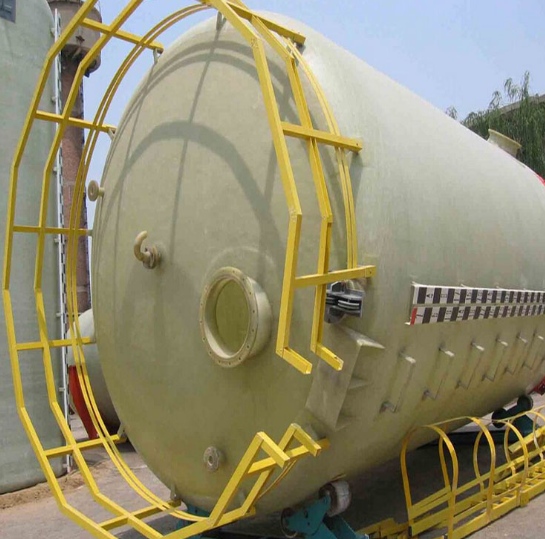
GRE/GRP Chemical Storage Tanks and Pressure Vessels
SAST50 functions as the primary corrosion-resistant veil for the inner corrosion liner of FRP/GRE storage tanks, scrubber towers, and process vessels. The fiberglass surface tissue protects structural filament-wound glass roving against acid, alkali, and hydrocarbon attack.
5. Frequently Asked Questions (Technical FAQ)
Q: How does SAST50 fiberglass surface tissue improve corrosion resistance in GRE pipes?
A: SAST50 has a resin-rich ratio (up to 90% resin by weight) on the inner surface of the pipe. Embedded in the epoxy matrix, the fiberglass surface tissue prevents resin cracking and stops corrosive media from reaching the structural glass fibers.
Q: Is SAST50 compatible with both amine-cured and anhydride-cured epoxy systems?
A: Yes. SAST50 fiberglass tissue uses a specialized silane-based binder chemistry designed specifically for epoxy systems. It wets out rapidly without altering resin curing kinetics or causing binder rejection.
Q: Why is low moisture content (≤ 0.5%) critical for SAST50 in GRE pipe winding?
A: Excess moisture in glass veils reacts with epoxy hardeners, causing incomplete curing, cloudiness, and steam blisters during oven post-curing. SAST50 is delivered factory-sealed at ≤ 0.5% moisture content to ensure defect-free, crystal-clear epoxy liners.
Related News
Read More >-
![60g/m² Heavy-Duty Non-Woven Glass Mat for Substrate Reinforcement in SBS, APP, PVC Waterproofing Membranes, and Asphalt Shingles]()
60g/m² Heavy-Duty Non-Woven Glass Mat for Substrate Reinforcement in SBS, APP, PVC Waterproofing Membranes, and Asphalt Shingles
SART60 is a heavy-duty wet-laid non-woven fiberglass roofing tissue engineered for continuous modified bitumen dipping and PVC waterproofing membrane lines. We manufacture this dense fiberglass tissue as a primary structural carrier that locks molten SBS/APP bitumen compounds and stabilizes plasticized PVC sheets.
-
![SATIT200 Heavy-Duty Fiberglass Thermal Insulation Tissue for High-Temperature High-Pressure Molding]()
SATIT200 Heavy-Duty Fiberglass Thermal Insulation Tissue for High-Temperature High-Pressure Molding
SATIT200 is a heavy-duty wet-laid non-woven fiberglass thermal insulation tissue engineered for extreme high-temperature and high-pressure compression molding. We manufacture this high-density fiberglass tissue to serve as a robust structural carrier and thermal barrier in multi-layer insulation jackets, molded pipe shells, industrial furnace linings, and automotive heat shields.
-
![SAFT40 Fiberglass Facing Tissue to Improve Surface Stability in Wall Panels and Glass Curtain Wallsn, and Architectural Glass Curtain Wall Panels]()
SAFT40 Fiberglass Facing Tissue to Improve Surface Stability in Wall Panels and Glass Curtain Wallsn, and Architectural Glass Curtain Wall Panels
SAFT40 is a wet-laid non-woven fiberglass facing tissue engineered for continuous surface facing of insulation slabs and curtain wall panels. We manufacture this fiberglass tissue to create a clean, uniform cover over dark mineral wool, rock cotton boards, and fiberglass insulation cores.
-
![70g/m² Heavy-Duty Non-Woven Glass Mat for Architectural Acoustic Panels, Mineral Wool Tiles, and Perforated Ceilings]()
70g/m² Heavy-Duty Non-Woven Glass Mat for Architectural Acoustic Panels, Mineral Wool Tiles, and Perforated Ceilings
SAAT70 is a wet-laid non-woven fiberglass acoustic tissue engineered for high-performance sound absorption panels and architectural acoustic ceilings. We manufacture this dense fiberglass tissue as a primary acoustic facing veil that controls airflow resistance (AFR) while masking dark mineral wool and glass wool fibers.
-
![25g/m² Ultra-Thin Non-Woven Glass Mat for Substrate Reinforcement in PVC Flooring and Decorative Wallpapers]()
25g/m² Ultra-Thin Non-Woven Glass Mat for Substrate Reinforcement in PVC Flooring and Decorative Wallpapers
The light 25g/m² matrix holds exact machine tension under high-temperature PVC gelation ovens up to 200°C. Factory lines integrate SAFT25 into vinyl sheet flooring and vinyl-faced wall coverings to prevent edge curling, thermal shrinkage, and surface tearing during high-speed lamination
-
![25g/m² Ultra-Thin Glass Fiber Mat for Organic Waste Gas Adsorption and Air Purification Substrates]()
25g/m² Ultra-Thin Glass Fiber Mat for Organic Waste Gas Adsorption and Air Purification Substrates
The light 25g/m² matrix maintains uniform air permeability while providing high thermal resistance up to 260°C. Factory lines integrate SAFT25 into pleated filter elements, honeycomb adsorption wheels, and industrial exhaust gas scrubbers to optimize gas capture without driving up system pressure drop
-
![50g/m² Non-Woven Glass Mat for Primary Backing and Dimensional Stability in Modular Carpet Tiles]()
50g/m² Non-Woven Glass Mat for Primary Backing and Dimensional Stability in Modular Carpet Tiles
The 50g/m² matrix holds tight web tension during high-temperature PVC paste coating and hot bitumen impregnation up to 180°C. Factory lines integrate SACT50 directly between secondary backing layers to stabilize modular tile geometry and eliminate field returns caused by dimensional shifting
-
![50g/m² Functional Coated Mat for Polyisocyanurate (PIR/PUR), Rock Wool, and EPS Outer Wall Insulation Boards.]()
50g/m² Functional Coated Mat for Polyisocyanurate (PIR/PUR), Rock Wool, and EPS Outer Wall Insulation Boards.
The 50g/m² matrix features a functional polymer coating that blocks foam chemical strike-through, maintains web tension under continuous heat pressing up to 200°C, and ensures superior mortar keying on job sites.