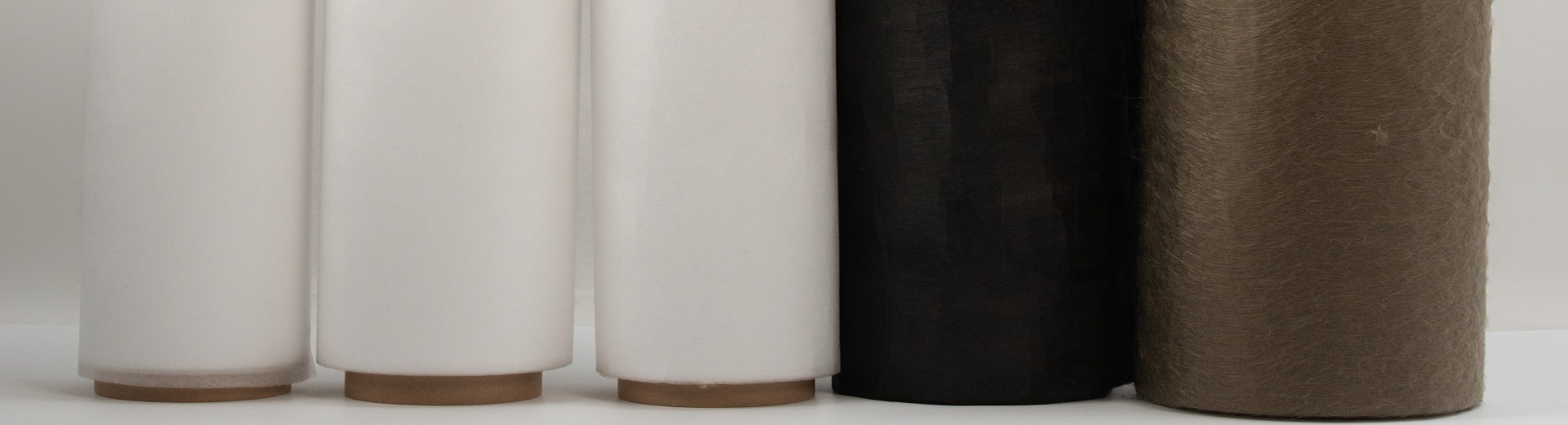
70g/m² Heavy-Duty Non-Woven Glass Mat for Architectural Acoustic Panels, Mineral Wool Tiles, and Perforated Ceilings
2026-10-08 17:06
1. Technical Overview
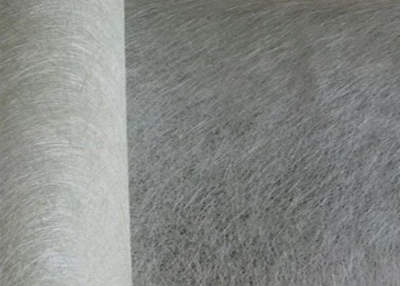
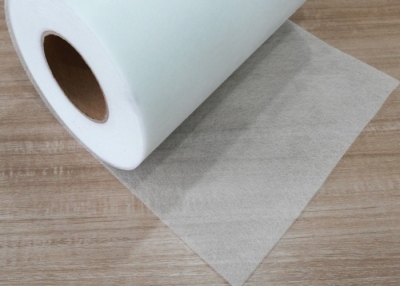
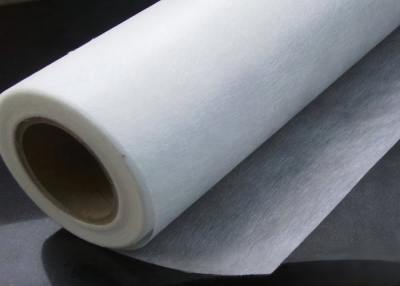
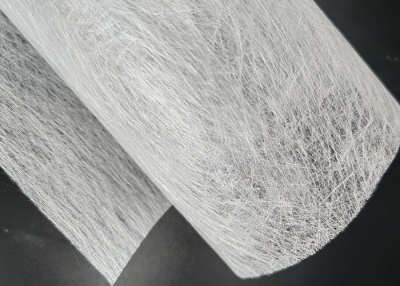
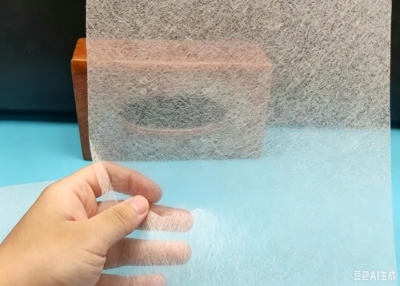
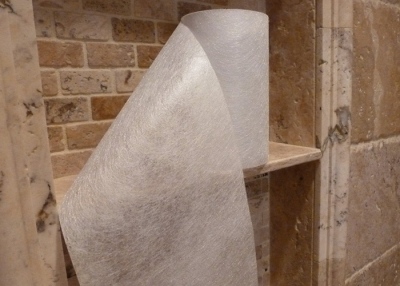
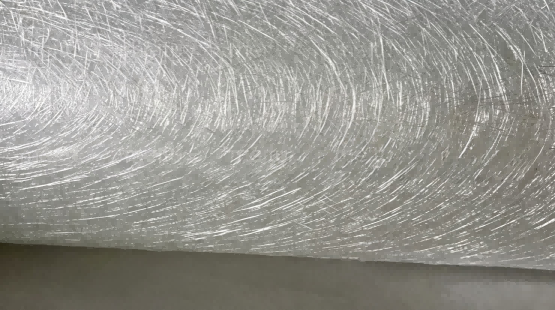
SAXOBRAN SAAT70 is a wet-laid non-woven fiberglass acoustic tissue engineered for high-performance sound absorption panels and architectural acoustic ceilings.
We manufacture this dense fiberglass tissue as a primary acoustic facing veil that controls airflow resistance (AFR) while masking dark mineral wool and glass wool fibers.
The 70g/m² matrix holds dimensional stability under continuous hot press lamination up to 200°C and maintains high wet tensile retention in high-humidity environments.
Factory lines integrate SAAT70 on mineral fiber tiles, perforated metal ceilings, and gypsum wall panels to maximize Noise Reduction Coefficient (NRC) values and prevent surface sagging.
2. Technical Specifications Table (TDS)
| Technical Parameter | Metric Value | Test Standard | Workshop Function & Purpose |
| Unit Weight (Grammage) | 70 g/m² (±5%) | ISO 3374 | Controls exact fiberglass tissue mass to calibrate sound wave entry and airflow resistance |
| Loss on Ignition (LOI) | 20% | ISO 1887 | Holds fiber matrix structure during hot continuous lamination ovens up to 200°C |
| MD Tensile Strength | ≥ 280 N/50mm | ISO 3342 | Prevents web snaps under continuous machine line tension and roll unwind |
| CD Tensile Strength | ≥ 160 N/50mm | ISO 3342 | Stops edge tears and width shrinkage during continuous edge slitting and panel cutting |
| MD Tensile (Water Boiling) | ≥ 170% retention | ISO 10542 | Retains structural web bond under high humidity, steam curing, or wet binder coating |
| Moisture Content | ≤ 1.0% | ISO 3344 | Prevents surface blistering, steam pockets, and glue delamination during hot pressing |
3. Key Features & Workshop Problem Solvers
Maximizes NRC Sound Absorption Ratings
Dense plastic foils and uneven non-wovens bounce sound waves away instead of absorbing them. SAAT70 fiberglass acoustic tissue utilizes a wet-laid fiber structure calibrated for air flow resistance. The 70g/m² veil lets sound waves enter the glass wool core while preventing loose fibers from shedding into indoor air streams.
Prevents Board Sagging and Humidity Delamination
Acoustic ceiling tiles absorb ambient humidity on job sites, leading to board sag and edge warping. SAAT70 features a specialized water-resistant binder system that maintains ≥ 170% Machine Direction tensile strength after boiling water exposure. This water resistance locks the tile surface flat in humid environments.
High Pull Strength on Continuous Panel Lamination Lines
Tearing veils on continuous thermal pressing lines trigger unscheduled stops and material scrap. SAAT70 fiberglass tissue maintains longitudinal tensile strength of ≥ 280 N/50mm. This high pull strength keeps continuous lamination lines running clean without web snaps or edge tears.
4. Target Applications & Processing Lines
Mineral Fiber & Glass Wool Acoustic Ceiling Tiles
Ceiling tile manufacturing plants feed SAAT70 fiberglass acoustic tissue as the front facing veil over high-density mineral wool cores. The fiberglass tissue masks dark core fibers, provides a smooth white printable surface, and locks acoustic airflow parameters.
Perforated Metal & Gypsum Acoustic Panels
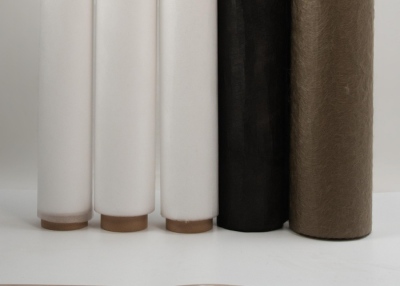
SAAT70 acts as a black or white sound-absorbing backing fleece behind perforated metal trays, wooden wall slats, and gypsum boards. The fiberglass acoustic tissue sticks directly to panel backs with hot-melt or water-based adhesives, preventing fiber dust escape while absorbing ambient sound.
5. Frequently Asked Questions (Technical FAQ)
Q: How does SAAT70 fiberglass acoustic tissue improve sound absorption in ceiling panels?
A: SAAT70 uses a wet-laid glass fiber structure with uniform air permeability. Placed on panel surfaces, the fiberglass acoustic tissue allows sound energy to pass into the porous insulation core without reflecting sound waves back into the room.
Q: Can SAAT70 handle water-based paint and binder spray without losing web strength?
A: Yes. SAAT70 fiberglass tissue is built with a moisture-resistant binder system that retains ≥ 170% Machine Direction tensile strength after boiling water exposure. It remains dimensionally stable when passing through liquid coating lines and drying ovens.
Q: Why is moisture control (≤ 1.0%) critical for SAAT70 before press lamination?
A: Residual moisture vaporizes into steam when contacting hot pressing rollers up to 200°C, causing internal blisters and surface pinholes. SAAT70 is delivered sealed at ≤ 0.2% moisture content to ensure clean, bubble-free panel adhesion.
Related News
Read More >-
![25g/m² Ultra-Thin Non-Woven Glass Mat for Substrate Reinforcement in PVC Flooring and Decorative Wallpapers]()
25g/m² Ultra-Thin Non-Woven Glass Mat for Substrate Reinforcement in PVC Flooring and Decorative Wallpapers
The light 25g/m² matrix holds exact machine tension under high-temperature PVC gelation ovens up to 200°C. Factory lines integrate SAFT25 into vinyl sheet flooring and vinyl-faced wall coverings to prevent edge curling, thermal shrinkage, and surface tearing during high-speed lamination
-
![25g/m² Ultra-Thin Glass Fiber Mat for Organic Waste Gas Adsorption and Air Purification Substrates]()
25g/m² Ultra-Thin Glass Fiber Mat for Organic Waste Gas Adsorption and Air Purification Substrates
The light 25g/m² matrix maintains uniform air permeability while providing high thermal resistance up to 260°C. Factory lines integrate SAFT25 into pleated filter elements, honeycomb adsorption wheels, and industrial exhaust gas scrubbers to optimize gas capture without driving up system pressure drop
-
![50g/m² Non-Woven Glass Mat for Primary Backing and Dimensional Stability in Modular Carpet Tiles]()
50g/m² Non-Woven Glass Mat for Primary Backing and Dimensional Stability in Modular Carpet Tiles
The 50g/m² matrix holds tight web tension during high-temperature PVC paste coating and hot bitumen impregnation up to 180°C. Factory lines integrate SACT50 directly between secondary backing layers to stabilize modular tile geometry and eliminate field returns caused by dimensional shifting
-
![50g/m² Functional Coated Mat for Polyisocyanurate (PIR/PUR), Rock Wool, and EPS Outer Wall Insulation Boards.]()
50g/m² Functional Coated Mat for Polyisocyanurate (PIR/PUR), Rock Wool, and EPS Outer Wall Insulation Boards.
The 50g/m² matrix features a functional polymer coating that blocks foam chemical strike-through, maintains web tension under continuous heat pressing up to 200°C, and ensures superior mortar keying on job sites.
-
![30g/m² Fiberglass Tissue for Inner and Outer Surface Treatment of FRP Products]()
30g/m² Fiberglass Tissue for Inner and Outer Surface Treatment of FRP Products
We produce this Fiberglass Surface Tissue to form a resin-rich layer on the inner corrosion-resistant lining and outer surface of FRP tanks, pipes, and pultruded profiles, preventing resin cracking under thermal stress.
-
![SART50 Fiberglass Roofing Tissue to Reduce Asphalt Membrane Production Scrap]()
SART50 Fiberglass Roofing Tissue to Reduce Asphalt Membrane Production Scrap
We make this Fiberglass Tissue to carry asphalt during continuous hot dipping and lamination runs.The 50g/m² matrix holds roll tension under high temperatures, stops edge tears, and controls binder loss in hot bitumen dip tanks up to 200°C.
-
![The Industrial Value of Polyimide Wet-Laid Nonwovens]()
The Industrial Value of Polyimide Wet-Laid Nonwovens
Polyimide fiber wet-laid nonwoven fabric is the ideal fiber material for making fire-retardant clothing such as protective suits for armored forces, racing suits, and flight suits. It can also be used to manufacture comfortable and warm functional clothing.
-
![Wet-laid nonwovens are rapidly penetrating the high-end application market, driven by their superior performance.]()
Wet-laid nonwovens are rapidly penetrating the high-end application market, driven by their superior performance.