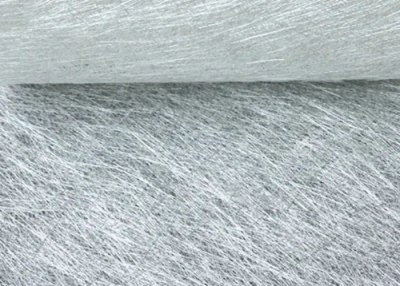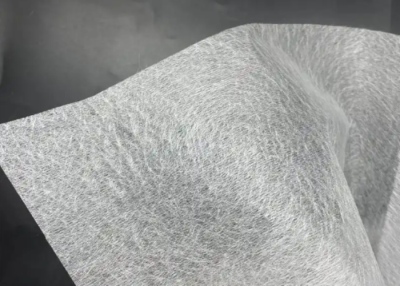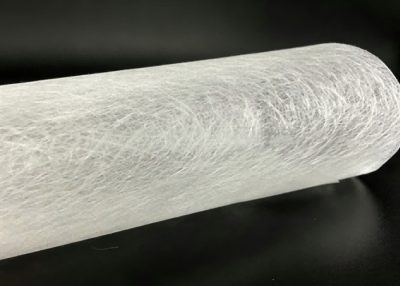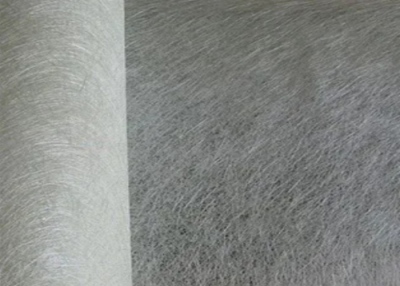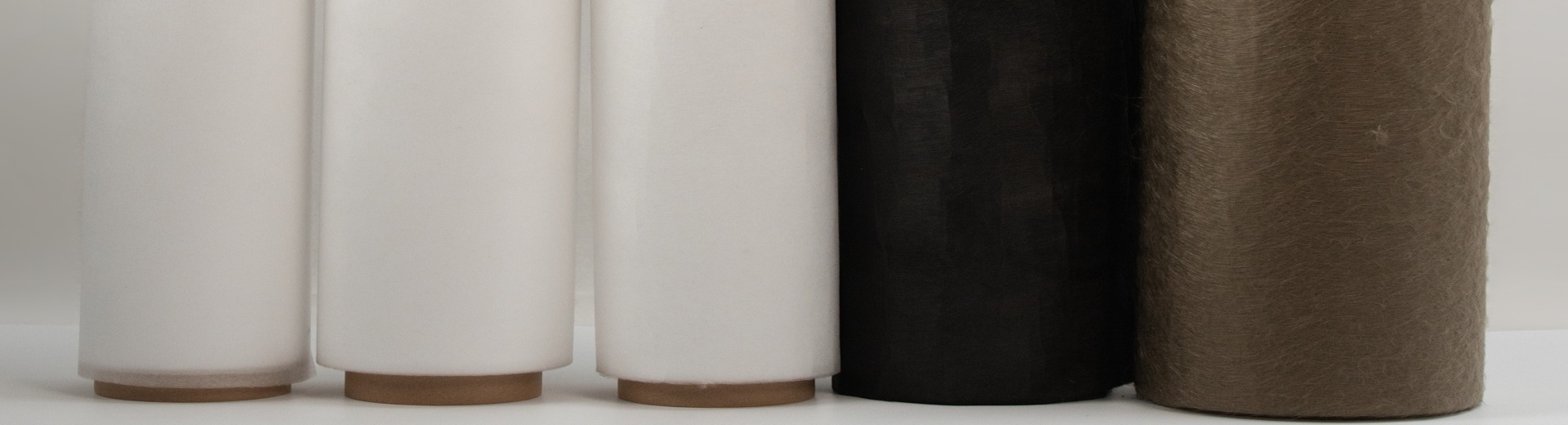
60g/m² Heavy-Duty Non-Woven Glass Mat for Substrate Reinforcement in SBS, APP, PVC Waterproofing Membranes, and Asphalt Shingles
2026-11-10 17:17
1. Technical Overview
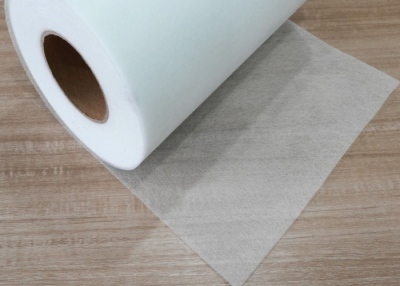
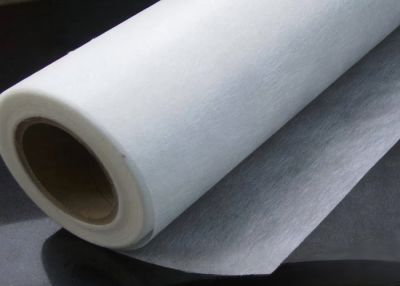
SAXOBRAN SART60 is a heavy-duty wet-laid non-woven fiberglass roofing tissue engineered for continuous modified bitumen dipping and PVC waterproofing membrane lines.
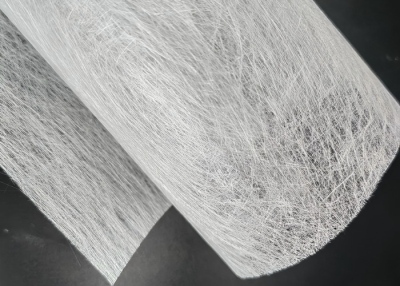
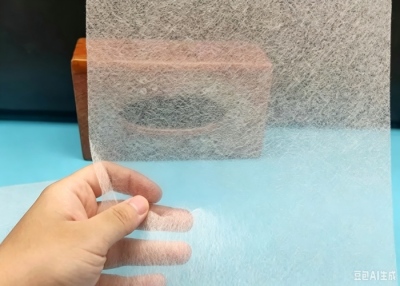
We manufacture this dense fiberglass tissue as a primary structural carrier that locks molten SBS/APP bitumen compounds and stabilizes plasticized PVC sheets.
The 60g/m² fiber matrix maintains high machine-direction pull tension under hot asphalt bath temperatures up to 200°C.
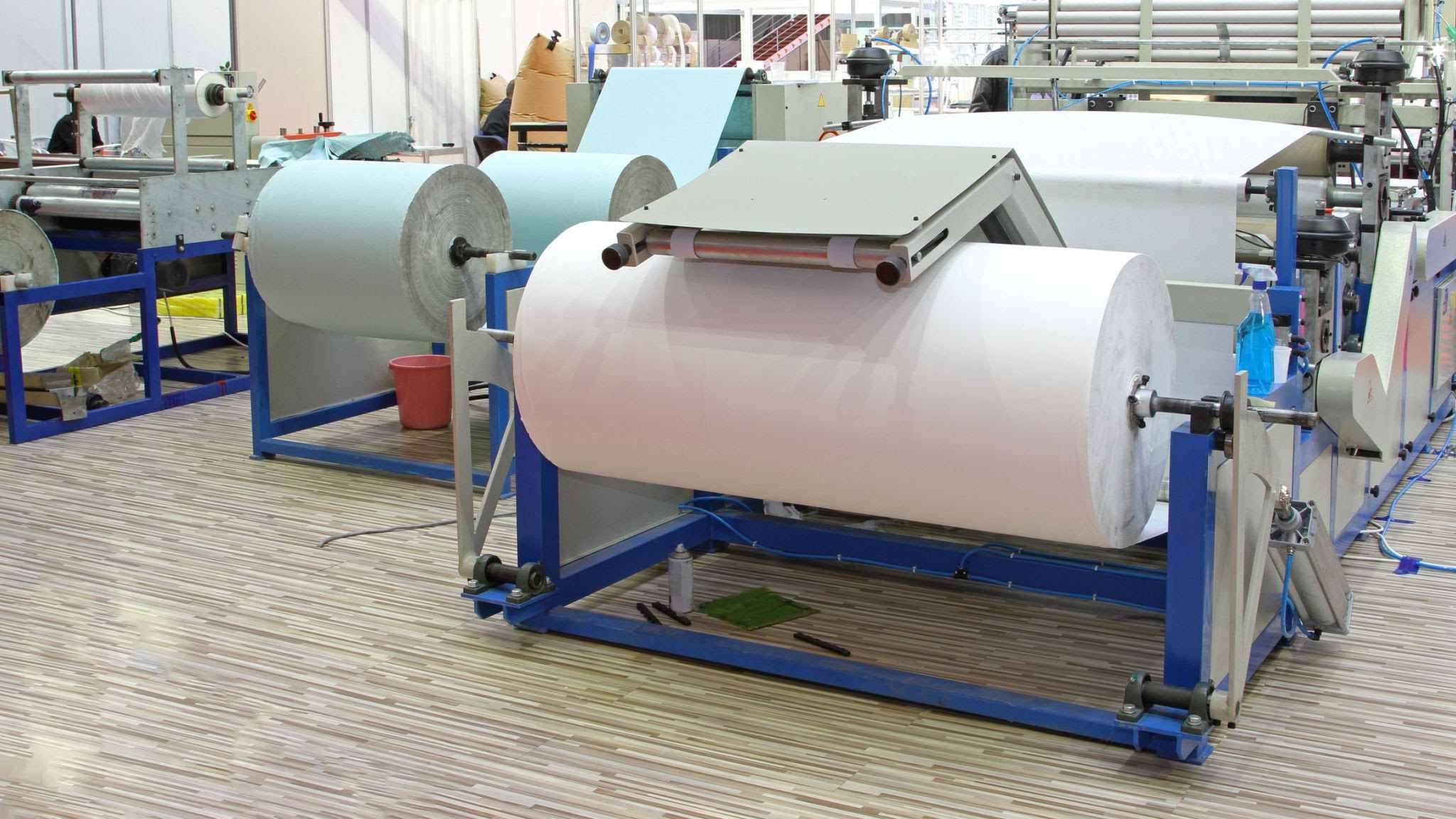
Waterproofing plants feed SART60 directly into bitumen saturators and shingle coating lines to stop thermal shrinkage, eliminate roof deck wrinkling, and prevent edge tearing during high-speed roll winding.
2. Technical Specifications Table (TDS)
| Technical Parameter | Metric Value | Test Standard | Workshop Function & Purpose |
| Unit Weight (Grammage) | 60 g/m² (±5%) | ISO 3374 | Controls exact fiberglass tissue mass to ensure balanced bitumen compound absorption |
| LOI | ≤ 25% | ISO 1887 | Holds fiber matrix stability during hot SBS/APP bitumen baths up to 200°C |
| MD Tensile Strength | ≥ 180 N/50mm | ISO 3342 | Prevents web stretching and line snaps under high machine pull on continuous bitumen lines |
| CD Tensile Strength | ≥ 110 N/50mm | ISO 3342 | Stops edge tears and width shrinkage during continuous roll unwinding and edge slitting |
| Moisture Content | ≤ 1.0% | ISO 3344 | Stops steam pinholes, surface blisters, and layer delamination during hot bitumen dipping |
3. Key Features & Workshop Problem Solvers
Stops Roof Membrane Shrinkage and Wrinkling
Modified bitumen sheets expand and contract under severe outdoor thermal cycling. SART60 fiberglass roofing tissue acts as an unyielding core stabilizer. The inorganic glass fiber matrix limits thermal movement to under 0.1%, keeping installed SBS/APP membranes and asphalt shingles lying flat without seam splitting or edge curling.
High Pull Strength Across Hot Bitumen Saturators
Lightweight reinforcement veils stretch or snap under line pull when passing through molten asphalt tanks at 200°C. SART60 fiberglass tissue maintains high longitudinal tensile strength (≥ 180 N/50mm). This high pull resistance prevents web snaps, lowers factory scrap rates, and keeps high-speed coating lines running without unscheduled stops.
Controlled Bitumen Penetration Without Chemical Waste
Uneven glass mats absorb excess bitumen slurry, driving up raw material costs and causing uneven membrane thickness. SART60 features a calibrated wet-laid fiber structure with uniform binder distribution. It allows asphalt compound to coat both sides cleanly, creating a watertight mechanical bond without wasting expensive polymer-modified bitumen.
4. Target Applications & Processing Lines
SBS & APP Modified Bitumen Waterproofing Lines
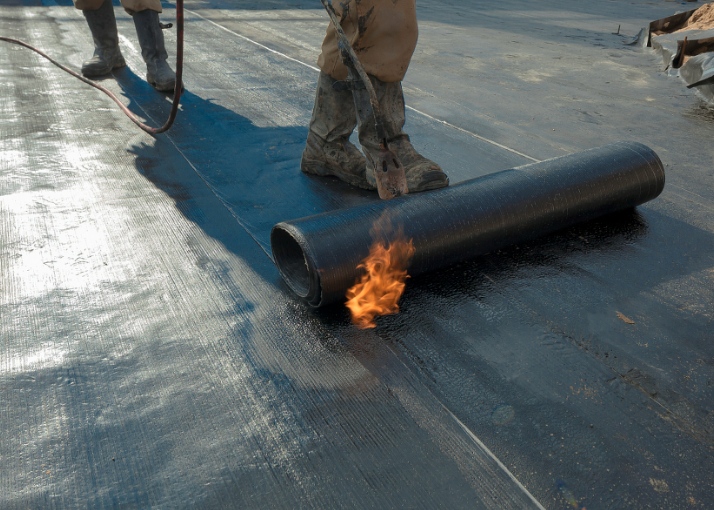
Membrane manufacturing plants feed SART60 fiberglass roofing tissue into continuous saturators as the primary inner carrier mat. The fiberglass tissue absorbs molten SBS or APP-modified bitumen evenly, locks roll dimensional stability, and provides high tensile strength for torch-on or cold-adhesive installation.
Asphalt Shingle Manufacturing & PVC Sheet Substrates
SART60 functions as the heavy-duty inorganic base carrier for colorful architectural asphalt shingles and single-ply PVC waterproofing membranes. The fiberglass roofing tissue prevents shingle rot, locks mineral granule adhesion, and stabilizes PVC sheets against plasticizer migration and heat shrinkage.
5. Frequently Asked Questions (Technical FAQ)
Q: How does SART60 fiberglass roofing tissue prevent seam curling in SBS/APP membranes?
A: SART60 uses a dense, wet-laid glass fiber network bonded with a heat-resistant thermosetting binder. Embedded inside the bitumen compound layer, the fiberglass roofing tissue restricts thermal expansion and contraction below 0.1%, preventing field shrinkage and seam separation.
Q: Can SART60 handle high line speeds on continuous bitumen saturators without web snapping?
A: Yes. SART60 fiberglass tissue delivers a Machine Direction tensile strength of ≥ 180 N/50mm. It maintains strong web tension across continuous coating rollers and cooling drums without stretching or tearing.
Q: Why is low moisture content (≤1.0%) mandatory for SART60 before bitumen dipping?
A: Water trapped in glass veils instantly vaporizes into steam when contacting molten bitumen up to 200°C. Steam creates internal voids, surface pinholes, and layer delamination. SART60 is delivered factory-sealed at ≤ 1.0% moisture to guarantee clean, bubble-free membrane saturation.
Related News
Read More >-
![SATIT200 Heavy-Duty Fiberglass Thermal Insulation Tissue for High-Temperature High-Pressure Molding]()
SATIT200 Heavy-Duty Fiberglass Thermal Insulation Tissue for High-Temperature High-Pressure Molding
SATIT200 is a heavy-duty wet-laid non-woven fiberglass thermal insulation tissue engineered for extreme high-temperature and high-pressure compression molding. We manufacture this high-density fiberglass tissue to serve as a robust structural carrier and thermal barrier in multi-layer insulation jackets, molded pipe shells, industrial furnace linings, and automotive heat shields.
-
![SAFT40 Fiberglass Facing Tissue to Improve Surface Stability in Wall Panels and Glass Curtain Wallsn, and Architectural Glass Curtain Wall Panels]()
SAFT40 Fiberglass Facing Tissue to Improve Surface Stability in Wall Panels and Glass Curtain Wallsn, and Architectural Glass Curtain Wall Panels
SAFT40 is a wet-laid non-woven fiberglass facing tissue engineered for continuous surface facing of insulation slabs and curtain wall panels. We manufacture this fiberglass tissue to create a clean, uniform cover over dark mineral wool, rock cotton boards, and fiberglass insulation cores.
-
![70g/m² Heavy-Duty Non-Woven Glass Mat for Architectural Acoustic Panels, Mineral Wool Tiles, and Perforated Ceilings]()
70g/m² Heavy-Duty Non-Woven Glass Mat for Architectural Acoustic Panels, Mineral Wool Tiles, and Perforated Ceilings
SAAT70 is a wet-laid non-woven fiberglass acoustic tissue engineered for high-performance sound absorption panels and architectural acoustic ceilings. We manufacture this dense fiberglass tissue as a primary acoustic facing veil that controls airflow resistance (AFR) while masking dark mineral wool and glass wool fibers.
-
![25g/m² Ultra-Thin Non-Woven Glass Mat for Substrate Reinforcement in PVC Flooring and Decorative Wallpapers]()
25g/m² Ultra-Thin Non-Woven Glass Mat for Substrate Reinforcement in PVC Flooring and Decorative Wallpapers
The light 25g/m² matrix holds exact machine tension under high-temperature PVC gelation ovens up to 200°C. Factory lines integrate SAFT25 into vinyl sheet flooring and vinyl-faced wall coverings to prevent edge curling, thermal shrinkage, and surface tearing during high-speed lamination
-
![25g/m² Ultra-Thin Glass Fiber Mat for Organic Waste Gas Adsorption and Air Purification Substrates]()
25g/m² Ultra-Thin Glass Fiber Mat for Organic Waste Gas Adsorption and Air Purification Substrates
The light 25g/m² matrix maintains uniform air permeability while providing high thermal resistance up to 260°C. Factory lines integrate SAFT25 into pleated filter elements, honeycomb adsorption wheels, and industrial exhaust gas scrubbers to optimize gas capture without driving up system pressure drop
-
![50g/m² Non-Woven Glass Mat for Primary Backing and Dimensional Stability in Modular Carpet Tiles]()
50g/m² Non-Woven Glass Mat for Primary Backing and Dimensional Stability in Modular Carpet Tiles
The 50g/m² matrix holds tight web tension during high-temperature PVC paste coating and hot bitumen impregnation up to 180°C. Factory lines integrate SACT50 directly between secondary backing layers to stabilize modular tile geometry and eliminate field returns caused by dimensional shifting
-
![50g/m² Functional Coated Mat for Polyisocyanurate (PIR/PUR), Rock Wool, and EPS Outer Wall Insulation Boards.]()
50g/m² Functional Coated Mat for Polyisocyanurate (PIR/PUR), Rock Wool, and EPS Outer Wall Insulation Boards.
The 50g/m² matrix features a functional polymer coating that blocks foam chemical strike-through, maintains web tension under continuous heat pressing up to 200°C, and ensures superior mortar keying on job sites.
-
![30g/m² Fiberglass Tissue for Inner and Outer Surface Treatment of FRP Products]()
30g/m² Fiberglass Tissue for Inner and Outer Surface Treatment of FRP Products
We produce this Fiberglass Surface Tissue to form a resin-rich layer on the inner corrosion-resistant lining and outer surface of FRP tanks, pipes, and pultruded profiles, preventing resin cracking under thermal stress.