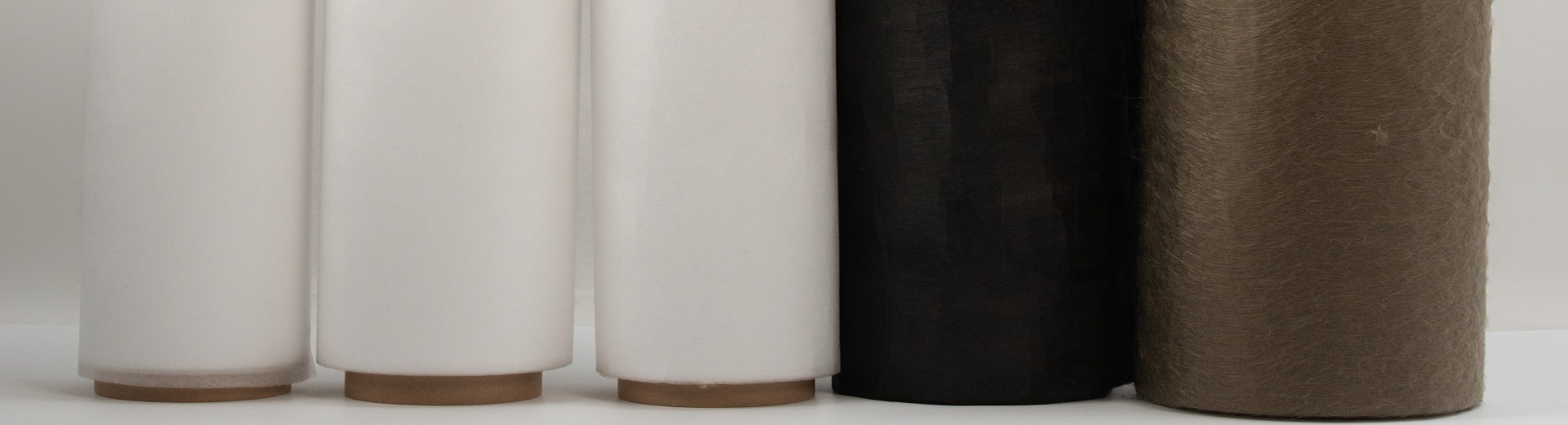
50g/m² Functional Coated Mat for Polyisocyanurate (PIR/PUR), Rock Wool, and EPS Outer Wall Insulation Boards.
2026-09-24 11:09
1.Technical Overview
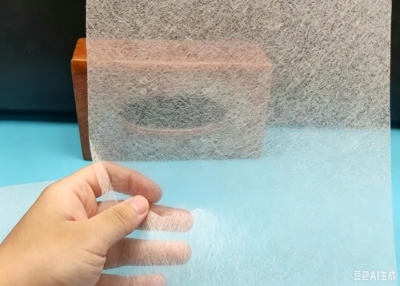
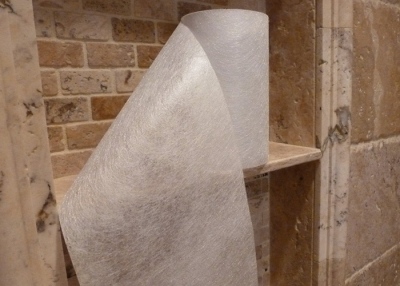
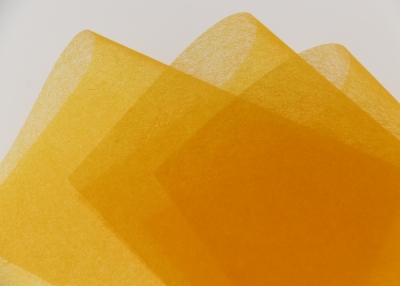
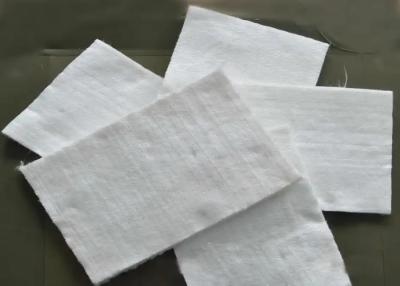
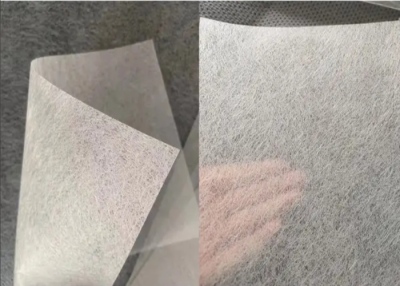
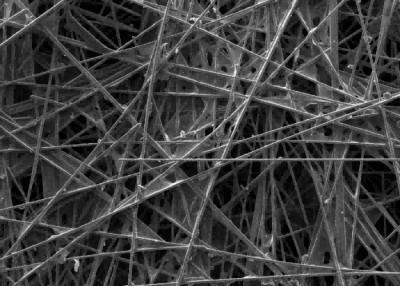
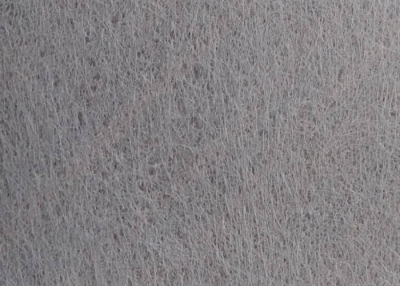
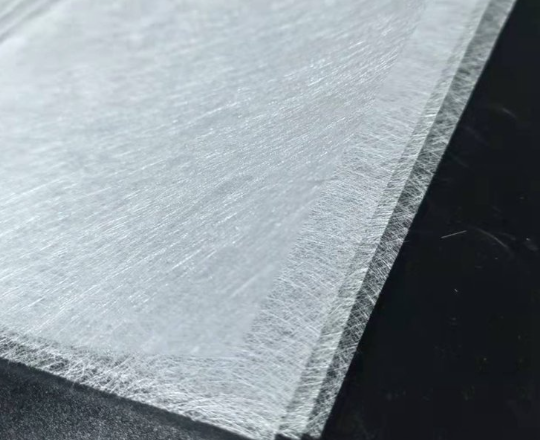
SART50 is a wet-laid non-woven fiberglass coated tissue engineered for high-speed continuous lamination of exterior insulation panels. We manufacture this fiberglass tissue to form a sealed, dimensional surface layer on PIR, PUR, rock wool, and EPS foam boards.
The 50g/m² matrix features a functional polymer coating that blocks foam chemical strike-through, maintains web tension under continuous heat pressing up to 200°C, and ensures superior mortar keying on job sites. Factory lines use SART50 as the primary exterior-facing substrate to eliminate board warping, edge curling, and surface blistering.
2.Technical Specifications Table (TDS)
| Technical Parameter | Metric Value | Test Standard | Workshop Function & Purpose |
| Unit Weight (Grammage) | 50 g/m² (±5%) | ISO 3374 | Controls exact fiberglass tissue weight to ensure uniform coating coverage and foam barrier performance |
| Loss on Ignition (LOI) | 18.0% - 22.0% | ISO 1887 | Maintains binder and coating integrity during hot double-belt press lamination up to 200°C |
| MD Tensile Strength | ≥ 140 N/50mm | ISO 3342 | Prevents web snaps under high machine-direction pull tension on continuous foaming lines |
| CD Tensile Strength | ≥ 80 N/50mm | ISO 3342 | Stops edge tears and web splitting during roll unwind and edge-trimming operations |
| Moisture Content | ≤ 0.2% | ISO 3344 | Prevents steam pocket formation, pinholes, and poor chemical bonding during exothermic reaction |
3.Key Features & Workshop Problem Solvers
Stops Chemical Strike-Through on Foaming Lines
Uncoated glass veils allow polyurethane chemicals or slurry to bleed through during press lamination, contaminating conveyor belts and causing downtime. SART50 fiberglass coated Tissue features a factory-sealed surface coat that keeps foam inside the core while creating a strong mechanical bond with the board.
Prevents Board Warping and Edge Curling
Temperature swings during foam curing cause low-grade facings to stretch unevenly. SART50 fiberglass tissue locks dimensional thermal expansion below 0.1% at 200°C. This stability keeps outer wall insulation boards flat, preventing edge curling and ensuring tight fit during field installation.
Enhances Field Mortar Adhesion
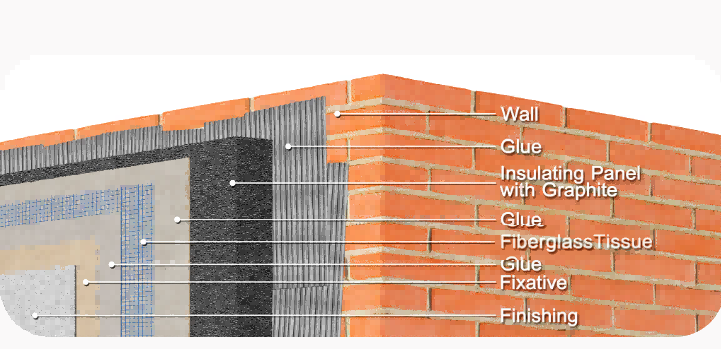
Smooth plastic films require manual roughening on site before applying render mortar. SART50 fiberglass coated tissue provides a micro-textured, cement-compatible surface facing. Exterior adhesive mortars key directly into the tissue layer, speeding up ETICS/EIFS installation.
4.Target Applications & Processing Lines
PIR / PUR Continuous Lamination Lines
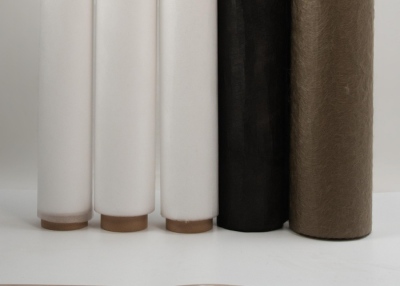
Plant engineers feed SART50 fiberglass coated tissue into continuous double-belt laminators as top and bottom facing substrates. The fiberglass tissue withstands inline roller pressure, controls chemical absorption, and delivers clean, flat-faced insulation boards ready for factory stacking.
Rock Wool & EPS Wall Panel Facings
SART50 acts as an exterior surface carrier for high-density rock wool and expanded polystyrene boards. The fiberglass coated tissue protects the friable core material from mechanical damage, improves weatherability during open jobsite storage, and provides fire-retardant facing support.
Frequently Asked Questions (Technical FAQ)
Q: How does SART50 Fiberglass Coated Tissue prevent foam bleed-through on continuous PIR lines?
A: SART50 uses a factory-applied functional coating over the wet-laid fiber matrix. This layer acts as a barrier that stops liquid foam chemicals from penetrating to the conveyor side while allowing exothermic gases to escape without forming surface blisters.
Q: What is the maximum processing temperature SART50 can handle?
A: SART50 fiberglass coated tissue withstands continuous double-belt press temperatures up to 200°C without binder degradation, shrinking, or losing tensile strength.
Q: Why is moisture control critical for SART50 before lamination?
A: Keeping moisture content at or below 0.2% prevents steam generation when hot polyurethane foam hits the veil. High moisture causes surface pinholes and weak interfacial bonding between the fiberglass tissue and the insulation core. Seal unused rolls in PE film.
Related News
Read More >-
![30g/m² Fiberglass Tissue for Inner and Outer Surface Treatment of FRP Products]()
30g/m² Fiberglass Tissue for Inner and Outer Surface Treatment of FRP Products
We produce this Fiberglass Surface Tissue to form a resin-rich layer on the inner corrosion-resistant lining and outer surface of FRP tanks, pipes, and pultruded profiles, preventing resin cracking under thermal stress.
-
![SART50 Fiberglass Roofing Tissue to Reduce Asphalt Membrane Production Scrap]()
SART50 Fiberglass Roofing Tissue to Reduce Asphalt Membrane Production Scrap
We make this Fiberglass Tissue to carry asphalt during continuous hot dipping and lamination runs.The 50g/m² matrix holds roll tension under high temperatures, stops edge tears, and controls binder loss in hot bitumen dip tanks up to 200°C.
-
![The Industrial Value of Polyimide Wet-Laid Nonwovens]()
The Industrial Value of Polyimide Wet-Laid Nonwovens
Polyimide fiber wet-laid nonwoven fabric is the ideal fiber material for making fire-retardant clothing such as protective suits for armored forces, racing suits, and flight suits. It can also be used to manufacture comfortable and warm functional clothing.
-
![Wet-laid nonwovens are rapidly penetrating the high-end application market, driven by their superior performance.]()
Wet-laid nonwovens are rapidly penetrating the high-end application market, driven by their superior performance.
-
![What makes quartz fiber needle-punched felt the new benchmark for thermal insulation materials?]()
What makes quartz fiber needle-punched felt the new benchmark for thermal insulation materials?
With a temperature resistance limit of 1050°C, an ultra-low thermal conductivity of 0.03 W/(m·K), 30% compressibility and resilience, and 99.95% purity, quartz fiber needle-punched felt is sparking a thermal insulation revolution in the photovoltaic and semiconductor sectors.
-
![High-Performance Quartz Fiber Wet-Laid Nonwovens for Extreme Environments]()
High-Performance Quartz Fiber Wet-Laid Nonwovens for Extreme Environments
Quartzel fiber is a homogeneous, non-porous, continuous, and amorphous ultra-high-purity silica glass. An SiO₂ content of no less than 99.95% ensures the material's exceptional purity and chemical stability. Wet-laid Quartz Fiber Nonwoven manufactured from high-purity yarns that have been cut and subsequently processed via a wet-laid process.
-
![Wet-Laid Glass Fiber Thick Felt Boosts Acoustic Material Upgrades]()
Wet-Laid Glass Fiber Thick Felt Boosts Acoustic Material Upgrades
Wet-process glass fiber thick felt is a novel functional material manufactured using an advanced wet-process technique, specifically designed to address the acoustic and thermal challenges inherent in modern architectural and industrial environments.
-
![From Filtration to New Energy: The Application Landscape of Wet-Laid Glass Fiber Nonwovens Continues to Expand]()
From Filtration to New Energy: The Application Landscape of Wet-Laid Glass Fiber Nonwovens Continues to Expand
It is an innovative industrial material produced by processing electronic-grade chopped fiberglass strands using a specialized wet-laid process. This unique manufacturing method endows it with a range of exceptional physical and chemical properties, serving as a critical foundation for high-performance composite materials.