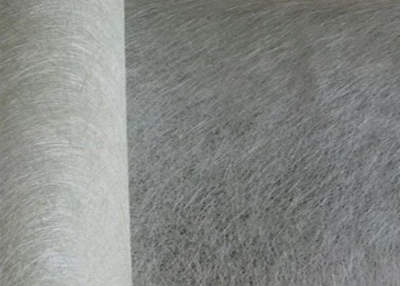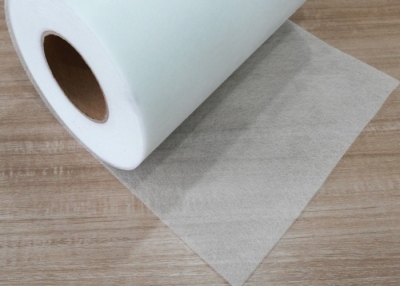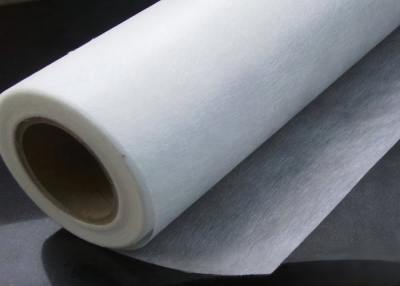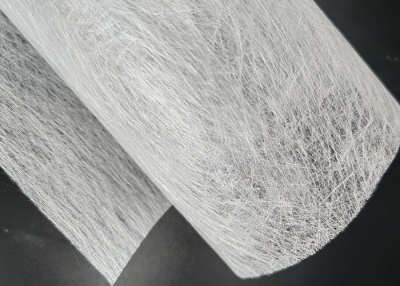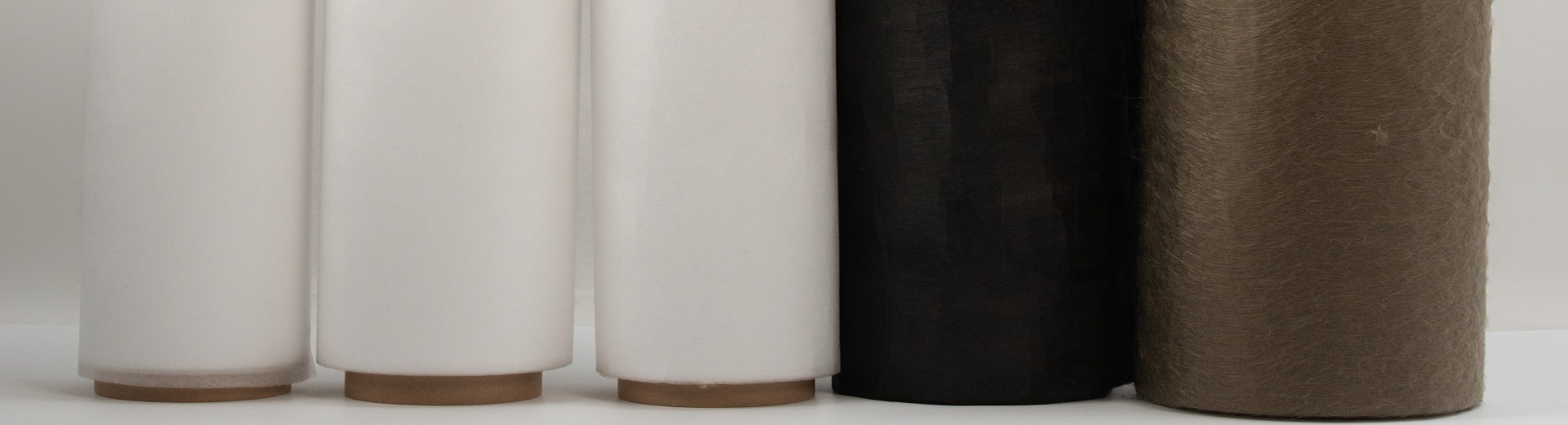
Carbon fiber wet-laid nonwoven fabric
2026-04-02 16:54
Structural Characteristics, Process Advantages, and Application Analysis of Wet-Laid Carbon Fiber Nonwovens
Against the backdrop of continuous advancements in high-performance materials, wet-laid carbon fiber nonwovens have gradually risen to prominence, emerging as a key material attracting widespread attention across the industry. As an advanced material characterized by a combination of lightweight properties and high performance, it demonstrates immense application potential in fields such as new energy, environmental filtration, and the electronics industry.
1. Basic Concepts
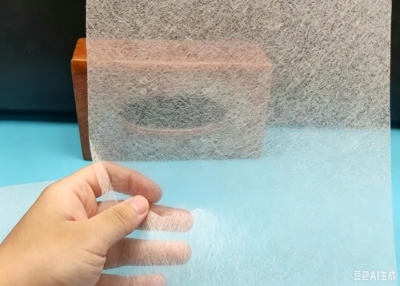
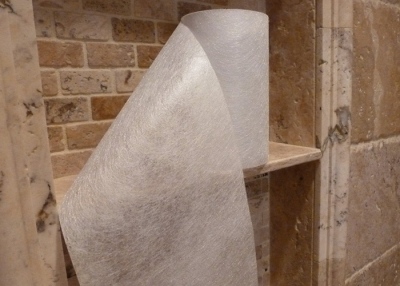
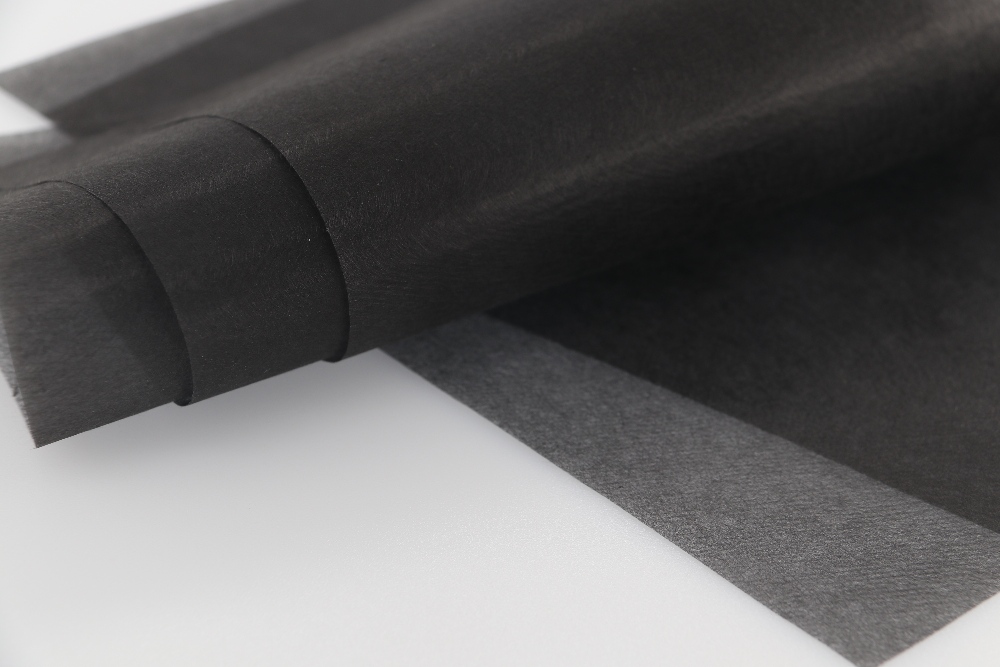
Wet-laid carbon fiber nonwovens are porous fibrous materials prepared using chopped carbon fibers as the primary raw material via wet-laid web-forming technology. During the preparation process, the carbon fibers are uniformly dispersed within an aqueous medium; through a series of steps—including web formation, dewatering, pressing, and drying—a stable, three-dimensional network structure is ultimately formed.
2. Structural Characteristics of Wet-Laid Carbon Fiber Nonwovens
Wet-laid carbon fiber nonwovens typically exhibit structural characteristics characterized by low density and high porosity. This specific structure enables the nonwovens to possess excellent air permeability and a large specific surface area while simultaneously maintaining a requisite level of mechanical strength.
3. Production Process of Wet-Laid Carbon Fiber Nonwovens
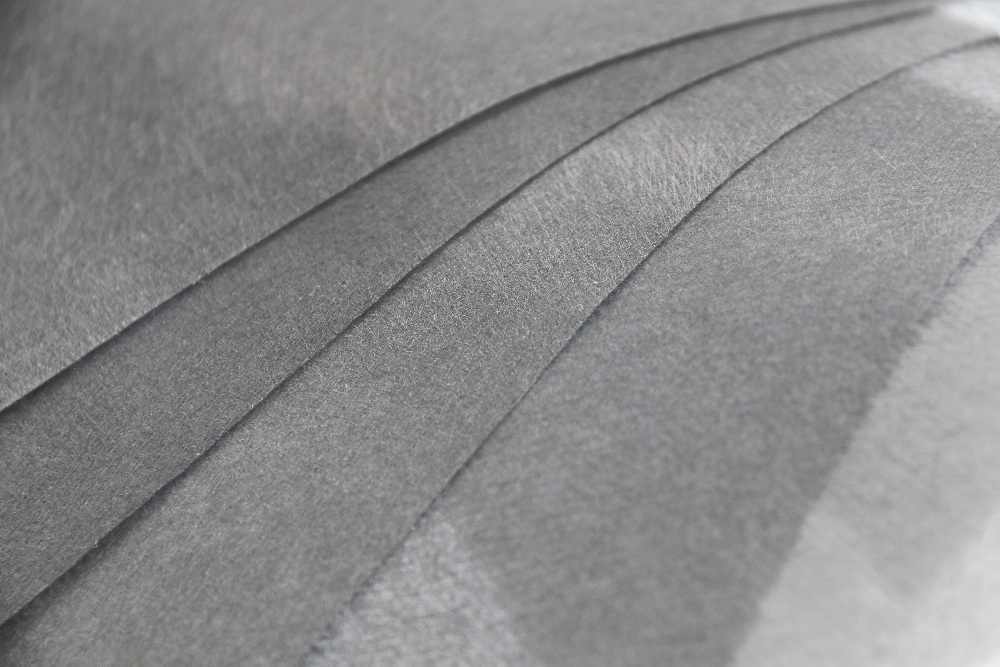
The core of the wet-laid carbon fiber nonwoven production process lies in the wet-laid web-forming technology.
First, the carbon fibers must be thoroughly dispersed; this constitutes a critical step in the preparation of high-quality wet-laid carbon fiber nonwovens. Given that carbon fibers possess a certain degree of hydrophobicity, dispersing agents are typically added during the preparation process to enhance their dispersion state within the aqueous medium.
Second, during the web-forming stage—utilizing a method analogous to traditional papermaking—the fibers are uniformly deposited onto a wire screen to form a preliminary structural web. Subsequently, the structure of the nonwoven material is further stabilized through vacuum dewatering and hot-pressing treatments. Finally, the finished product is obtained following drying and setting processes.
4. Performance Advantages of Wet-Laid Carbon Fiber Nonwovens
Wet-laid carbon fiber nonwovens offer a wide range of performance advantages. Carbon fiber wet-laid nonwovens possess excellent electrical conductivity, capable of forming a continuous conductive network while maintaining structural stability even in high-temperature environments. Furthermore, these nonwovens exhibit superior corrosion resistance, making them suitable for use in a wide variety of complex operating conditions.
5. Application Fields of Carbon Fiber Wet-Laid Nonwovens
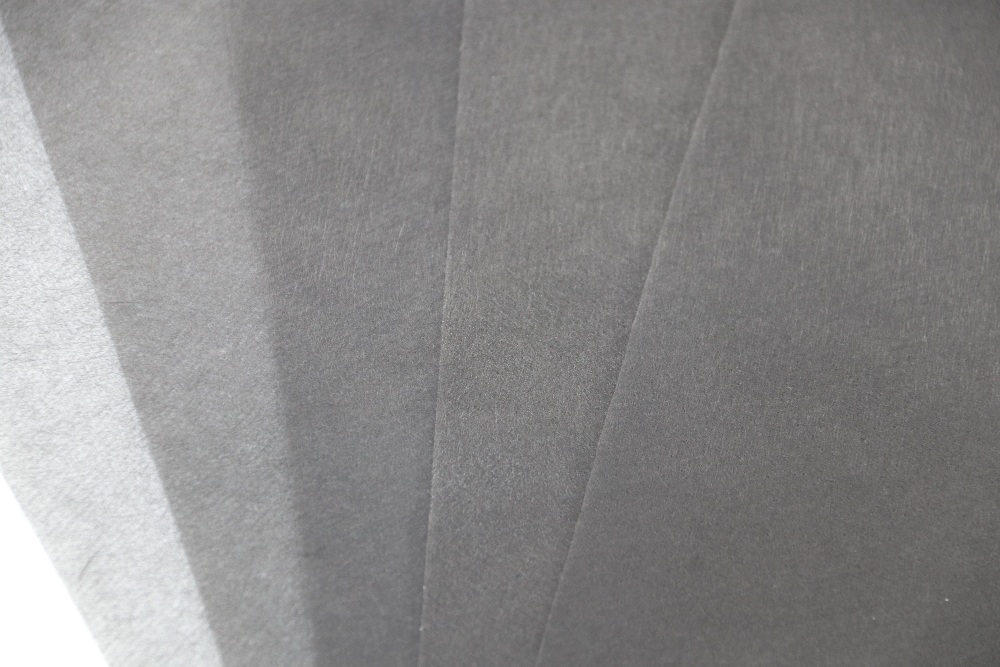
Currently, carbon fiber wet-laid nonwovens have found applications across numerous industries. In the new energy sector, they are utilized in lithium-ion batteries and fuel cells, serving as conductive layers or diffusion layers to help enhance overall battery performance.
In the field of environmental protection, carbon fiber wet-laid nonwovens are employed in air filtration and high-temperature filtration systems, proving particularly effective for the treatment of industrial waste gas. Within the electronics industry, these nonwovens serve as electromagnetic shielding materials, effectively mitigating electromagnetic interference.
Related News
Read More >-
![25g/m² Ultra-Thin Non-Woven Glass Mat for Substrate Reinforcement in PVC Flooring and Decorative Wallpapers]()
25g/m² Ultra-Thin Non-Woven Glass Mat for Substrate Reinforcement in PVC Flooring and Decorative Wallpapers
The light 25g/m² matrix holds exact machine tension under high-temperature PVC gelation ovens up to 200°C. Factory lines integrate SAFT25 into vinyl sheet flooring and vinyl-faced wall coverings to prevent edge curling, thermal shrinkage, and surface tearing during high-speed lamination
-
![25g/m² Ultra-Thin Glass Fiber Mat for Organic Waste Gas Adsorption and Air Purification Substrates]()
25g/m² Ultra-Thin Glass Fiber Mat for Organic Waste Gas Adsorption and Air Purification Substrates
The light 25g/m² matrix maintains uniform air permeability while providing high thermal resistance up to 260°C. Factory lines integrate SAFT25 into pleated filter elements, honeycomb adsorption wheels, and industrial exhaust gas scrubbers to optimize gas capture without driving up system pressure drop
-
![50g/m² Non-Woven Glass Mat for Primary Backing and Dimensional Stability in Modular Carpet Tiles]()
50g/m² Non-Woven Glass Mat for Primary Backing and Dimensional Stability in Modular Carpet Tiles
The 50g/m² matrix holds tight web tension during high-temperature PVC paste coating and hot bitumen impregnation up to 180°C. Factory lines integrate SACT50 directly between secondary backing layers to stabilize modular tile geometry and eliminate field returns caused by dimensional shifting
-
![50g/m² Functional Coated Mat for Polyisocyanurate (PIR/PUR), Rock Wool, and EPS Outer Wall Insulation Boards.]()
50g/m² Functional Coated Mat for Polyisocyanurate (PIR/PUR), Rock Wool, and EPS Outer Wall Insulation Boards.
The 50g/m² matrix features a functional polymer coating that blocks foam chemical strike-through, maintains web tension under continuous heat pressing up to 200°C, and ensures superior mortar keying on job sites.
-
![30g/m² Fiberglass Tissue for Inner and Outer Surface Treatment of FRP Products]()
30g/m² Fiberglass Tissue for Inner and Outer Surface Treatment of FRP Products
We produce this Fiberglass Surface Tissue to form a resin-rich layer on the inner corrosion-resistant lining and outer surface of FRP tanks, pipes, and pultruded profiles, preventing resin cracking under thermal stress.
-
![SART50 Fiberglass Roofing Tissue to Reduce Asphalt Membrane Production Scrap]()
SART50 Fiberglass Roofing Tissue to Reduce Asphalt Membrane Production Scrap
We make this Fiberglass Tissue to carry asphalt during continuous hot dipping and lamination runs.The 50g/m² matrix holds roll tension under high temperatures, stops edge tears, and controls binder loss in hot bitumen dip tanks up to 200°C.
-
![The Industrial Value of Polyimide Wet-Laid Nonwovens]()
The Industrial Value of Polyimide Wet-Laid Nonwovens
Polyimide fiber wet-laid nonwoven fabric is the ideal fiber material for making fire-retardant clothing such as protective suits for armored forces, racing suits, and flight suits. It can also be used to manufacture comfortable and warm functional clothing.
-
![Wet-laid nonwovens are rapidly penetrating the high-end application market, driven by their superior performance.]()
Wet-laid nonwovens are rapidly penetrating the high-end application market, driven by their superior performance.