SABST55 Fiberglass Battery Separator Tissue to Prevent Plate Shedding and Extend Deep-Cycle Battery Life
2026-11-24 16:49
1. Technical Overview
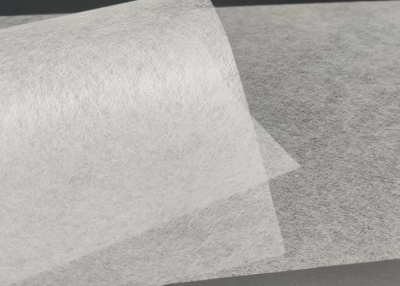
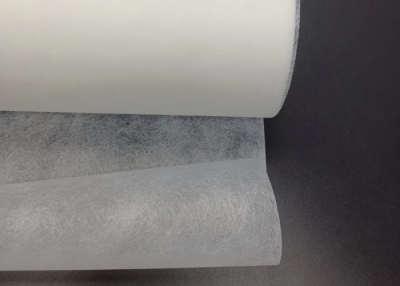
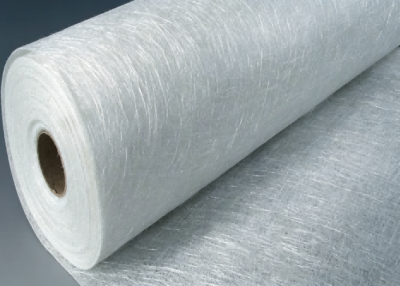
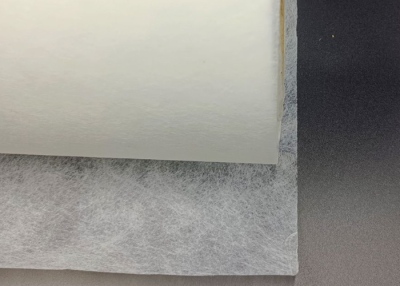
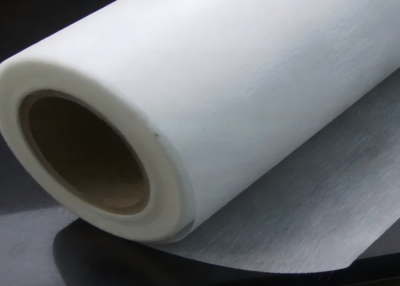
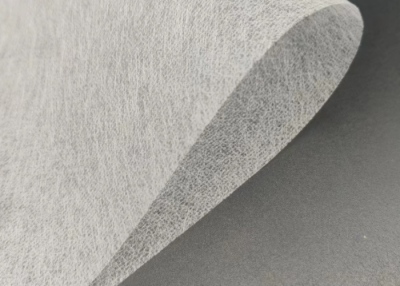
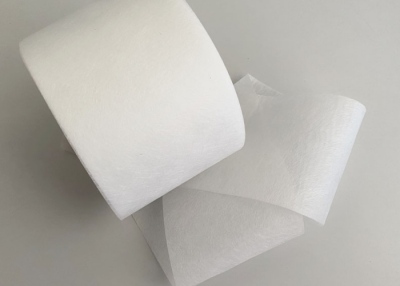
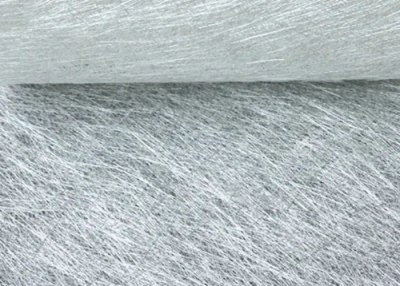
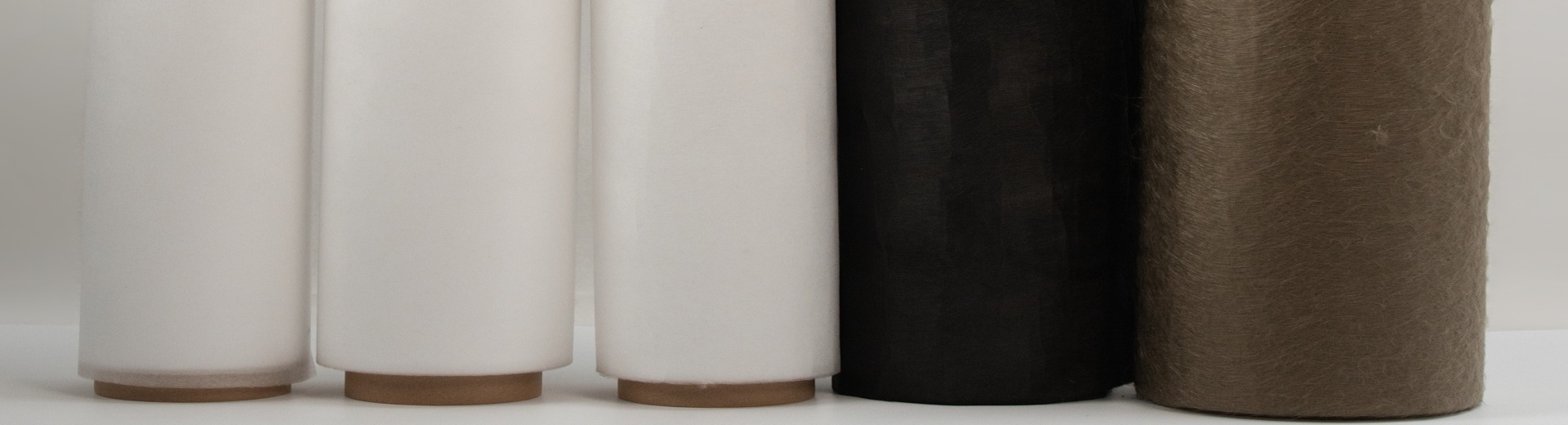
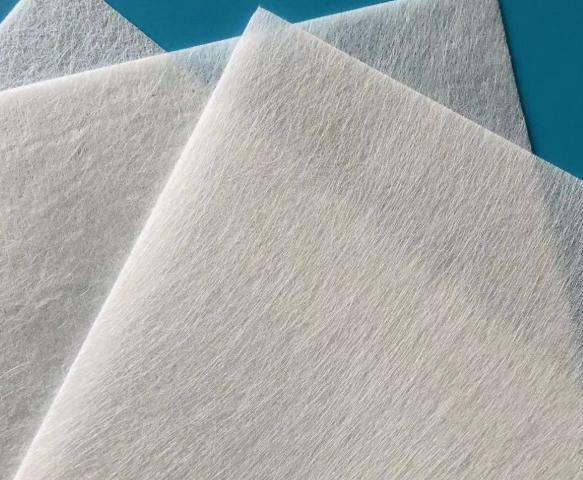
SAXOBRAN SABST55 is a heavy-duty wet-laid non-woven fiberglass battery separator tissue engineered for automated lead-acid battery plate wrapping and PE/AGM separator lamination lines.
We manufacture this high-density fiberglass tissue as a mechanical retention mat pressed against positive battery plates to stop active paste shedding and prevent grid puncture.
The 55g/m² fiber matrix maintains ultra-low organic impurities (controlled potassium permanganate reducing value) to stop sulfuric acid contamination and self-discharge.
Industrial battery plants integrate SABST55 onto tubular, traction, and deep-cycle plates to absorb electrolyte rapidly, lower internal electrical resistance, and prevent bottom sludge short circuits.
2. Technical Specifications Table (TDS)
| Technical Parameter | Metric Value | Test Standard | Workshop Function & Purpose |
| Unit Weight (Grammage) | 55 g/m² (±5%) | ISO 3374 | Controls exact fiberglass tissue mass to hold active paste and absorb sulfuric acid evenly |
| Nominal Thickness | 0.30 mm (±0.03) | ISO 534 | Provides mechanical cushion against sharp plate grid burrs while keeping resistance low |
| Loss on Ignition (LOI) | ≤ 20% | ISO 1887 | Low organic binder content prevents chemical gas generation and acid discoloration inside cells |
| MD Tensile Strength | ≥ 110 N/50mm | ISO 3342 | Prevents web stretching and line snaps on high-speed automated plate-wrapping machines |
| KMnO₄ Reducing Value | ≤ 15 ml/g | IEC 60896 | Strictly controls organic impurities to stop lead plate self-discharge and positive grid corrosion |
| Moisture Content | ≤ 1.0% | ISO 3344 | Prevents premature acid dilution and localized gas pocket formation during cell filling |
3. Key Features & Workshop Problem Solvers
Locks Active Paste Mass and Stops Deep-Cycle Shedding
Heavy traction and stationary batteries suffer severe positive paste shedding during repeated deep discharge cycles, causing bottom sediment short circuits. SABST55 fiberglass battery separator tissue presses firmly against the active plate face. The dense 55g/m² glass fiber web holds lead oxide particles tightly in place, preventing paste softening and extending battery cycle life.
Cushions Sharp Plate Grid Burrs Against Separator Puncture
Rough cast or expanded lead plate grids puncture thin polyethylene (PE) envelopes during automated plate stacking and group compression. SABST55 fiberglass tissue provides a resilient 0.30 mm protective glass cushion between the positive plate and the PE separator, eliminating internal cell shorts on the assembly line.
Ultra-Low Organic Impurities Prevent Self-Discharge and Grid Corrosion
Uncontrolled organic binders in separator mats leach into sulfuric acid electrolyte, accelerating grid oxidation and battery self-discharge during warehouse storage. SABST55 fiberglass battery separator tissue maintains a strict Potassium Permanganate reducing value of ≤ 15 ml/g. This clean chemical footprint keeps electrolyte clear and preserves battery state-of-charge.
4. Target Applications & Processing Lines
Deep-Cycle Traction & Stationary Industrial Batteries
Battery manufacturing plants apply SABST55 fiberglass battery separator tissue directly onto positive plates in forklift traction batteries, golf cart batteries, and telecom backup cells. The fiberglass tissue withstands severe vibration and high-gravity sulfuric acid without shrinking or degrading.
PE Envelope Lamination & Automotive Heavy-Duty Starter Batteries
SABST55 serves as the glass mat backing laminated onto ribbed polyethylene (PE) pocket separators for commercial truck and marine starter batteries. The fiberglass battery separator tissue boosts acid wicking between plates, prevents acid stratification, and maintains high Cold Cranking Amps (CCA).
5. Frequently Asked Questions (Technical FAQ)
Q: How does SABST55 fiberglass battery separator tissue prevent active mass shedding in deep-cycle batteries?
A: SABST55 uses a heavy 55g/m² wet-laid E-glass microfiber network pressed directly against the positive plate surface. Inside the compressed cell stack, the fiberglass battery separator tissue mechanically traps active paste particles, stopping mud buildup at the bottom of the battery case.
Q: Why is the Potassium Permanganate reducing value strictly controlled below 15 ml/g?
A: The test measures oxidizable organic impurities in the glass mat. Keeping this value ≤ 15 ml/g ensures SABST55 fiberglass tissue will not react with sulfuric acid electrolyte, preventing positive grid corrosion, unwanted gassing, and premature self-discharge.
Q: Can SABST55 handle high-speed automated plate wrapping and PE lamination without web tearing?
A: Yes. SABST55 delivers a Machine Direction tensile strength of ≥ 110 N/50mm at a uniform 0.30 mm thickness. It runs smoothly through high-speed slitting, wrapping, and ultrasonic PE lamination heads without web snaps or edge fraying.
Related News
Read More >-
![SAFT50 Fiberglass Facing Tissue to Improve Surface Flatness and Wet-Strength Stability in Mineral Wool Boards and Glass Curtain Walls]()
SAFT50 Fiberglass Facing Tissue to Improve Surface Flatness and Wet-Strength Stability in Mineral Wool Boards and Glass Curtain Walls
SAFT50 is a wet-laid non-woven fiberglass facing tissue engineered for continuous surface lamination onto mineral wool boards, rock cotton slabs, and curtain wall insulation panels. We manufacture this smooth fiberglass tissue to mask dark insulation cores, stop loose fiber shedding, and provide a clean decorative substrate for architectural coatings.
-
![SAFT25 Fiberglass Filter Tissue to Lower Pressure Drop in Organic Waste Gas and Air Purification Systems]()
SAFT25 Fiberglass Filter Tissue to Lower Pressure Drop in Organic Waste Gas and Air Purification Systems
SAXOBRAN SAFT25 is an ultra-thin wet-laid non-woven fiberglass filter tissue engineered for continuous activated carbon slurry impregnation, rotary pleating, and honeycomb adsorption wheel assembly. We manufacture this open-pore fiberglass tissue as a high-temperature carrier substrate that holds adsorbent slurries while keeping system airflow resistance low.
-
![SACFT200 Fiberglass Coated Facing Tissue to Eliminate Paint Bleeding and Improve Board Rigidity in Gypsum and Wall Insulation Panels]()
SACFT200 Fiberglass Coated Facing Tissue to Eliminate Paint Bleeding and Improve Board Rigidity in Gypsum and Wall Insulation Panels
SAXOBRAN SACFT200 is a heavy-duty wet-laid non-woven fiberglass coated facing tissue engineered for continuous gypsum board casting and rigid thermal insulation board lamination lines. We manufacture this pre-coated fiberglass tissue using a specialized calcium carbonate mineral coating formulation to seal surface porosity, stop slurry bleed-through, and provide a smooth, paint-ready finish.
-
![SACT40 Fiberglass Carpet Tissue to Eliminate Tile Curling and Improve Surface Smoothness in Commercial Carpets]()
SACT40 Fiberglass Carpet Tissue to Eliminate Tile Curling and Improve Surface Smoothness in Commercial Carpets
SACT40 is a wet-laid non-woven fiberglass carpet tissue engineered for continuous PVC, bitumen, and polyurethane carpet tile backing lines. We manufacture this ultra-smooth fiberglass tissue as an internal dimensional stabilizer that locks tufted primary backings to heavy secondary cushion layers.
-
![SAPWT50 Fiberglass Pipe Wrapping Tissue to Eliminate Coating Pinholes in Underground Oil and Gas Pipelines]()
SAPWT50 Fiberglass Pipe Wrapping Tissue to Eliminate Coating Pinholes in Underground Oil and Gas Pipelines
SAXOBRAN SAPWT50 is a wet-laid non-woven fiberglass pipe wrapping tissue engineered for continuous factory pipe coating yards and field pipeline wrapping machines. We manufacture this fiberglass tissue as an inner reinforcement carrier embedded directly inside hot-applied bitumen, coal tar enamel, and asphalt anti-corrosion coatings.
-
![50g/m² Chemical-Resistant Glass Fiber Mat for Smooth Corrosion Barrier Linings in Glass Reinforced Epoxy (GRE) Pipe and Vessel Filament Winding]()
50g/m² Chemical-Resistant Glass Fiber Mat for Smooth Corrosion Barrier Linings in Glass Reinforced Epoxy (GRE) Pipe and Vessel Filament Winding
SAST50 is a wet-laid non-woven fiberglass surface tissue engineered for continuous filament winding and hand lay-up of GRE (Glass Reinforced Epoxy) products. We manufacture this dense fiberglass tissue as an essential resin-rich surface veil that creates a smooth, crack-resistant inner liner inside chemical pipes, storage tanks, and offshore high-pressure lines.
-
![60g/m² Heavy-Duty Non-Woven Glass Mat for Substrate Reinforcement in SBS, APP, PVC Waterproofing Membranes, and Asphalt Shingles]()
60g/m² Heavy-Duty Non-Woven Glass Mat for Substrate Reinforcement in SBS, APP, PVC Waterproofing Membranes, and Asphalt Shingles
SART60 is a heavy-duty wet-laid non-woven fiberglass roofing tissue engineered for continuous modified bitumen dipping and PVC waterproofing membrane lines. We manufacture this dense fiberglass tissue as a primary structural carrier that locks molten SBS/APP bitumen compounds and stabilizes plasticized PVC sheets.
-
![SATIT200 Heavy-Duty Fiberglass Thermal Insulation Tissue for High-Temperature High-Pressure Molding]()
SATIT200 Heavy-Duty Fiberglass Thermal Insulation Tissue for High-Temperature High-Pressure Molding
SATIT200 is a heavy-duty wet-laid non-woven fiberglass thermal insulation tissue engineered for extreme high-temperature and high-pressure compression molding. We manufacture this high-density fiberglass tissue to serve as a robust structural carrier and thermal barrier in multi-layer insulation jackets, molded pipe shells, industrial furnace linings, and automotive heat shields.