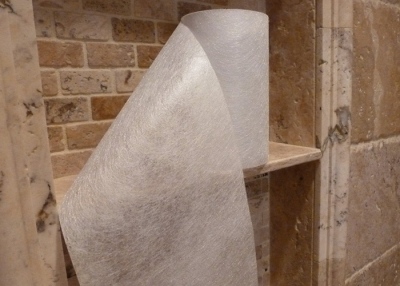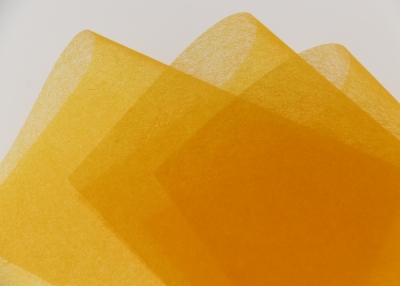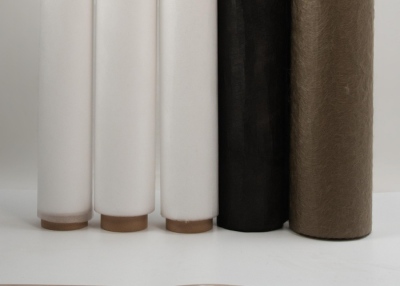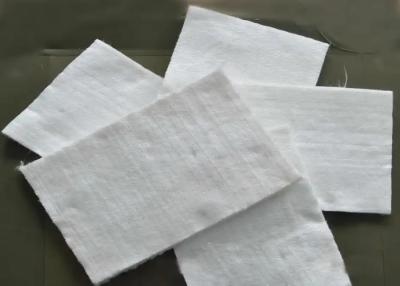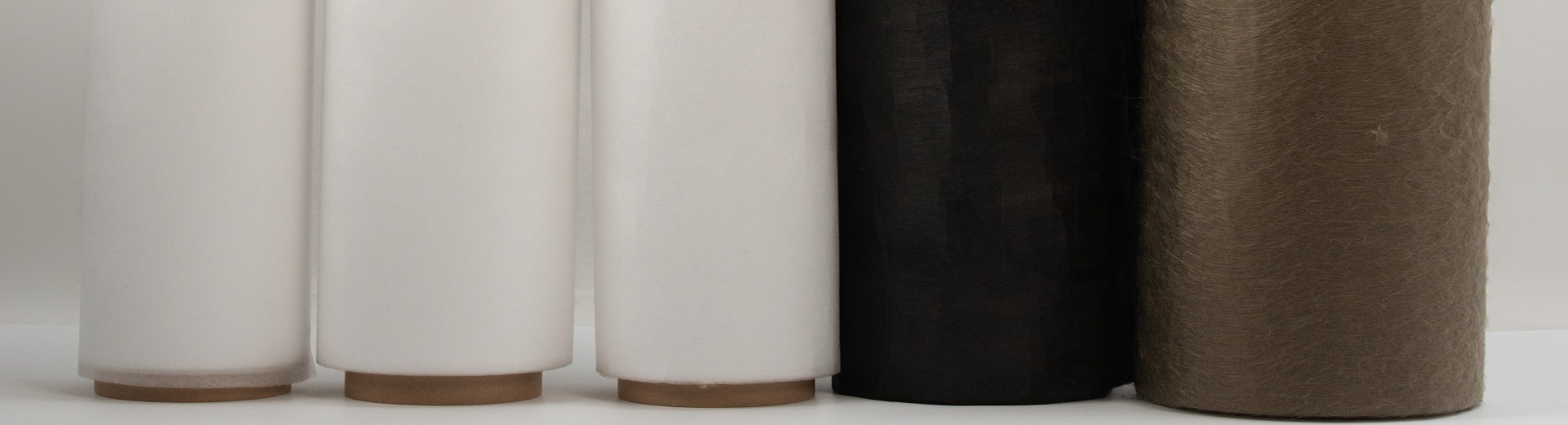
Performance advantages of basalt fiber wet nonwoven fabric
2026-04-30 11:07
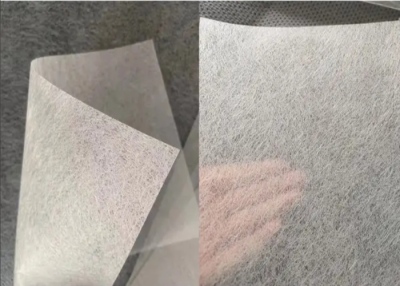
Basalt is a volcanic extrusive rock and one of the most widely existing and distributed minerals on Earth. The continuous fiber produced from it represents a qualitative leap in fiber quality compared to ordinary rock wool.
Its high elastic modulus, high thermal stability, and excellent acid and alkali resistance have led to its widespread application.
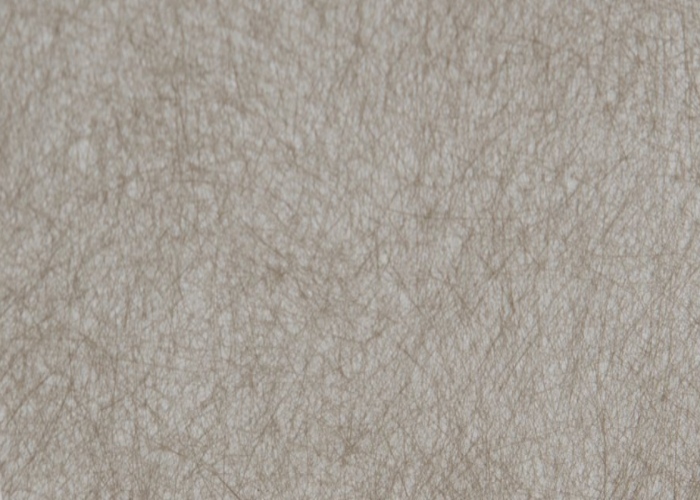
1. Advantages of basalt fiber wet-laid nonwoven fabric
1.1 Good Tensile Strength and Reinforcement Effect
Basalt fiber wet-laid nonwoven fabric can retain its strength for 1200 hours under the action of water at 70°C, whereas ordinary glass fiber loses its strength in less than 200 hours. Its tensile strength can increase by 30% at temperatures of 100–250°C, while ordinary glass fiber decreases by 23%.
1.2 Excellent Corrosion Resistance and Chemical Stability
Basalt fiber wet-laid nonwoven fabricexhibits unique chemical stability in alkaline solutions and has better acid resistance than ECR glass fiber, offering significant acid and alkali resistance at a much lower cost.
1.3 Good Insulation Properties
The dielectric loss tangent of basalt fiber wet-laid nonwoven fabricis similar to that of glass fiber. Basalt fiber treated with specialized sizing agents has a dielectric loss tangent 50% lower than ordinary glass fiber.
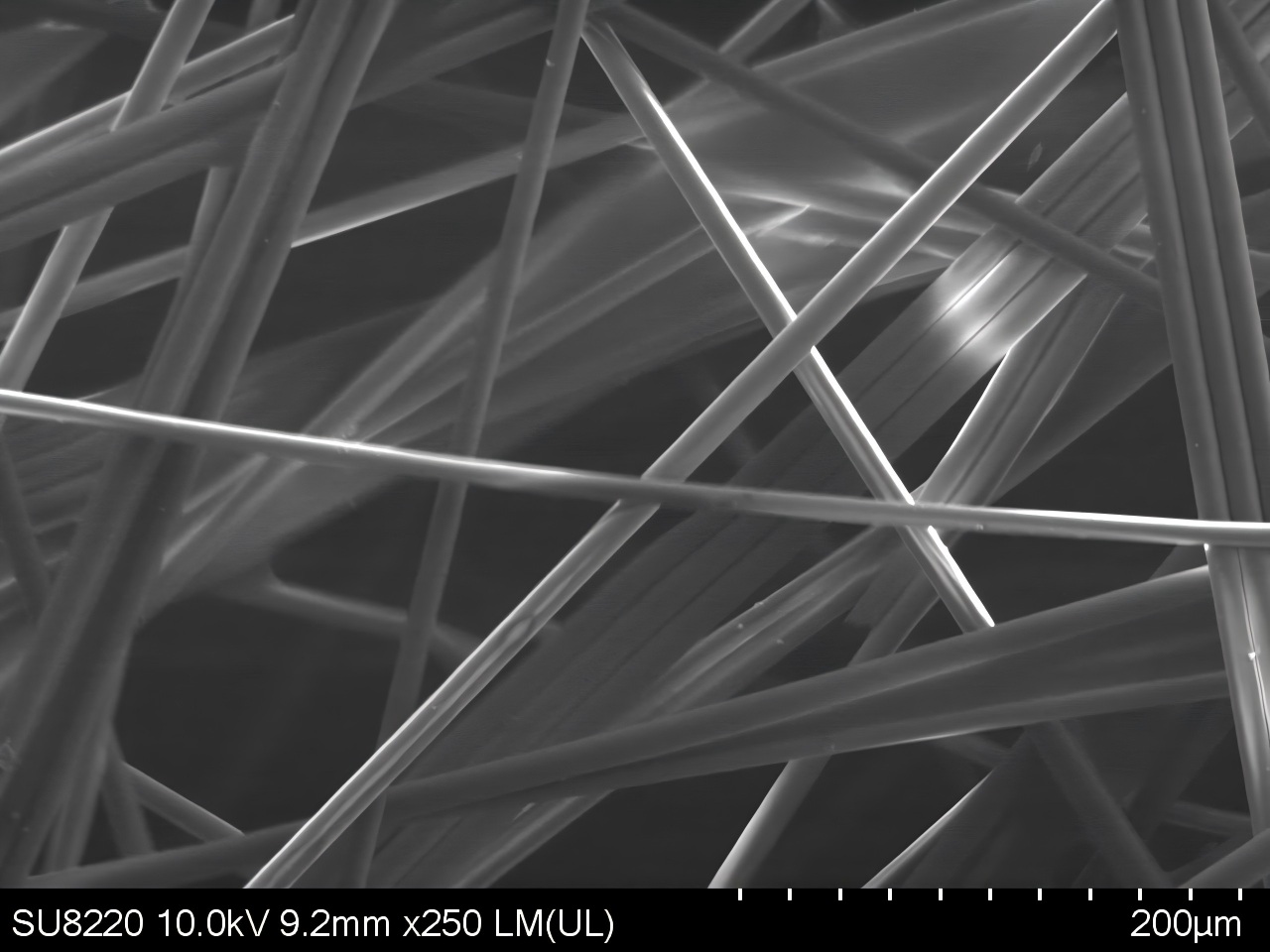
1.4 High-Temperature Resistance and Low-Temperature Thermal Stability
Basalt fiber wet-laid nonwoven fabricheat resistance is close to that of high-temperature quartz glass fiber. At 400°C, it retains 85% of its original breaking strength; at 600°C, it retains 80%. Under the same conditions, mineral wool retains only 50%–60% of its original strength, while glass wool is completely destroyed.
1.5 Excellent Elastic Modulus
The elastic modulus of basalt fiber is similar to that of expensive S-glass fiber, with comparable strength. It demonstrates good weaving performance for fabrics weighing 150–210 g/m². It can replace S-glass and other glass fibers in manufacturing insulation products and composites, hard armor, and various GFRP products.
2.Preparation Process of Basalt Fiber Wet-Layer Nonwoven Fabric:
2.1 Raw Materials and Pretreatment:
Select short basalt fibers wet-laid nonwoven fabric of a certain length (generally 3–12 mm). Due to their smooth surface and tendency to agglomerate, dispersants (such as polyacrylamide, surfactants, etc.) need to be added, sometimes along with a small amount of binder (latex, starch, or water-soluble resin). Use high-speed stirring or pulping equipment to fully disperse the fibers in water, forming a stable and uniform suspension slurry.
2.2 Basalt Fiber Wet-Laid Nonwoven Wet Forming:
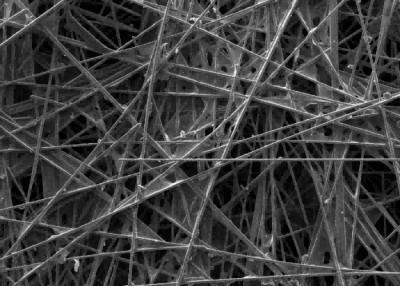
Feed the fiber slurry into a wet forming system similar to a paper machine (such as a wire or cylinder former). In a flowing water medium, the fibers randomly deposit on the surface of the forming wire, forming a uniform fiber web. This step requires high slurry concentration (usually 0.1%–0.5%) and flow field stability to ensure uniform areal density.
2.3 Dewatering and Pressing:
The initially formed wet fiber web has a high moisture content. Water is gradually removed through gravity dewatering, vacuum filtration, and mechanical pressing to improve the contact density between fibers, providing a foundation for subsequent consolidation.
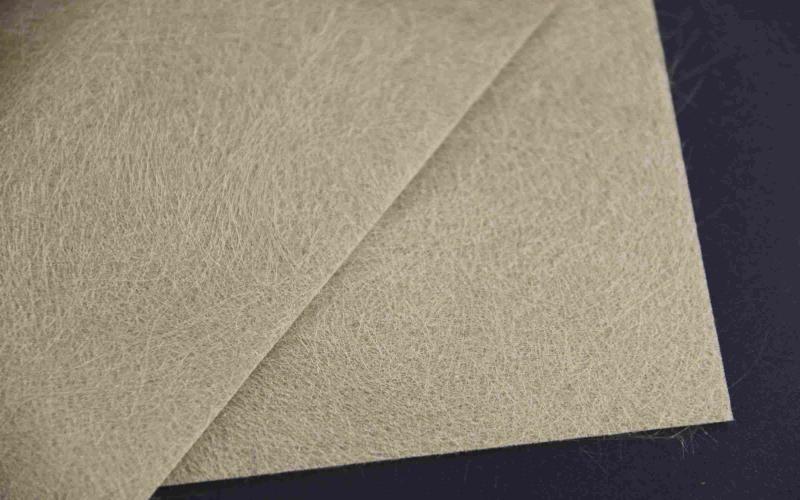
2.4 Consolidation and Drying:
The consolidation method is selected based on product performance requirements: chemical bonding and hot-press consolidation.
2.5 Finishing
This includes hot-pressing, surface treatment (such as impregnation with functional coatings), cutting, and winding to improve mechanical properties, temperature resistance, or specific functions (such as filtration and insulation).
3.Basalt fiber wet-laid nonwoven fabric Process Characteristics
This method achieves highly uniform fiber distribution and controllable pore structure, making it suitable for preparing thin materials; however, it requires advanced dispersion technology and equipment, resulting in slightly higher production costs compared to dry methods.
Related News
Read More >-
![SART50 Fiberglass Roofing Tissue to Reduce Asphalt Membrane Production Scrap]()
SART50 Fiberglass Roofing Tissue to Reduce Asphalt Membrane Production Scrap
We make this Fiberglass Tissue to carry asphalt during continuous hot dipping and lamination runs.The 50g/m² matrix holds roll tension under high temperatures, stops edge tears, and controls binder loss in hot bitumen dip tanks up to 200°C.
-
![The Industrial Value of Polyimide Wet-Laid Nonwovens]()
The Industrial Value of Polyimide Wet-Laid Nonwovens
Polyimide fiber wet-laid nonwoven fabric is the ideal fiber material for making fire-retardant clothing such as protective suits for armored forces, racing suits, and flight suits. It can also be used to manufacture comfortable and warm functional clothing.
-
![Wet-laid nonwovens are rapidly penetrating the high-end application market, driven by their superior performance.]()
Wet-laid nonwovens are rapidly penetrating the high-end application market, driven by their superior performance.
-
![What makes quartz fiber needle-punched felt the new benchmark for thermal insulation materials?]()
What makes quartz fiber needle-punched felt the new benchmark for thermal insulation materials?
With a temperature resistance limit of 1050°C, an ultra-low thermal conductivity of 0.03 W/(m·K), 30% compressibility and resilience, and 99.95% purity, quartz fiber needle-punched felt is sparking a thermal insulation revolution in the photovoltaic and semiconductor sectors.
-
![High-Performance Quartz Fiber Wet-Laid Nonwovens for Extreme Environments]()
High-Performance Quartz Fiber Wet-Laid Nonwovens for Extreme Environments
Quartzel fiber is a homogeneous, non-porous, continuous, and amorphous ultra-high-purity silica glass. An SiO₂ content of no less than 99.95% ensures the material's exceptional purity and chemical stability. Wet-laid Quartz Fiber Nonwoven manufactured from high-purity yarns that have been cut and subsequently processed via a wet-laid process.
-
![Wet-Laid Glass Fiber Thick Felt Boosts Acoustic Material Upgrades]()
Wet-Laid Glass Fiber Thick Felt Boosts Acoustic Material Upgrades
Wet-process glass fiber thick felt is a novel functional material manufactured using an advanced wet-process technique, specifically designed to address the acoustic and thermal challenges inherent in modern architectural and industrial environments.
-
![From Filtration to New Energy: The Application Landscape of Wet-Laid Glass Fiber Nonwovens Continues to Expand]()
From Filtration to New Energy: The Application Landscape of Wet-Laid Glass Fiber Nonwovens Continues to Expand
It is an innovative industrial material produced by processing electronic-grade chopped fiberglass strands using a specialized wet-laid process. This unique manufacturing method endows it with a range of exceptional physical and chemical properties, serving as a critical foundation for high-performance composite materials.
-
![Applications of Wet-Laid PPS Nonwovens Are Expanding Rapidly]()
Applications of Wet-Laid PPS Nonwovens Are Expanding Rapidly
PPS wet-laid nonwovens are manufactured using an advanced wet-laid process that enables precise control over fiber distribution, endowing the material with an exceptionally fine and uniform microstructure—thereby ensuring the filtration precision and physical strength of the finished product.