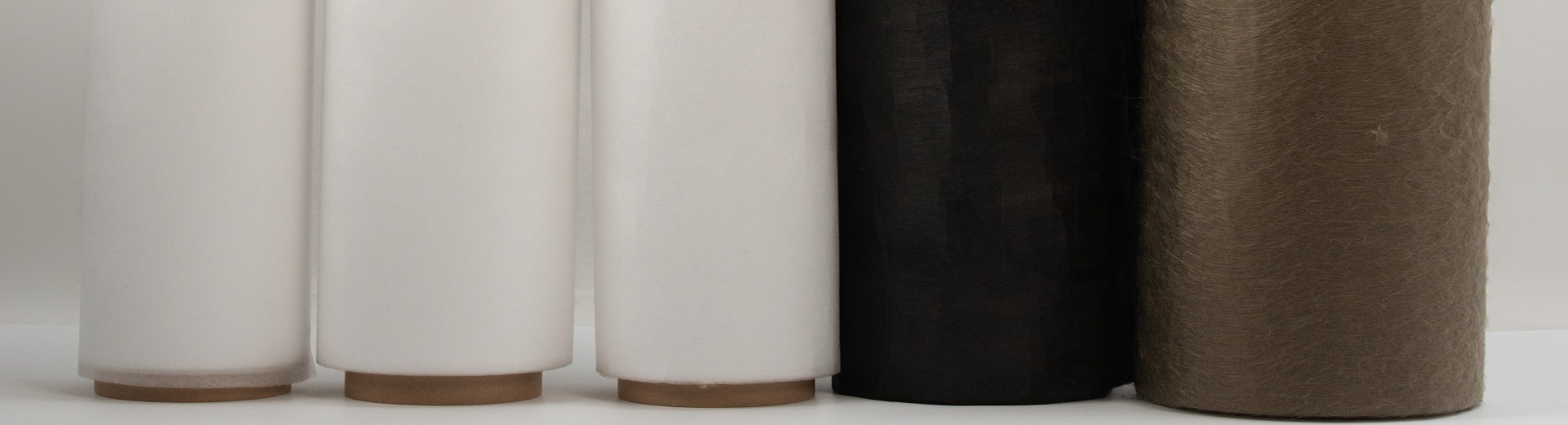
Wet-laid Aramid Fiber Nonwovens Embrace New Growth Opportunities
2026-05-07 10:13
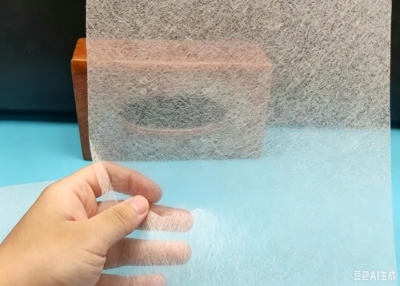
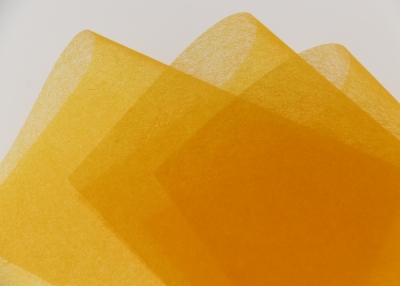
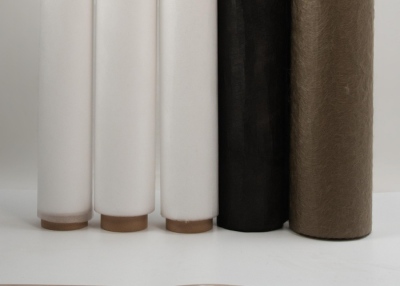
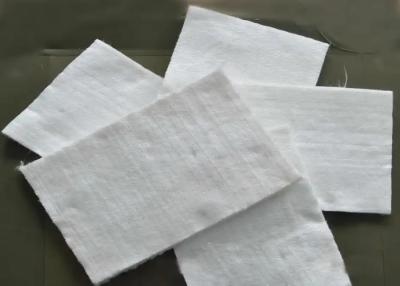
Distinguished by their high-temperature resistance, flame retardancy, high strength, and superior electrical insulation properties, wet-laid aramid fiber nonwoven are emerging as a pivotal product within the high-performance nonwovens sector.
They are now widely utilized across industries such as industrial filtration, new energy vehicles, electrical insulation, and rail transit.
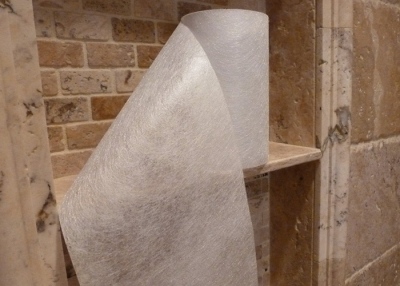
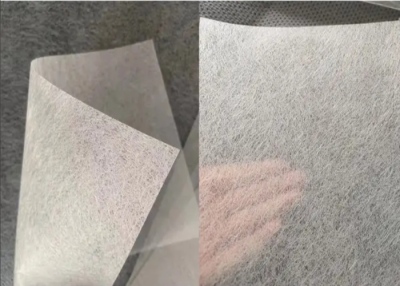
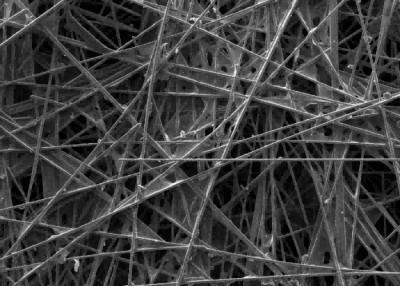
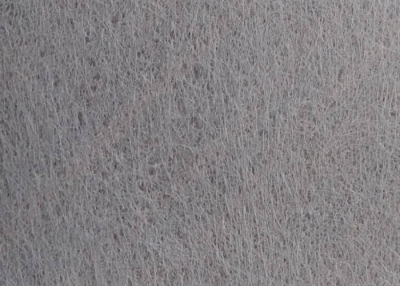
Industry experts note that, compared to traditional nonwoven materials, wet-laid aramid fiber nonwoven employ a wet-laid web-forming process.
This results in more uniform fiber dispersion and a more stable product structure, offering distinct advantages in terms of filtration efficiency, mechanical strength, and heat resistance.
Particularly in high-temperature environments, maintain excellent dimensional stability and mechanical performance, thereby garnering significant attention from high-end manufacturing sectors.
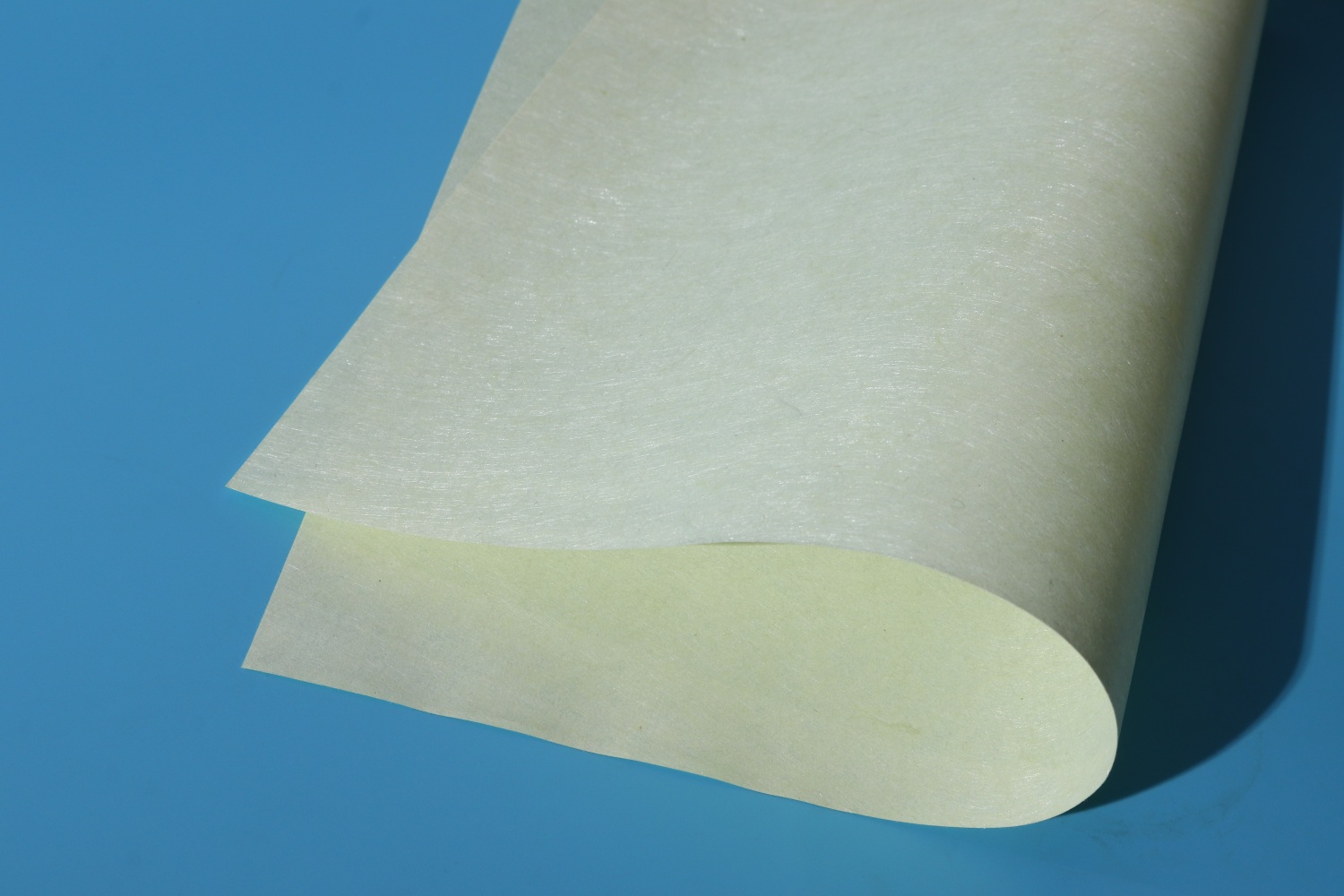
In the new energy vehicle sector, increasingly stringent safety standards for power batteries are driving a surge in demand for wet-laid aramid fiber nonwoven.
Given the material's exceptional heat resistance and flame-retardant properties which effectively delay the propagation of thermal runaway it is now widely deployed in battery thermal insulation layers, motor insulation layers, and battery pack protection systems.
As the new energy vehicle industry continues its rapid expansion, the market outlook for wet-laid aramid fiber nonwoven appears increasingly promising.
Concurrently, the upgrading of the environmental protection industry has opened up new avenues for the development of wet-laid aramid fiber nonwoven.
In high-temperature flue gas filtration applications such as those found in steelworks, cement plants, power stations, and waste incineration facilities traditional filter materials often struggle to meet the demands for extended service life and high efficiency.
In contrast, wet-laid aramid fiber nonwoven characterized by their resistance to high temperatures and corrosion, as well as their high filtration efficiency are gradually becoming a preferred choice within the industrial filtration market.
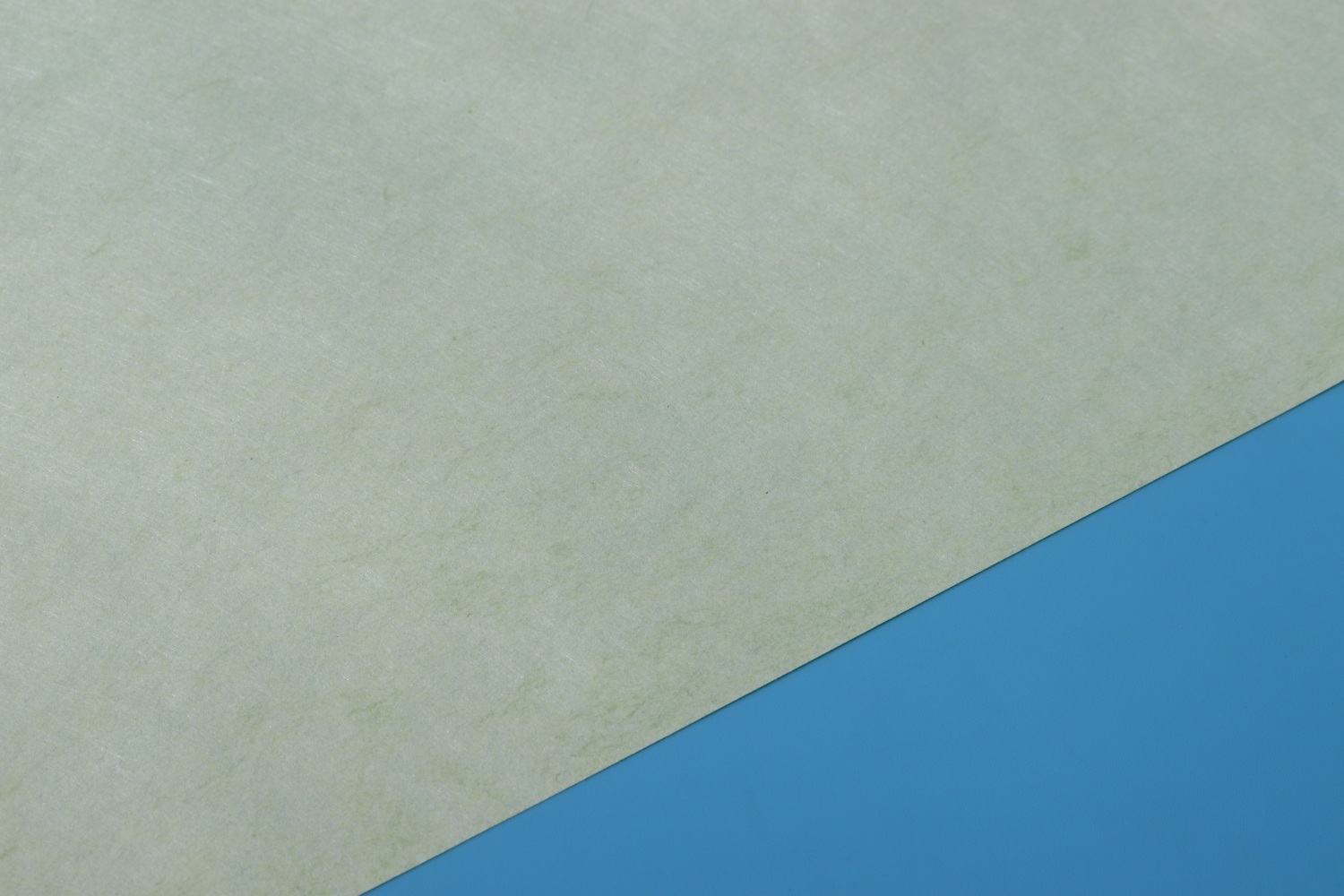
Notably, manufacturers are currently driving continuous technological upgrades in wet-laid nonwoven production.
Through ongoing R&D focused on material compounding and multi-functionalization, wet-laid aramid fiber nonwoven are poised to achieve further breakthroughs in areas such as thermal insulation, anti-static properties, thermal conductivity, and composite reinforcement.
Related News
Read More >-
![30g/m² Fiberglass Tissue for Inner and Outer Surface Treatment of FRP Products]()
30g/m² Fiberglass Tissue for Inner and Outer Surface Treatment of FRP Products
We produce this Fiberglass Surface Tissue to form a resin-rich layer on the inner corrosion-resistant lining and outer surface of FRP tanks, pipes, and pultruded profiles, preventing resin cracking under thermal stress.
-
![SART50 Fiberglass Roofing Tissue to Reduce Asphalt Membrane Production Scrap]()
SART50 Fiberglass Roofing Tissue to Reduce Asphalt Membrane Production Scrap
We make this Fiberglass Tissue to carry asphalt during continuous hot dipping and lamination runs.The 50g/m² matrix holds roll tension under high temperatures, stops edge tears, and controls binder loss in hot bitumen dip tanks up to 200°C.
-
![The Industrial Value of Polyimide Wet-Laid Nonwovens]()
The Industrial Value of Polyimide Wet-Laid Nonwovens
Polyimide fiber wet-laid nonwoven fabric is the ideal fiber material for making fire-retardant clothing such as protective suits for armored forces, racing suits, and flight suits. It can also be used to manufacture comfortable and warm functional clothing.
-
![Wet-laid nonwovens are rapidly penetrating the high-end application market, driven by their superior performance.]()
Wet-laid nonwovens are rapidly penetrating the high-end application market, driven by their superior performance.
-
![What makes quartz fiber needle-punched felt the new benchmark for thermal insulation materials?]()
What makes quartz fiber needle-punched felt the new benchmark for thermal insulation materials?
With a temperature resistance limit of 1050°C, an ultra-low thermal conductivity of 0.03 W/(m·K), 30% compressibility and resilience, and 99.95% purity, quartz fiber needle-punched felt is sparking a thermal insulation revolution in the photovoltaic and semiconductor sectors.
-
![High-Performance Quartz Fiber Wet-Laid Nonwovens for Extreme Environments]()
High-Performance Quartz Fiber Wet-Laid Nonwovens for Extreme Environments
Quartzel fiber is a homogeneous, non-porous, continuous, and amorphous ultra-high-purity silica glass. An SiO₂ content of no less than 99.95% ensures the material's exceptional purity and chemical stability. Wet-laid Quartz Fiber Nonwoven manufactured from high-purity yarns that have been cut and subsequently processed via a wet-laid process.
-
![Wet-Laid Glass Fiber Thick Felt Boosts Acoustic Material Upgrades]()
Wet-Laid Glass Fiber Thick Felt Boosts Acoustic Material Upgrades
Wet-process glass fiber thick felt is a novel functional material manufactured using an advanced wet-process technique, specifically designed to address the acoustic and thermal challenges inherent in modern architectural and industrial environments.
-
![From Filtration to New Energy: The Application Landscape of Wet-Laid Glass Fiber Nonwovens Continues to Expand]()
From Filtration to New Energy: The Application Landscape of Wet-Laid Glass Fiber Nonwovens Continues to Expand
It is an innovative industrial material produced by processing electronic-grade chopped fiberglass strands using a specialized wet-laid process. This unique manufacturing method endows it with a range of exceptional physical and chemical properties, serving as a critical foundation for high-performance composite materials.